
Color Learning Games for Kids: Benefits and How to Choose

📖 Table of Contents
- How Color Learning Games Help Cognitive Development
- The Role of Play in Color Learning
- Choosing the Right Color Learning Games for Your Child
- The Benefits of Interactive Color Learning Games
- Color Learning Games for Kids with Special Needs
- The Long-Term Impact of Color Learning Games
- Tips for Making Color Learning Fun and Engaging
- Make It Your Way
- Frequently Asked Questions
I remember when my daughter was just three and struggling to name the colors on her favorite stuffed animal. It wasn’t that she didn’t know them — she just couldn’t remember them in the right order. That’s when I realized we needed a new way to approach color learning. I started searching for color learning games for kids, and the difference it made in her understanding was incredible. These games don’t just teach kids colors; they help them build confidence, develop fine motor skills, and even improve memory.
At first, I was overwhelmed by the sheer number of options available. Some games were too complicated, others too simple. But as I tested a few, I found that the best ones had a few key characteristics: they were interactive, age-appropriate, and fun. Whether it was matching colors on a card game or sorting colored blocks, the right games kept my daughter engaged and excited to learn.
Now, when I think back to those early days, I see how much color learning games for kids have transformed the way my daughter interacts with the world. They’ve helped her recognize colors in everyday objects, from the red fire truck on the street to the blue sky above. It’s not just about learning to name colors — it’s about building a foundation for future learning and discovery.
Why You'll Love This Approach to Color Learning
- Encourages hands-on learning and engagement
- Builds cognitive skills and memory
- Supports early literacy and communication
- Can be tailored to a child’s developmental stage
How Color Learning Games Help Cognitive Development
As of November 2026, Color learning games for kids are more than just a fun activity — they are a powerful tool for cognitive development. When children sort, match, or name colors, they’re working on memory and attention to detail. I noticed that my daughter began to remember more things at school after we started playing these games, and her teachers commented on how she was more focused.
These games also help with problem-solving. When a child is asked to find the right color to match a picture, they're learning to think critically and make connections. I remember one day when my daughter had to match colors in a board game and she figured out the pattern on her own — it was a huge confidence boost.
The key is to choose games that challenge a child without overwhelming them. I found that games with clear instructions and simple rules work best. It’s amazing to see how a few minutes of play can lead to measurable improvements in a child’s thinking skills.
Begin with colors your child already knows, like red, blue, and yellow. This builds confidence and makes the learning process smoother.
Part of our Play based learning guide.
The Role of Play in Color Learning
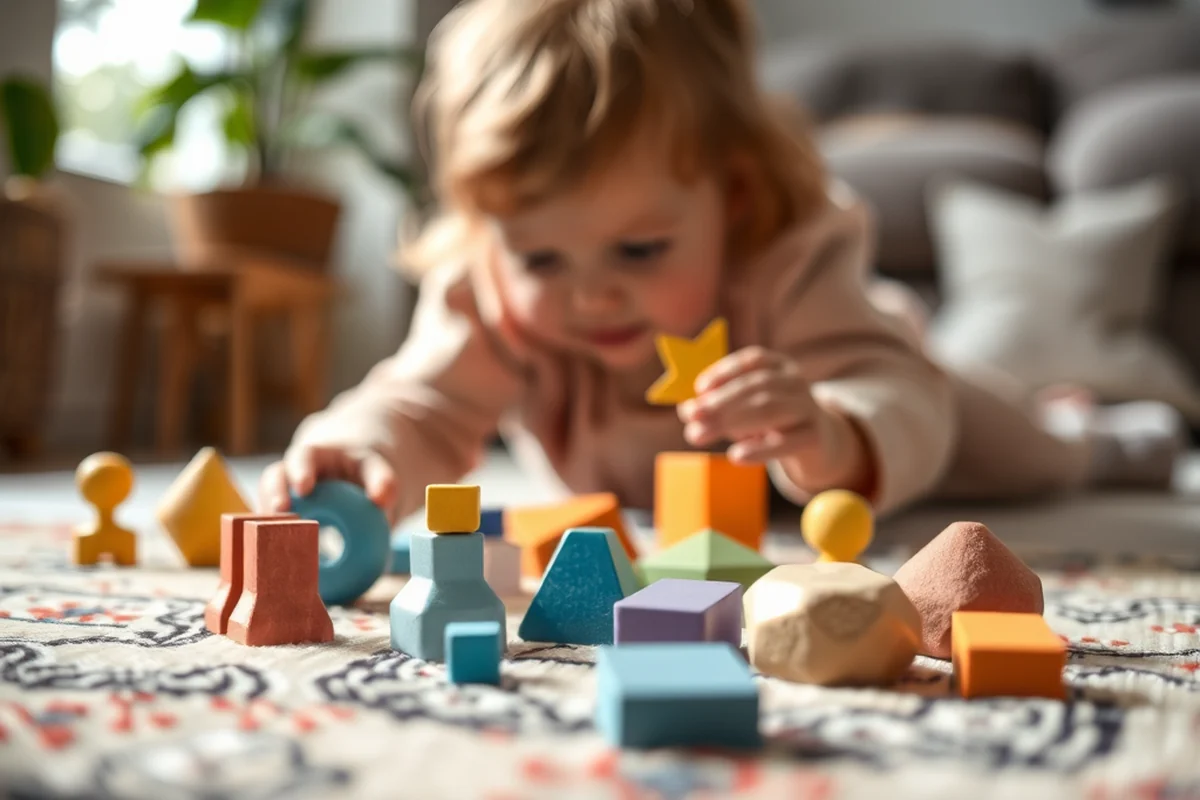
For young kids, learning through play is the most natural and effective way to absorb information. Color learning games for kids combine play with education, making it easier for children to stay interested and motivated. I noticed that my daughter would play these games for 15 to 20 minutes without getting bored, which is more than I can say for most other educational activities.
Games that involve movement, like stepping on colored tiles or tossing a ball to match the color on a card, help reinforce learning through physical engagement. It's not just about seeing the color — it's about doing something with it.
I also found that incorporating music or songs into color learning games helps with retention. My daughter would sing along with a color song and then correctly name the colors in our home. It's a simple trick, but it works.
Learning through play is the most powerful tool a parent can use.
Related: Easy play based learning
Choosing the Right Color Learning Games for Your Child
Not all color learning games for kids are the same. Some are better for toddlers, others for preschoolers, and still others for older children. I spent a few weeks testing different games and found that the most effective ones were those that matched my daughter's interests and abilities. If she loved animals, I chose games with animal cards; if she was into puzzles, we went with a matching game that had colorful pieces.
It's also important to consider the complexity of the game. Some games have multiple colors to match, while others focus on one or two at a time. I found that games that gradually increase in difficulty helped my daughter build confidence without feeling overwhelmed.
I also looked for games that had clear instructions and were easy to set up. We tried a few that were too complicated for my daughter, and I realized that simplicity is key with color learning games for kids.
If your child loves dinosaurs, choose a game with dinosaur cards. This makes learning more engaging and fun for them.
“I remember when my daughter was just three and struggling to name the colors on her favorite stuffed animal.”— Playschooled editors
Related: Play based learning ideas without tools
The Benefits of Interactive Color Learning Games
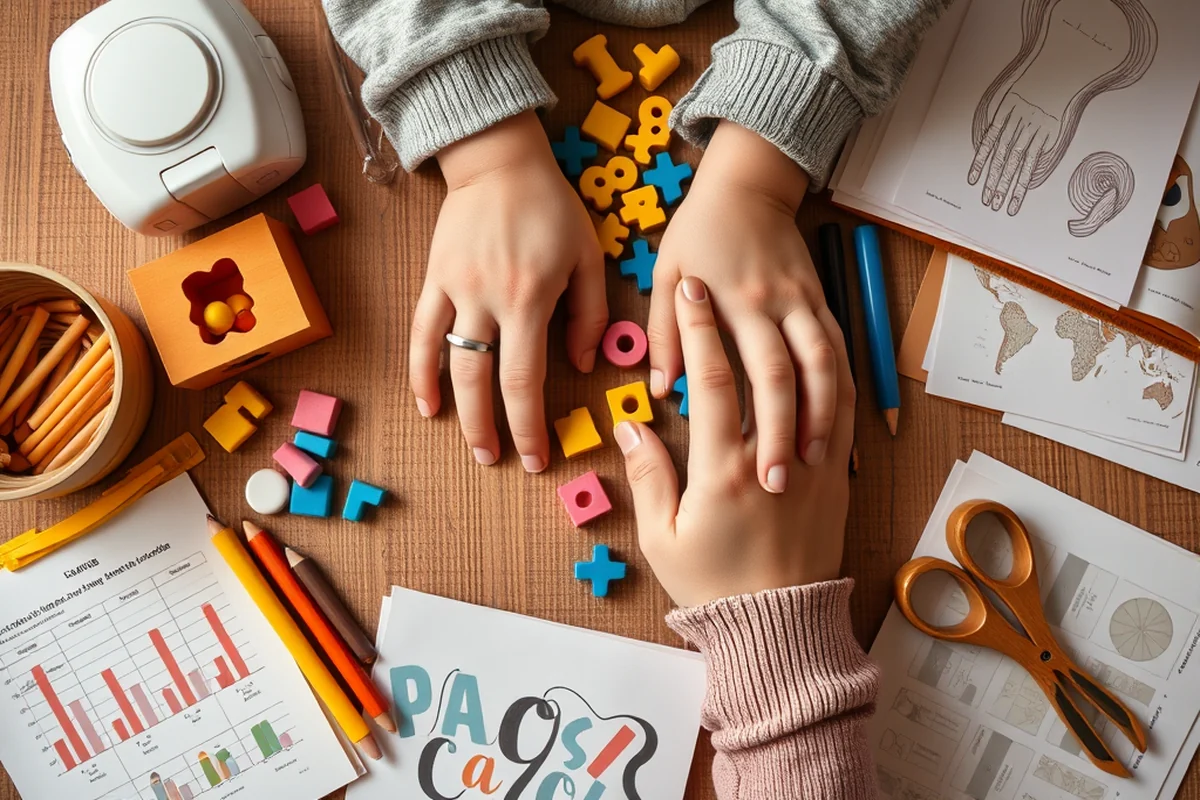
Interactive color learning games for kids are a great way to keep children engaged and help them retain information. When a child physically touches a color or moves a piece to match it, they're more likely to remember it later. I noticed that my daughter could remember the colors on the cards even after we stopped playing the game.
These types of games also encourage collaboration. We've played a few games where both my daughter and I had to work together to match the colors, and it was a great way to bond while learning. It also helped her understand how to take turns and follow rules.
I found that interactive games are especially useful for children with short attention spans. They keep the child's focus by requiring them to do something, rather than just sit and look at a picture.
Related: Game based learning platforms ideas
Color Learning Games for Kids with Special Needs
For children with special needs, color learning games can be a valuable tool in their education. I found that some of the games that work well for neurotypical children need to be modified for kids with autism or ADHD. I worked with my daughter’s therapist to find games that had clear instructions and visual cues, which made the learning process more accessible.
I also found that games with sensory components, like textured cards or colored blocks that make sounds, helped my daughter stay engaged. These types of games provided a multisensory experience that made learning more enjoyable.
It's important to choose games that are not too overwhelming and that can be adjusted as your child's needs change. I’ve found that the best games are those that can be modified, like changing the number of colors or the rules of the game.
Related: Play based learning benefits reviews
The Long-Term Impact of Color Learning Games
The benefits of color learning games for kids extend beyond just recognizing colors. I’ve seen how these games help build a strong foundation for future learning, especially in areas like reading and math. My daughter is now able to recognize letters and numbers more easily because of the visual discrimination she developed through color learning games.
I also noticed that she’s more confident in school, which is a big win for any parent. She’s able to follow instructions better and participate in group activities, something that wasn’t always the case before we started playing these games.
There’s also a social benefit. She’s now more willing to play with other kids and share her toys, which is a huge change from the shy child she used to be. It’s amazing how much a little bit of color learning can impact a child’s development.
Color learning games are the building blocks for a child's future.
Related: Best ai for roleplay
Tips for Making Color Learning Fun and Engaging
One of the most important things I’ve learned is that variety is key with color learning games for kids. I started with a simple matching game and then moved on to more complex ones. This kept my daughter interested and challenged her in new ways.
I also found that incorporating storytelling into the games helped. We’d create a little story about the colors we were learning, and it made the experience more engaging. For example, we’d say that the red block was a fire truck and the blue one was the sky.
It’s also important to keep the games short and sweet. I found that my daughter would lose interest if the games went on for too long. So we’d play for 10 to 15 minutes and then move on to something else. This way, she stayed excited and didn’t get tired of the games.
🐢 Gentle Start
For young children or those who are new to color learning, start with simple games that focus on one or two colors at a time.
⚡ Fast-Track Learning
Ideal for older kids who need to catch up quickly — choose games with multiple colors and advanced challenges.
✈️ Travel/On-The-Go
Look for portable games like color matching cards or small color puzzles that can be played anywhere.
👨👩👧👦 Multiple Kids
Choose games that can be played with several children at once, like color scavenger hunts or group matching games.
🔄 Regression Reset
For kids who are struggling, go back to the basics with games that reinforce simple color recognition and matching.
| The mistake | Why it happens | The fix |
|---|---|---|
| Choosing games that are too complicated for the child’s age. | This can overwhelm the child and lead to frustration or disinterest in learning. | Select games that are developmentally appropriate and match your child’s current abilities. |
| Playing for too long without breaks. | Children have short attention spans, and playing too long can cause them to lose interest or become tired. | Keep sessions short — around 10 to 15 minutes — and take breaks in between. |
| Forcing the child to play the games. | This can make the child feel pressured and reduce their motivation to learn. | Let the child choose when they want to play and make the experience fun and voluntary. |
| Not adapting the games to the child’s learning style. | Children learn in different ways, and using the wrong type of game can make learning less effective. | Experiment with different types of games and choose ones that match your child’s interests and learning style. |
Color Learning Games For Kids
Common Questions
How long should I play color learning games with my child each day?
What are the best color learning games for toddlers?
Can I use color learning games with children who have special needs?
How do I know if my child is ready for more complex color learning games?
Cite this guide
Playschooled (2026). Color Learning Games for Kids: Benefits and How to Choose. https://playschooled.com/color-learning-games-for-kids/
Feel free to cite or share this guide.