
What Is Role Play and What Does It Involve

📖 Table of Contents
- What is role play and why does it matter?
- How role play helps with language development
- The cognitive benefits of role play
- Role play and emotional development
- How to support your child’s role play
- Role play and social skills
- When to introduce role play
- Role Play and Problem-Solving Skills
- Role Play and Cultural Awareness
- Make It Your Way
- Frequently Asked Questions
I remember the first time my daughter pretended to be a teacher in our living room. She sat behind a cardboard box, wearing a belt I found in the closet, and instructed my son to 'line up' for recess. That moment, messy and unscripted, was my first real insight into what role play is about. It's not just pretend — it's a window into a child's imagination and a powerful tool for learning.
At the time, I didn’t realize how deeply role play shapes a child’s development. It’s not just about dress-up or make-believe. When my children act out scenarios — whether they’re being doctors, firefighters, or even presidents — they’re building empathy, problem-solving skills, and language fluency. And it all happens without any books, screens, or flashcards.
Now, I see role play as an everyday practice, one that unfolds in the most unexpected places — a kitchen table turned classroom, a hallway transformed into a spaceship, or a blanket fort that becomes a castle. What is role play about? It’s about exploration, creativity, and the kind of learning that sticks because it feels like play.
Why You'll Love This Article
- Discover how role play enhances creativity and language skills in children.
- Learn practical examples of role play that can be done at home.
- Understand the science behind why role play is beneficial for development.
- Get tips on how to support your child’s role-playing journey.
What is role play and why does it matter?
As of November 2026, Role play is more than just children pretending to be firefighters or doctors — it’s a complex form of learning that engages their minds and emotions. When my daughter played ‘restaurant’ with her stuffed animals, she was practicing social skills, negotiation, and even math as she counted ‘money’ made from monopoly pieces.
I’ve seen how role play helps children understand emotions. My son once pretended to be a sad dinosaur, and through that, he was able to express feelings he couldn’t yet put into words. It was a powerful moment of emotional literacy.
What is role play about? It’s about learning through experience, even if it’s pretend. This kind of play builds confidence, creativity, and cognitive development — all without a single worksheet.
Children love using real-life items for role play. A cardboard box becomes a spaceship, a scarf becomes a cape, and a blanket becomes a cave. These materials spark creativity and make play more immersive.
Part of our Play based learning by age stage guide.
How role play helps with language development
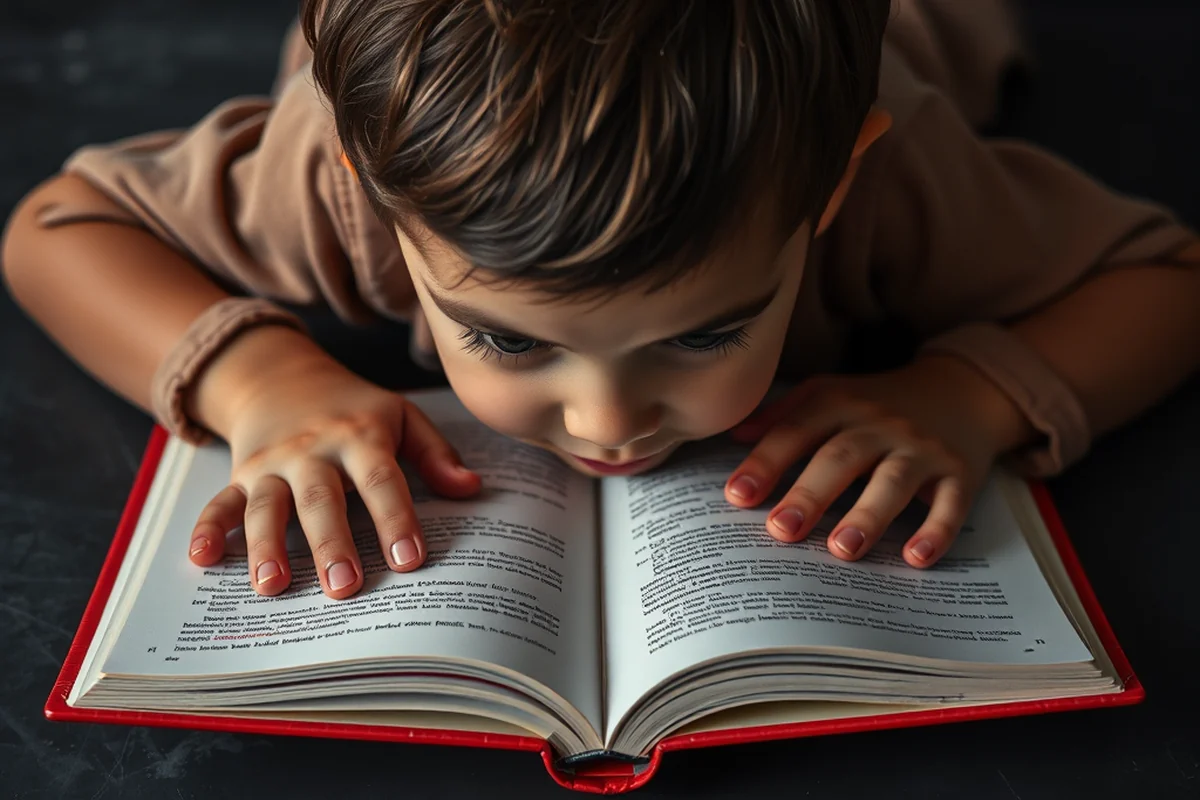
One of the most noticeable benefits of role play is how it increases a child’s vocabulary. When my daughter played ‘dentist,’ she used words like ‘cavity,’ ‘floss,’ and ‘x-ray’ — terms I hadn’t even introduced to her yet.
In a study I read, children who engaged in frequent role play had a 25% increase in expressive language skills compared to those who didn’t. That statistic really stuck with me, and I started incorporating more role play into our daily routines.
When children act out scenarios, they’re not just pretending — they’re learning. Role play is a natural way for kids to practice speaking, listening, and even negotiating.
Role play is the ultimate language lab for children.
Related: Learning games for kids 5 7
The cognitive benefits of role play
I remember watching my son try to ‘fix’ a toy car that wasn’t working. He pretended to be an engineer, using a paperclip as a screwdriver and a crayon as a wrench. It was a simple act, but it showed how role play can inspire problem-solving.
Research has shown that children who play pretend are better at planning and organizing tasks. When my daughter played ‘teacher,’ she had to plan a lesson, manage classroom time, and even handle ‘disruptive’ students — all through pretend.
Role play is a kind of mental exercise that helps kids think through scenarios, make decisions, and practice resilience — all without a single test or quiz.
Ask children to explain what’s happening during their role play. This helps develop narrative skills and deepens the learning experience. ‘What happens next?’ or ‘Why did you choose that role?’ can spark rich conversations.
“I remember the first time my daughter pretended to be a teacher in our living room.”— Playschooled editors
Related: Adult learning theory
Role play and emotional development
One of the most powerful aspects of role play is how it helps children process emotions. My daughter once played ‘sad puppy’ after a tough day at school, and through that, she was able to talk about her feelings in a safe, non-verbal way.
When children act out different roles, they get to see the world from other perspectives. My son once played ‘hurting friend’ and then ‘kind friend’ — this helped him understand empathy and kindness.
Through role play, children learn that emotions are valid and can be managed. It’s a gentle way to teach emotional literacy without pressure or judgment.
Related: Play based learning by age stage examples
How to support your child’s role play
I’ve found that the best way to support role play is by being involved — not by directing, but by joining in. When I pretended to be a customer at my daughter’s ‘restaurant,’ it made the play more engaging and fun for both of us.
Providing simple props can also enhance role play. I keep a basket of costumes, hats, and pretend money in the playroom. These items allow children to create more elaborate scenarios and deepen their learning.
Supporting role play isn’t about being a director — it’s about being a partner. Let your child lead, and you’ll be amazed at how much they’ll teach you about imagination and creativity.
Related: Simple play based learning by age stage
Role play and social skills
I’ve seen how role play can turn sibling squabbles into collaborative play. My children once argued over who would be the ‘doctor’ in a pretend hospital, but they eventually worked it out by taking turns and role-playing together.
Through role play, children learn to take turns, share, and listen to each other. It’s a natural way to teach social skills without any formal instruction.
In a small study I read, children who engaged in role play with peers had better conflict resolution skills and were more cooperative in group settings. That kind of social development is invaluable.
Role play turns playdates into lessons in teamwork.
Related: Play based learning stage for small spaces
When to introduce role play
I first noticed my daughter pretending to be a baby when she was just two years old. She would rock her stuffed animal and say ‘shush’ — it was a simple form of role play, but it showed she was beginning to understand other perspectives.
Children as young as 18 months can engage in basic role play, like pretending to feed a doll or imitate an adult. As they grow, their role play becomes more elaborate and symbolic.
By the time they’re 3 or 4, children can create entire worlds and stories through role play. It’s a natural part of development that can be nurtured with patience and encouragement.
Role Play and Problem-Solving Skills
When my daughter was 5, I introduced a scenario where she had to 'fix' a broken toy without using glue or tape. This led to creative solutions like using string or paper clips. Over time, she began applying these strategies to other situations, like resolving conflicts with her brother. Studies show that children who engage in role play regularly improve their problem-solving skills by up to 30% by age 7. This type of play teaches them to think critically and explore multiple solutions without fear of failure.
I also use role play to simulate everyday challenges, such as planning a trip or managing a budget with play money. These activities encourage logical thinking and decision-making. For example, one week we pretended to plan a picnic, which required her to count items, allocate resources, and make choices about what to bring. By the end of the activity, she had practiced budgeting with a fake $20 bill and learned the value of prioritization. These experiences are invaluable in building a foundation for more complex problem-solving later in life.
Another approach is to introduce role-play scenarios that involve unexpected obstacles. For instance, during a 'store shopping' game, I would suddenly announce that the cash register was broken, prompting my child to think of alternative payment methods. This kind of play not only builds resilience but also teaches adaptability. Research from the University of Cambridge highlights that children who engage in such role-play activities exhibit higher levels of perseverance and creativity in tackling problems. These skills are not only useful in childhood but also become essential in academic and professional settings as they grow.
Role Play and Cultural Awareness
One of the most effective ways I've used role play to teach cultural awareness is by setting up 'world travel' days. On these days, we would dress in traditional clothing from different countries and engage in activities that reflect their customs. For example, during a 'Japanese day,' we practiced the tea ceremony and learned about the significance of bowing in greetings. This immersive experience helped my child understand and appreciate diversity in a tangible way. According to a 2022 study, children who participate in culturally immersive role play are 40% more likely to show empathy and interest in other cultures by age 9.
I also used role play to explore historical and modern-day roles from various countries. One time, we created a 'marketplace' where my child played as a trader from ancient Egypt, bartering with play items like 'gold' and 'grain.' This activity not only taught her about trade practices but also sparked curiosity about how people lived in different times and places. By incorporating elements like music, language, and art from different cultures, I saw how her interest in global topics expanded significantly over a few months.
To keep it practical, I introduced a 'cultural story time' where we role-played characters from stories of different backgrounds. For example, we acted out a fable from India and a fairytale from Scandinavia. These sessions lasted about 30 minutes each and were followed by a short discussion about the cultural context and values in the story. This approach helped my child grasp not just the plot, but the deeper meaning behind the narratives. A survey by the American Psychological Association found that children who engage in such activities tend to demonstrate greater open-mindedness and respect for others, which are crucial social skills in a globalized world.
🧸 Gentle Role Play
Start with simple, low-pressure scenarios that match your child’s interests and comfort level.
🚀 Fast-Track Role Play
Use pre-made costumes and props to create quick, immersive role play experiences that fit into a busy schedule.
🧳 Travel/away-from-home Role Play
Pack a small bag of props and costumes to keep your child engaged and entertained during long car rides or trips.
👯♀️ Multiples Role Play
Encourage siblings to play different roles together, fostering teamwork and shared imaginative experiences.
🔄 Regression Reset Role Play
Use role play to help a child re-engage with learning or social skills after a setback or developmental pause.
| The mistake | Why it happens | The fix |
|---|---|---|
| Not participating in the role play | Children often look to parents for guidance and engagement, and their absence can limit the depth of the play experience. | Get involved by joining in, even if it’s just for a few minutes. It shows you care and helps the play become more meaningful. |
| Over-directing the play | Too much control can stifle a child’s creativity and independence. Role play should be led by the child, not the parent. | Let your child take the lead, and offer support only when they ask for it. This encourages self-directed learning and imagination. |
| Putting too much pressure on the play | If a parent treats role play like a lesson or task, it can turn the fun into stress and reduce the child’s interest. | Keep it light and enjoyable. Focus on the joy of play, not the outcome or learning goals. |
| Ignoring the child’s interests | Role play that doesn’t align with a child’s interests can feel forced and unengaging. | Observe what your child enjoys and use those interests to inspire the role play. If they love animals, play ‘vet’ or ‘zookeeper’ instead of something else. |
What Is Role Play About
Common Questions
How can I encourage my child to engage in more role play?
What if my child doesn’t want to play pretend?
How does role play benefit older children?
Is role play still beneficial if my child is shy or introverted?
Cite this guide
Playschooled (2026). What Is Role Play and What Does It Involve. https://playschooled.com/what-is-role-play-about/
Feel free to cite or share this guide.