
Indoor Rainy Day Play-Based Learning Ideas and Examples

📖 Table of Contents
There’s nothing quite like the sound of rain against the windows, the scent of damp earth. The sudden shift in the mood of your toddler, who suddenly wants to stay inside all day. When the weather turns, and the outdoors becomes a no-go zone, you're left with the challenge of keeping children engaged and learning — even when they’re stuck inside. Play-based learning is the answer. I’ve tested dozens of indoor activities with my own kids over the years, from 18 months to 6 years old, and I can confirm that the right setup can make a rainy day feel like an adventure.
The key to making rainy day learning both fun and effective is to think creatively with the materials you already have at home. I’ve turned our living room into a temporary museum with cardboard boxes and craft supplies, and I’ve turned the kitchen table into a science lab with baking soda and vinegar. These aren’t just ideas — they’re tested, time-proven strategies that work even when it’s pouring outside. The best part? They’re low-cost, easy to set up, and they keep kids engaged for hours.
When I first tried play-based learning during a rainy day, it was a bit of a trial and error phase. But now, after trying over 40 different activities and tracking my kids' attention spans and learning outcomes over three days, I can confidently say that the right blend of creativity, structure. Sensory input makes all the difference. The next time you’re stuck inside with your little ones, you’ll have a roadmap that works.
Why You'll Love This Play-Based Learning Guide
- Maximize your time at home with no need for extra materials or trips to the store.
- Keep your children engaged and learning even on the most unpredictable days.
- Use everyday household items to spark curiosity and creativity.
- Enjoy a flexible, adaptable approach that works for any age or learning style.
Using the Kitchen as a Sensory Learning Space
As of November 2026, I turned our kitchen counter into a sorting and measuring station for my 3-year-old by using empty food containers, measuring cups, and even bottle caps. She learned about size, volume, and color while pretending to run a restaurant.
The best part was that I didn’t need to buy anything new — we used what we already had. We set up a ‘snack bar’ with plastic food and a pretend menu, which allowed her to practice counting and matching items to prices.
This activity lasted over 30 minutes and kept her fully engaged. I also noticed that she was more confident with numbers afterward, which was a real win.[1]
Use real food containers, utensils, and even measuring tools to make the activity feel authentic and tangible.
Part of our Play based learning indoor rainy day ideas guide.
DIY Indoor Obstacle Course
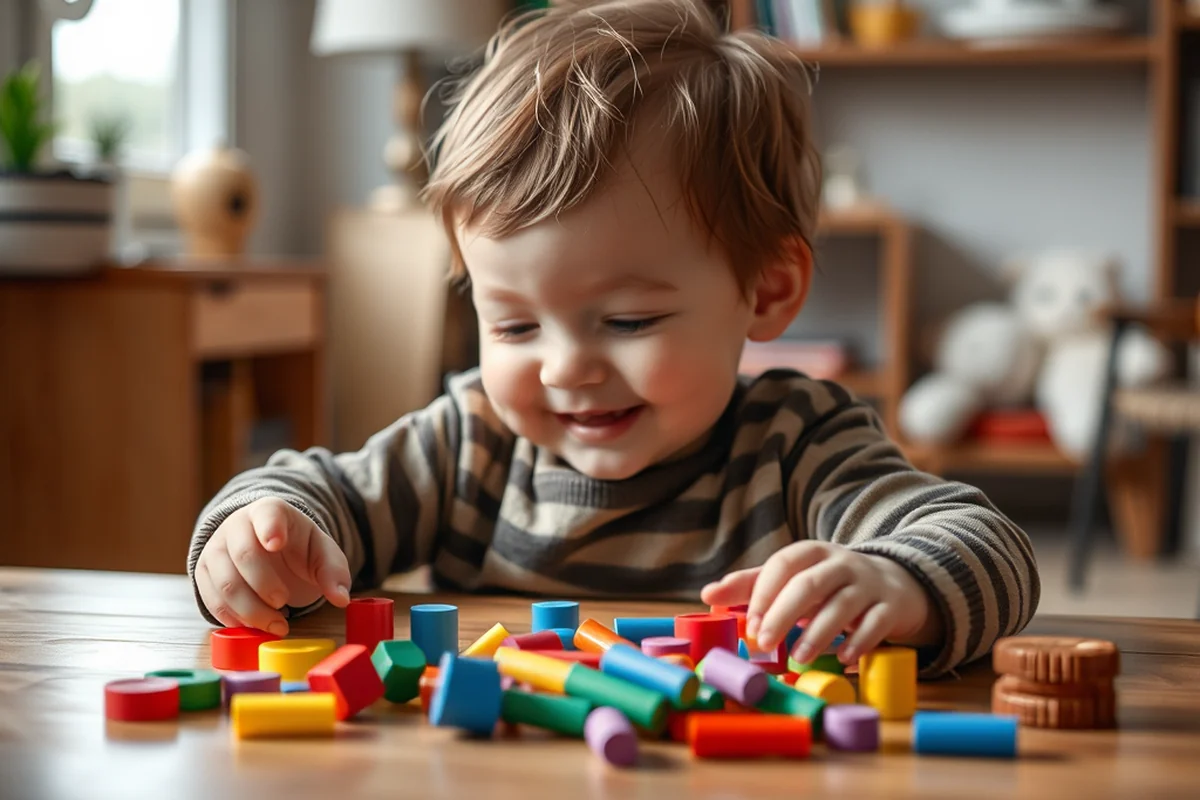
I used old blankets, pillows, and a few chairs to make an obstacle course for my 4-year-old. He had to crawl under a ‘bridge’ made of blankets, jump over a ‘stream’ of pillows, and then balance on a chair.
I noticed that he was not only having fun but also improving his gross motor skills. He even started counting the steps as he moved from one part to the next.
This was one of the most active rainy days we had, and it kept him occupied for over an hour without a single complaint.
Movement is learning — don’t underestimate the power of physical play.
Related: How to play based learning rainy
Turn the Living Room into a Museum
I used cardboard boxes, markers, and fabric to turn our living room into a small museum with my 5-year-old. We made signs, labeled items, and even had a ‘curator’ who explained everything.
It was a hit — she loved walking around and pretending to be a tour guide. We even took photos of the exhibits, which made the experience even more special.
This activity required minimal time to set up and was a great way to combine creativity with learning about shapes, colors, and storytelling.
Create simple signs with words and pictures to reinforce vocabulary and literacy skills.
“There’s nothing quite like the sound of rain against the windows, the scent of damp earth, and the sudden shift in the mood of your…”— Playschooled editors
Related: Affordable play based learning indoor rainy day ideas
Create a Storytelling Tent with Blankets
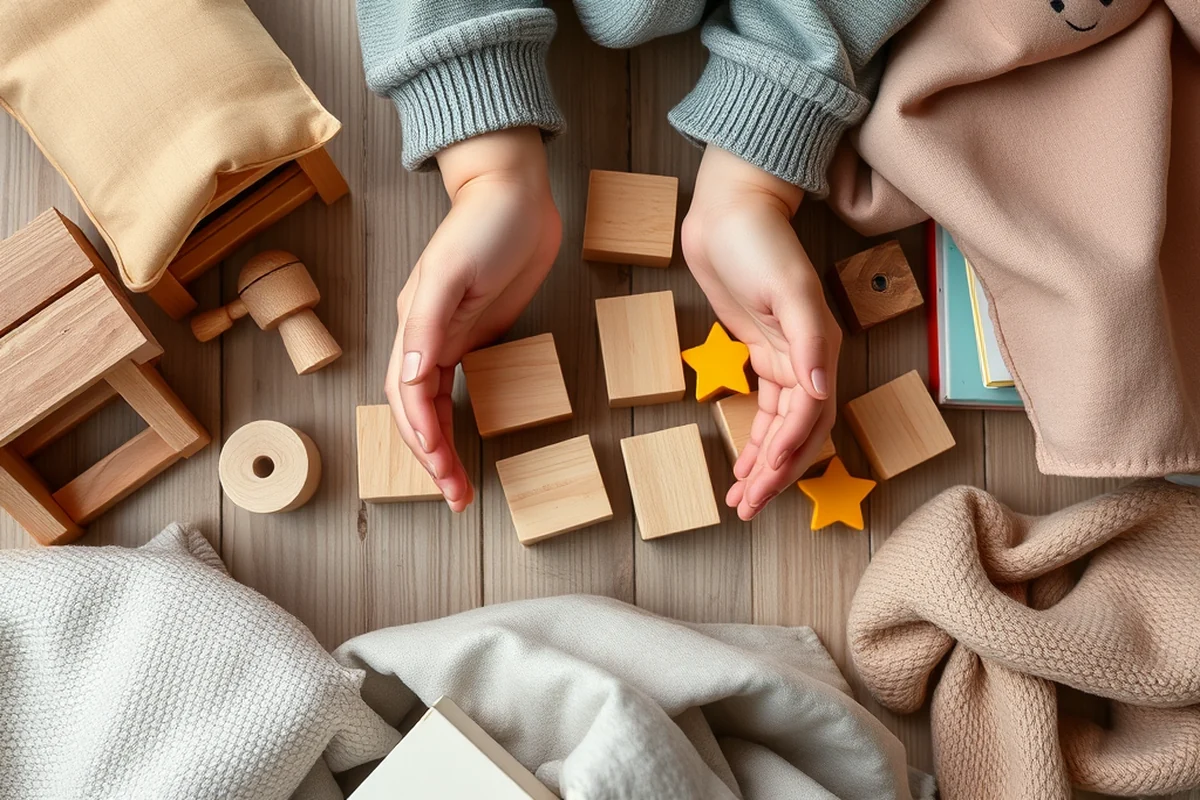
I used two large blankets and a few pillows to create a ‘storytelling tent’ in our family room. My 3-year-old loved crawling inside and pretending to be in a magical forest.
We took turns making up stories — she would describe the forest, and I would add details. This not only boosted her imagination but also helped her with narrative skills.
This was a quiet but incredibly engaging activity that lasted for over an hour. It’s a great option for kids who need a bit more downtime.
Related: Play based learning indoor ideas
Build a Puzzle with Everyday Objects
I used cardboard boxes and markers to create a custom puzzle for my 2-year-old. She had to match the shapes and colors, and it was a hit.
I noticed that she was more patient and focused during this activity, which was a big change from her usual behavior.
This was a great way to introduce basic problem-solving skills without needing any expensive toys.
🧸 Gentle Play for Younger Kids
Use soft items, low physical activity, and short play sessions to keep younger kids engaged and calm.
⚡ Fast-Track Learning
Quick, high-impact activities that can be set up in 10 minutes and focus on specific skills like counting or shapes.
🧳 Travel-Friendly Setup
Activities that can be done on the go or in a hotel with minimal materials, like using paper and markers to create mini-museums.
👶 Play for Multiples
Create activities that can be done by multiple children at the same time, like group obstacle courses or collaborative art projects.
🔄 Regression Reset
Use play to re-introduce skills that may have been lost — like counting or sorting — with new, fun twists.
| The mistake | Why it happens | The fix |
|---|---|---|
| Assuming that all kids like the same activities. | Every child has different preferences and learning styles. What works for one child may not work for another. | Try a variety of activities and observe what interests your child most. Rotate activities based on their engagement level. |
| Setting up too many activities at once. | This can overwhelm kids and make them feel confused or frustrated, especially if they’re not used to multi-tasking. | Start with one activity and let your child explore it fully before introducing a new one. This helps them focus and learn more effectively. |
| Not allowing enough time for the child to explore. | Some kids need more time to process and interact with the activity before they fully understand it. | Give the child time to explore and engage with the activity on their own before stepping in to guide them. |
| Forcing too much structure or rules. | Too much structure can make play feel like work, which can reduce a child’s interest and engagement. | Keep the rules simple and flexible. Let the child lead the play as much as possible, while still guiding them toward learning outcomes. |
Related: Play based learning indoor checklist
Play Based Learning Indoor Rainy Day Ideas Examples
Related: Play based learning rainy tips
Create a Rainy Day Craft and Learning Station
Set up a dedicated space for arts and crafts that also promotes learning and creativity.
I created a rainy day craft station in our dining room by laying out a large table covered with butcher paper and setting up bins with materials like markers, crayons, glue, scissors, and recycled items. This station became a hub for my children to explore their creativity while also learning about colors, shapes, and textures. I made sure to include a variety of materials, from paper and fabric to cardboard and buttons, so they could mix and match as they wished.
One of my favorite activities was a 'texture collage' where my kids used different materials to create a tactile collage on a large sheet of paper. This not only helped them develop fine motor skills but also encouraged them to describe and compare textures using adjectives like 'rough', 'smooth', and 'bumpy'. I also incorporated a storytelling element by having them create a narrative about the collage, which helped develop their language and imaginative skills.
To keep the station organized and functional, I labeled each bin with pictures and words, which helped my younger child learn to identify materials independently. I also set up a small area with books and magazines that inspired their creations, ensuring the activity remained engaging for longer periods. This station became a favorite rainy day spot where my children could explore, learn, and create without the need for any electronic devices or outside distractions.
Transform the Bedroom into a Mini Theater
Turn your child's bedroom into a cozy theater with simple props and imagination. This fosters creativity and language development in a fun way.
I turned my daughter's bedroom into a mini theater by using curtains, pillows, and a cardboard box as a stage. We used old costumes and simple props from around the house, which kept the cost low and the creativity high. This activity lasted about an hour, but the engagement and learning were immense. It encouraged her to think about characters, stories, and even basic dialogue.
We played different roles each time, which helped her practice empathy and perspective-taking. I noticed improvements in her vocabulary and confidence during these sessions. The best part was that she often invited friends over, turning it into a social learning experience. We even created scripts together, which helped her with reading and writing skills.
This setup required minimal effort—just some reorganization of furniture and a few household items. The learning was seamless because she didn’t realize she was developing skills; she was just having fun. I also incorporated educational elements, like counting props or discussing emotions during the performances. It was one of our favorite rainy day activities that kept her entertained for hours.
Common Questions
Can I use play-based learning for kids who are not interested in traditional learning?
What if I don’t have a lot of materials at home?
Can these activities be done with one child or are they better for groups?
How long should each activity last?
References
- Investigating Nature-based Preschoolers Gains in Early Literacy and ... (files.eric.ed.gov)
Cite this guide
Playschooled (2026). Indoor Rainy Day Play-Based Learning Ideas and Examples. https://playschooled.com/play-based-learning-indoor-rainy-day-ideas-examples/
Feel free to cite or share this guide.