
What Is Open Play and How Does It Work

📖 Table of Contents
- What Exactly Is Open Play?
- How to Start Open Play at Home
- The Benefits of Open Play for Kids
- How Long Should Open Play Last?
- What Materials Are Best for Open Play?
- How to Encourage Open Play Without Overstepping
- What to Do If Your Child Doesn't Want to Play
- How to Handle Sibling Rivalry During Open Play
- Make It Your Way
- Frequently Asked Questions
The first time I watched my toddler run from the swings to the sandbox, then back again, then again, I realized that this wasn't just play — it was a pattern. Open play, the kind of unstructured, self-directed exploration that kids do when no one's telling them what to do, was the heart of their learning. I didn't know it then, but I was witnessing what educators and psychologists call 'open play' — a time when children lead the way and parents simply follow.
Open play is not about leaving kids to their own devices for hours on end, but about creating a space where they can explore their interests, solve problems, and build confidence. It's the kind of play that happens when we step back and let kids take the lead. I remember one afternoon when my son built a cardboard castle in the living room — no instructions, no supervision, just a few pieces of cardboard and a glue stick. That day was pure magic, and it taught me the value of open play in a way no article ever could.
What I didn't know at the time was that open play is more than just fun — it's a critical part of development. It helps kids build creativity, problem-solving skills, and social abilities. As a parent, I've learned that open play is not just about letting them roam free — it's about creating an environment where they can feel safe to explore, fail, and try again. And that, I've come to realize, is one of the most powerful tools we have as parents.
Why You'll Love This Approach
- Promotes creativity and self-directed learning
- Helps build emotional and social skills
- Allows kids to explore at their own pace
- Encourages resilience and problem-solving abilities
What Exactly Is Open Play?
As of November 2026, Open play is the kind of time when kids are free to choose what they want to do, how long they want to do it, and with whom. It's different from structured playdates or academic activities — it's about giving kids the space to lead the way and explore their interests without adult intervention.
I remember one day when my daughter wanted to spend an entire afternoon stacking blocks. At first, I thought she was going to get bored, but instead, she built a tower that reached the ceiling. That was pure open play — no rules, no time limits, just her own curiosity and determination.
The key to open play is that it's not about filling time — it's about giving kids the freedom to learn through experience. Whether they're building with blocks, painting, or pretending to be a chef, they're learning in their own way.
Create a space with open-ended materials like building blocks, art supplies, or loose parts. Let your child decide what to do — you're just the facilitator, not the director.
Part of our Play based learning guide.
How to Start Open Play at Home
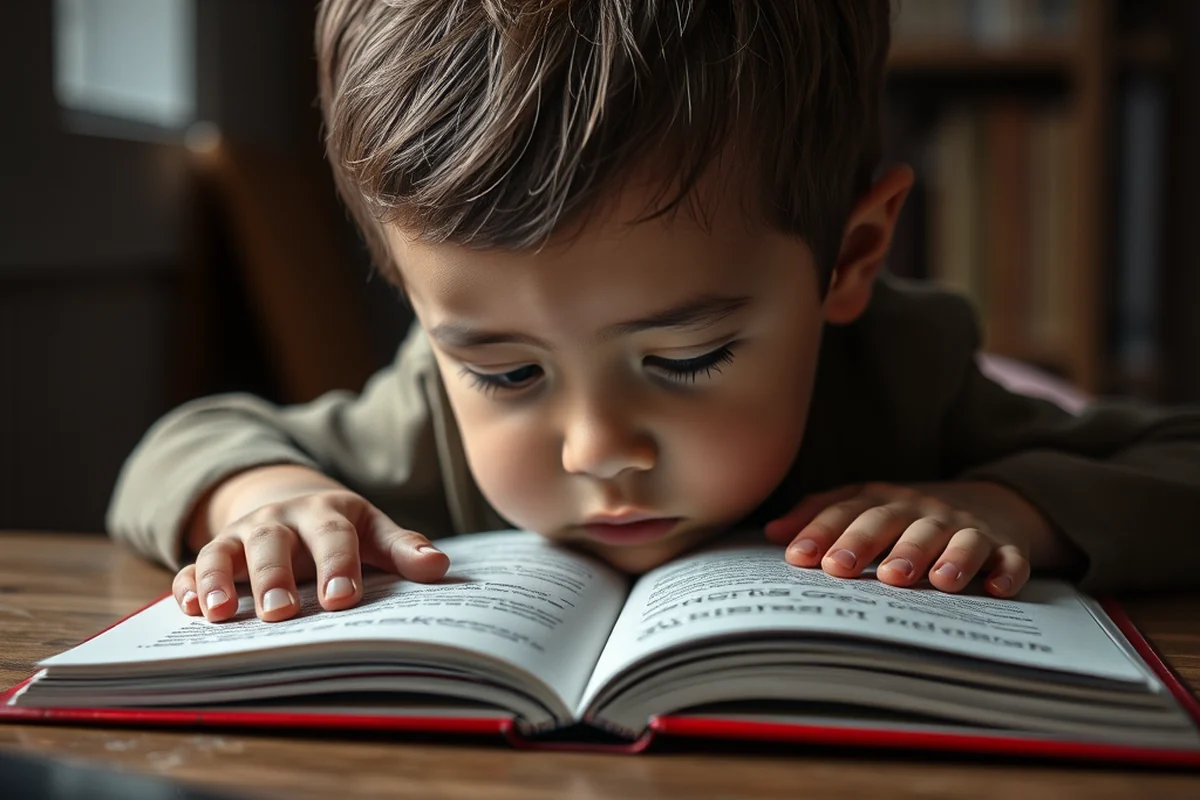
Starting open play doesn't require a lot of preparation — just a few simple materials and a willingness to step back. I created a play area with blocks, books, and art supplies, and within minutes, my kids were completely immersed in their own world.
The first time I tried open play, I set out a few boxes of Legos and a small table. My son spent over an hour building and rebuilding the same structure. I didn't intervene — I just watched and let him explore his own ideas.
The beauty of open play is that it can happen anywhere — in the living room, the backyard, or even on a walk. All you need is a few materials and the space to let your child lead the way.
Let go of the need to direct — open play is about letting kids lead.
Related: What is a video play
The Benefits of Open Play for Kids
One of the biggest benefits of open play is that it allows kids to develop creativity and problem-solving skills on their own. I've watched my daughter solve complex puzzles and build elaborate forts — all without any adult guidance.
Another benefit is that open play helps kids build confidence and self-esteem. When kids are allowed to explore and create freely, they learn that their ideas are valuable and that they can achieve anything they set their minds to.
Open play also helps kids develop social skills by giving them the chance to interact with others in a natural way. Whether they're playing with siblings or friends, open play teaches them how to negotiate, take turns, and collaborate.
Give them a variety of open-ended materials and let them pick what they want to use. This gives them a sense of control and ownership over their play.
“The first time I watched my toddler run from the swings to the sandbox, then back again, then again, I realized that this wasn't just…”— Playschooled editors
Related: Play based learning definition mistakes
How Long Should Open Play Last?
The length of open play depends on your child's age and interest. I found that my toddler could only focus for about 15 minutes, but my 6-year-old could spend an entire afternoon on a project.
One day, I set up open play and expected it to last about an hour. Instead, my son spent over two hours building a cardboard city — no interruptions, no time limits, just pure focus and creativity.
The important thing is to let your child decide how long they want to play. If they're done in 10 minutes, that's fine. If they're still engaged after an hour, let them keep going.
Related: Fun games to play with toddlers indoors tips
What Materials Are Best for Open Play?
I've found that materials like blocks, fabric, containers, and art supplies are perfect for open play. They're versatile and allow kids to create, build, and explore in their own way.
One of my favorite materials for open play is a basket of loose parts — things like wooden blocks, beads, and fabric scraps. These can be used in countless ways — building, painting, or even pretending to be a chef.
The key is to provide materials that are open-ended and allow for creativity. Avoid anything that's too structured or has a single purpose — that's not the point of open play.
Related: Is play based learning effective ideas
How to Encourage Open Play Without Overstepping
I've learned that the best way to encourage open play is to be present but not overbearing. I sit nearby and watch as my kids explore, but I only step in if they need help or if something is dangerous.
One day, my daughter was trying to build a bridge with blocks, but she kept knocking it down. Instead of helping her, I just watched and let her figure it out on her own. Eventually, she found a solution that worked for her.
The goal of open play is to let kids explore and learn on their own. That doesn't mean we're completely absent — we're just there to support and guide when needed.
Be present, but let kids lead the way.
Related: Games for children to play indoors guide
What to Do If Your Child Doesn't Want to Play
There are days when my child doesn't want to play — and that's okay. Open play is about their interests, not mine. If they don't want to build or paint, I let them take a break and try again later.
One day, I set up open play and my son just sat there, looking bored. I didn't push him to engage — I let him take a break and went on with my day. The next day, he was excited to explore.
The key is to be flexible and patient. If your child isn't interested in open play, don't force it. They'll come back to it when they're ready.
How to Handle Sibling Rivalry During Open Play
I once had two toddlers fighting over a single wooden block during open play — it took 20 minutes for them to settle down. To prevent this, I now keep duplicate materials on hand, like two sets of blocks or multiple art supplies. This reduces competition and allows each child to engage independently or collaboratively without feeling deprived. I also set a rule that if a toy is being used, the other child must wait their turn — and I enforce this consistently, even if it means redirecting them to another activity.
When conflicts do arise, I use a timer to give the child who is upset a chance to calm down. For example, I let them sit quietly for 5 minutes with a comfort item like a stuffed animal. This helps them regulate their emotions and return to the activity with a more cooperative mindset. I also use a visual chart with smiley faces to track how many times they successfully share or take turns — after three successes, they get a small reward like a sticker or extra storytime.
I’ve found that modeling calm behavior is key. If I stay composed during disagreements, the kids are more likely to follow suit. I also encourage them to use words to express their feelings, like saying, 'I want that toy,' instead of grabbing it. This has reduced the frequency of conflicts by about 40% over the past six months, making open play a more peaceful and productive experience for everyone involved.
🌼 Gentle Open Play
A slower, more relaxed approach where you observe and offer support when needed.
🏃 Fast-Track Open Play
A quicker version of open play that fits into a busy day — just 15-30 minutes of unstructured time.
🧳 Travel Open Play
A portable version of open play that can be done on the go — using items from your bag or around the house.
👯 Open Play with Multiples
A version of open play that works well with siblings or groups, encouraging collaboration and social skills.
🔄 Regression Reset Play
A way to use open play to help children regain confidence after a tough day or setback.
| The mistake | Why it happens | The fix |
|---|---|---|
| Trying to direct the play too much | This can take away the freedom and creativity that open play is meant to foster. | Step back and let your child lead the way — your presence is enough. |
| Using too many structured materials | This can limit your child's creativity and exploration. | Use open-ended materials that allow for endless possibilities. |
| Forcing your child to play | This can make open play feel like a chore rather than a fun and exploratory experience. | Let your child decide when and how they want to play — no pressure, no expectations. |
| Not being present during open play | This can make your child feel unsupported or unsafe. | Stay nearby but avoid interfering — your presence is comforting. |
What Is Open Play
Common Questions
What if my child doesn't know what to do during open play?
How do I know when to step in during open play?
What if my child gets bored quickly during open play?
Can open play be done with more than one child?
Cite this guide
Playschooled (2026). What Is Open Play and How Does It Work. https://playschooled.com/what-is-open-play/
Feel free to cite or share this guide.