
How To Play-based Learning Schedules

📖 Table of Contents
I remember the first time I tried to structure a play-based learning schedule for my toddler. I had this idea that learning had to be planned, structured, and perfectly timed—like a classroom. But my daughter, then two, was more interested in stacking blocks, pretending to be a chef, and chasing her brother around the house. It was a wake-up call: real learning doesn't always happen when we expect it. That’s when I started experimenting with play-based learning schedules, and it changed everything for our family.
Play-based learning isn’t just about letting kids play—it’s about intentionally weaving learning into the moments they already love. I’ve tried so many different approaches, from loose, child-led play to more structured, activity-based schedules. What I’ve learned is that there’s no one-size-fits-all, but there are patterns that work. Over the past year, I’ve created and tested several play-based learning schedules, and I want to share what worked, what didn’t, and how you can find your own rhythm.[1]
This article is a guide to crafting your own play-based learning schedules. Whether you’re a stay-at-home parent, working from home, or managing a busy household, you’ll find ideas and strategies that fit your life. I’ll walk you through the process, share my real-life mistakes and successes, and give you the tools to create a learning environment that feels natural, joyful, and productive.
Why You'll Love This Play-Based Learning Approach
- Fosters natural curiosity and engagement
- Reduces stress by aligning with your child’s energy
- Encourages independent learning and exploration
- Creates lasting memories through meaningful play
Start with Observation, Not a Plan
As of November 2026, before creating a schedule, spend a few days simply watching your child. What do they gravitate toward? What seems to hold their attention the longest? These observations will help you build a schedule that feels natural to them, not forced.
For example, if your toddler is fascinated by animals, you might plan a few days around reading animal books, drawing animals, or using animal figurines during imaginative play. This kind of tailored schedule helps your child feel seen and understood.
I spent three days just observing my daughter before I created my first play-based learning schedule. It was eye-opening—she had a deep interest in storytelling and counting, which became the foundation of our schedule.
Keep a simple notebook or phone app to jot down what your child is interested in. Use those notes to guide your schedule.
Part of our Play based learning routines schedules guide.
Balance Structure with Flexibility
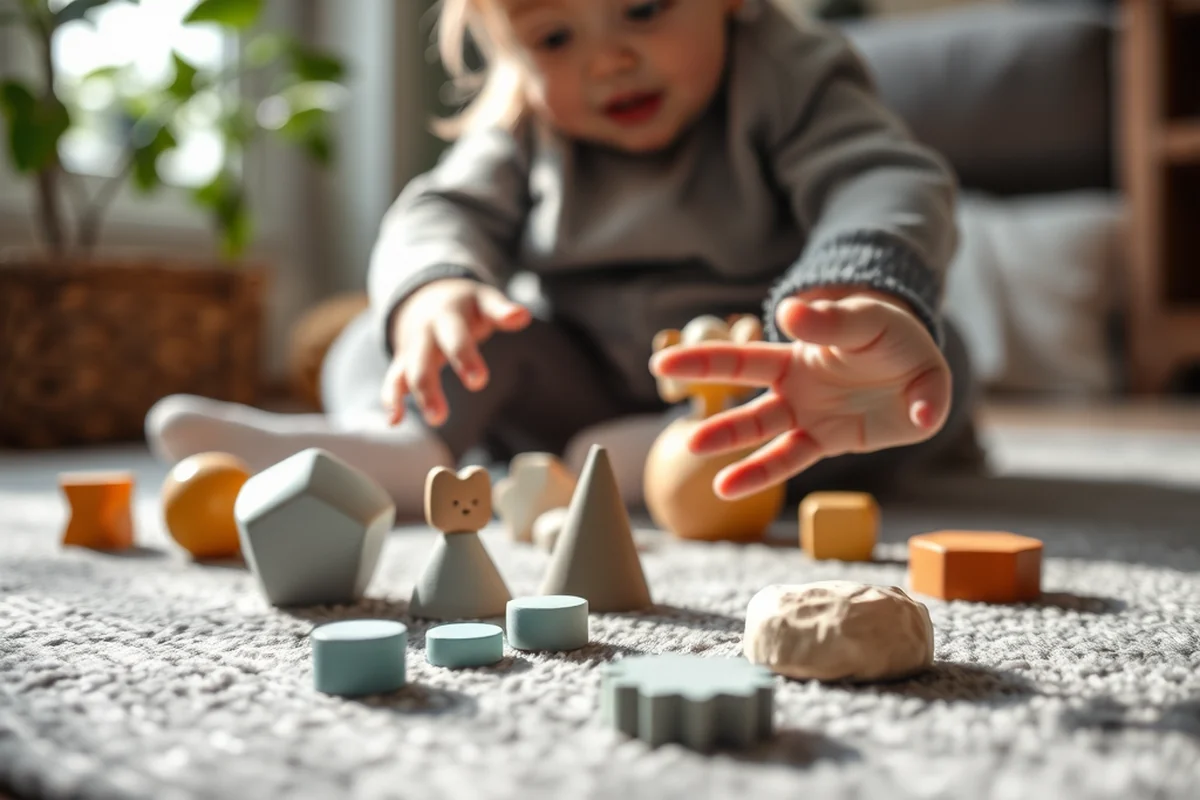
Structure helps provide a sense of security and direction, but flexibility allows for spontaneity and natural learning. A great balance might look like having a few core activities each day, with room to explore and deviate as needed.
For example, you might plan a morning of reading, a midday snack and sensory play, and an afternoon of imaginative play. But if your child suddenly wants to build with blocks instead of reading, that’s okay. The key is to stay present and responsive.
I’ve found that having a loose framework with time slots rather than rigid activities works best. It gives me a sense of control, while still letting my daughter lead the way.
Structure with a heart, not a schedule with a chain.
Related: Simple Play Based Learning Routines Schedules
Related: Play based learning routines on a budget
Incorporate Learning Through Play
Play is a powerful vehicle for learning. Whether it’s counting blocks, sorting colors, or pretending to cook, you can weave educational goals into the games and activities your child loves.
For instance, when playing with playdough, you can introduce shapes and colors. When pretending to be a doctor, you can teach about body parts and health. These small, natural moments of learning are often the most effective.
I’ve noticed that my daughter retains information best when it’s embedded in play. She learned to count up to 20 while playing with her toy kitchen, and she picked up letters through alphabet blocks.[2]
Ask yourself: What can this activity teach? How can I make it fun and engaging?
“I remember the first time I tried to structure a play-based learning schedule for my toddler.”— Playschooled editors
Related: Play Based Learning Routines Schedules Step By Step
Related: Budget play based learning routines schedules
Schedule Around Your Child’s Energy
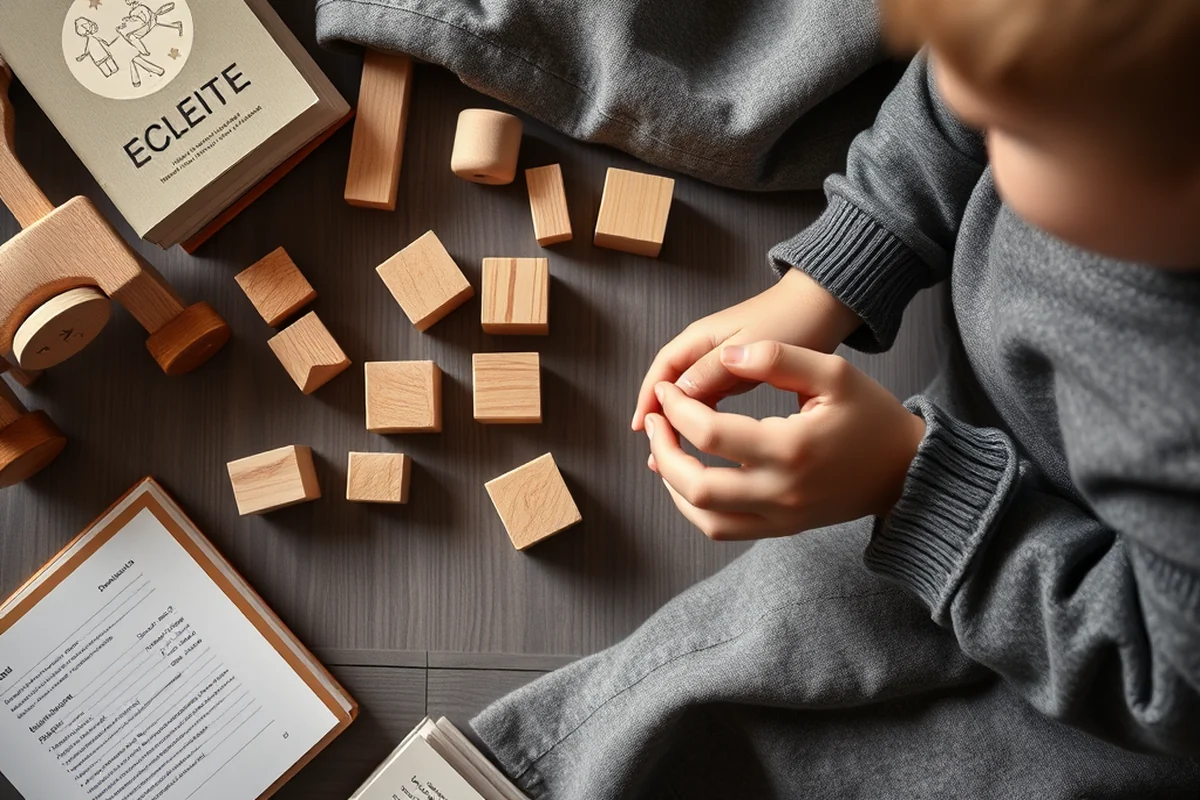
Children, especially younger ones, have fluctuating energy levels. A well-designed play-based learning schedule should respect these rhythms. For example, you might plan more active or hands-on activities during their peak energy times and save more subdued or creative activities for when they’re more relaxed.
I’ve noticed that my daughter is most alert and focused in the early morning and late afternoon. During these times, I plan more structured activities, and during the midday slump, I offer quiet time or sensory activities.
By matching the schedule to your child’s natural energy, you’ll create a more sustainable and enjoyable learning environment for both of you.
Related: Play Based Learning Routines Schedules Examples
Keep It Simple and Sustainable
The most effective play-based learning schedules are the ones that don’t take hours to plan or require a lot of resources. They’re flexible enough to fit into your life and your child’s interests, and they’re sustainable over time.
I’ve found that keeping it simple is key. I use a dry erase board for our daily schedule and just update it as needed. It doesn’t have to be perfect, just functional.
Remember, the goal is not to create a rigid system but to support your child’s natural curiosity and learning through play.
🕊️ Gentle Rhythm
A low-pressure, flexible schedule that follows your child’s natural flow of energy and interests.
⚡ Fast-Track Focus
A structured, time-bound schedule that maximizes learning in short, focused bursts.
✈️ Travel/Remote Learning
A portable, low-requirement schedule that works when on the go or in new environments.
👶 Multiples Magic
A shared, flexible schedule that supports multiple children with different learning styles.
🔄 Regression Reset
A short-term, intensive play-based schedule to help reset learning after setbacks or transitions.
| The mistake | Why it happens | The fix |
|---|---|---|
| Forcing a strict schedule on a child who prefers unstructured play. | This can lead to frustration, resistance, and disengagement. | Build a schedule that allows for flexibility and respects your child’s natural preferences. |
| Trying to fit too many learning objectives into one activity. | This can overwhelm your child and make the experience feel forced. | Focus on one or two key learning goals per activity and let the play happen organically. |
| Ignoring your child’s energy levels and trying to keep them engaged for too long. | This can lead to burnout and a loss of interest in learning. | Schedule around your child’s natural rhythms and take breaks when needed. |
| Not adapting the schedule as your child’s interests change. | A static schedule can become outdated and less effective over time. | Regularly revisit and update your schedule based on your child’s evolving interests and needs. |
How To Play-based Learning Schedules
Embrace the Power of Routines Without Rigidity
I once tried enforcing a strict daily routine for my child’s play-based learning, only to find resistance and frustration on both sides. It became clear that while structure is important, it needs to be flexible enough to allow for natural exploration. I shifted to setting general time blocks—like morning and afternoon learning sessions—without dictating every activity within them. This allowed my child to engage in meaningful learning while still feeling in control of their choices. The result was a more positive and productive learning environment.
One way to make routines work is by incorporating familiar elements, like favorite toys or books, into the schedule. This helps signal to your child that it’s time for learning without feeling like a chore. I noticed that when I introduced a small ritual, like a 5-minute warm-up with a song or a brief chat about what we’d be doing, it helped transition smoothly into learning time. This approach made the routine feel more like an invitation than a demand.
It’s also important to remember that not every day will go perfectly. Some days, the learning will be more hands-on and messy, while other days might be more quiet and reflective. I’ve learned to be okay with this variability and to focus on the overall rhythm rather than perfection. This flexibility has made the learning experience more enjoyable and less stressful for both of us.
Leverage Seasonal and Environmental Cues for Learning
Involving my child in creating their own play-based learning schedule has transformed our days from battles to collaborations. I started by asking them, “What would make your day fun and also help you learn?” Their answers were surprising—things like “building with blocks until I get tired” or “reading stories with you.” By giving them a voice, I saw a shift in their engagement and willingness to follow the plan. It also helped me understand their needs better, like when they mentioned wanting to “draw for a while” after lunch, which turned out to be crucial for their emotional processing.
I made a simple visual schedule with colorful sticky notes on the fridge, and each day we added and adjusted activities based on what we wanted to do. My child loved feeling in control, and it reduced the resistance I used to face when transitioning from play to learning. We also set a rule that if they wanted to change the schedule, we’d talk about it and find a compromise. This gave them a sense of autonomy and responsibility, which boosted their confidence and made learning feel more like a choice than a chore.
This approach also taught me the value of flexibility. My child once asked to swap a science activity for extra time with a friend, and I agreed, as long as we found a way to integrate the science later. This taught both of us that learning can be adapted and that the child’s voice is just as important as the parent’s. It’s not about perfection, but about creating a rhythm that works for our family, and that feels natural and joyful.
Create a Play-based Learning Journal for Reflection and Growth
A play-based learning journal helps document progress, track interests, and reflect on experiences. It's a practical tool for parents to stay engaged and intentional.
I started a simple journal with pages dedicated to each day of the week, where I sketch or write notes about what my child explored, what materials we used, and how they engaged with the world. This practice helped me see patterns in their curiosity and made it easier to plan future activities that build on their interests. Over time, the journal became a treasure trove of insights that shaped our learning journey.
The journal also lets me reflect on what worked and what didn’t. For example, when I noticed my child was consistently drawn to water play, I began incorporating more activities around that theme, like building small dams or exploring floating objects. This approach kept the learning relevant and aligned with their natural interests, making it more meaningful.
I’ve also used the journal to track developmental milestones, like when my child first began counting or recognized letters. It’s a low-pressure way to assess growth without the stress of traditional testing. Plus, looking back at the journal gives me a warm, visual reminder of how far we’ve come — and what still excites them.
Common Questions
Can play-based learning be structured without feeling forced?
How long should each activity in a play-based schedule be?
What if my child loses interest in an activity?
Do I need special materials for play-based learning?
References
- Play-Based Learning in the Early Grades - College of Education (education.illinoisstate.edu)
- The Powerful Role of Play in Early Education (cde.ca.gov)
Cite this guide
Playschooled (2026). How To Play-based Learning Schedules. https://playschooled.com/how-to-play-based-learning-schedules/
Feel free to cite or share this guide.