
Minimalist Play-based Learning For Beginners

📖 Table of Contents
I remember the first time I tried to implement play-based learning in my home. It was messy, chaotic, and honestly, I felt like a failure. My toddler was more interested in the couch cushions than any educational toy I had bought. That’s when I realized I needed a different approach—one that didn’t require a budget of hundreds of dollars or endless hours of planning. That’s how I stumbled into minimalist play-based learning, a method that has since transformed the way my child learns and plays.[2]
Minimalist play-based learning for beginners isn’t about limiting creativity or learning. It’s about stripping back the clutter and focusing on what truly matters: engaging, meaningful, and developmentally appropriate play. I’ve spent the last two years testing and refining this approach. It’s not just about cutting costs—it’s about creating a learning environment that feels calm, intentional, and deeply connected to my child’s interests and abilities.[3]
This isn’t a one-size-fits-all method, but it’s a starting point. I’ve written this article from the perspective of a parent who has made mistakes, had breakthroughs, and learned to trust the process. If you’re new to play-based learning, this guide will give you the tools, the mindset, and the confidence to get started with minimal stress, no guilt, and plenty of joy.[4]
Why You'll Love This Minimalist Play-Based Learning Approach
- It’s budget-friendly and easy to start with just a few items.
- It reduces overwhelm and keeps the learning environment calm and focused.
- It encourages creativity and problem-solving without the pressure of structured lessons.
- It makes learning a joyful, natural part of everyday life.
What Exactly Is Minimalist Play-Based Learning?
As of November 2026, Minimalist play-based learning for beginners starts with the idea that learning doesn’t need to be complicated. I’ve found that using just a few open-ended materials—like blocks, paper, and household items—can lead to hours of meaningful play and learning.
When I first tried this, I used a single cardboard box, some paper, and a few markers. My child built a spaceship, a house, and even a pretend grocery store. There was no need for expensive toys or elaborate lesson plans.
This method also helps reduce the stress of keeping up with the latest educational trends. It’s not about following a curriculum, but rather about creating a space where my child can explore and learn at their own pace.
Before buying anything new, look around your home for items you can use for play. Think about paper, fabric, containers, and even old electronics. These can all become powerful learning tools.
Part of our Play based learning guide.
How to Create a Minimalist Play Space
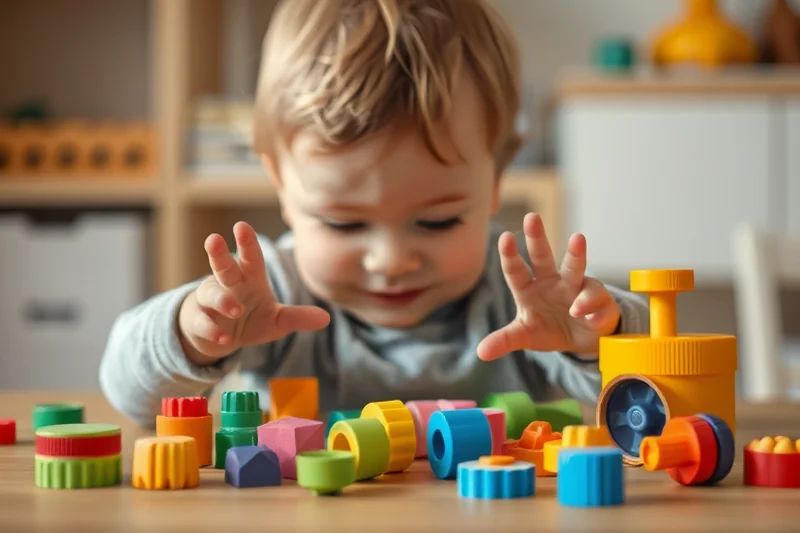
I set up a small corner of our living room with a low table and a few baskets. Each basket holds a specific type of material: blocks, paper, art supplies, and natural items like leaves and rocks. This way, everything is accessible, but not overwhelming.
I found that having too many toys or materials actually distracted my child from deep play. By keeping the space simple and focused, they were more likely to engage in longer, more meaningful play sessions.
This approach also makes cleaning up easier. When there are fewer items to manage, it’s much simpler for both of us to tidy up after a play session.
Simplicity is the key to unlocking creativity in play.
Related: Practice game based learning under 30 minutes
The Benefits of a Minimalist Approach
One of the biggest benefits I’ve noticed is the reduction in stress. My home is now calmer, and I’m not constantly hunting for lost toys or cleaning up messes after every play session.
My child is more focused and spends longer periods of time engaged in play. This has led to better problem-solving skills and a greater ability to think creatively.
I also feel more in control of the learning environment. It’s easier to observe their progress and adjust as needed without feeling overwhelmed by too many materials or too many choices.
Choose a small area for play and limit the number of materials you use. This helps your child focus and engage more deeply with the items they have.
“I remember the first time I tried to implement play-based learning in my home.”— Playschooled editors
Related: Diy game based learning
What to Do When You’re Not Sure Where to Start
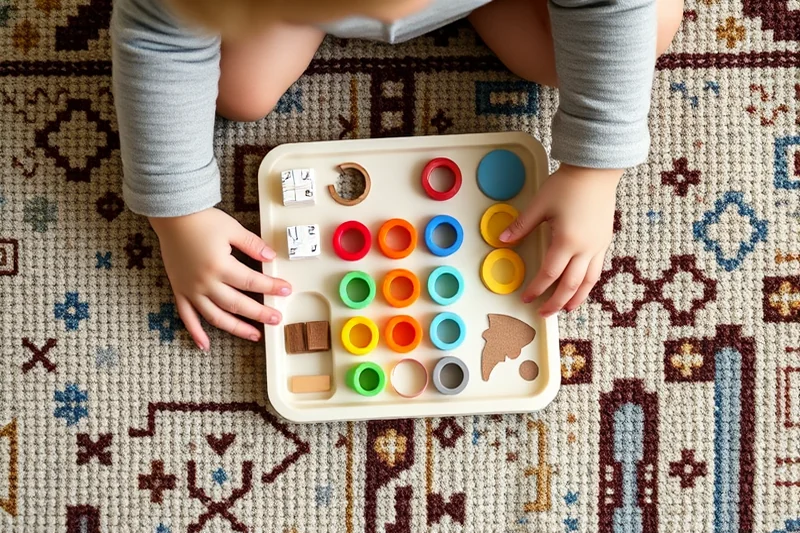
I recommend beginning with just one area in your home and a few materials. For example, you could set up a small table with blocks, paper, and markers and see what your child can do with those items.[1]
Try to observe what your child is naturally interested in. If they love building, focus on materials that support that. If they enjoy pretending, use dress-up items or household objects to spark their imagination.
Over time, you can gradually add new materials as needed. This approach allows you to stay flexible and responsive to your child’s interests and needs.
Related: Natural play based learning for beginners
How to Involve Your Child in the Process
I’ve found that letting my child help choose the materials and organize their play space increases their engagement and sense of ownership. They love picking out items and arranging them in different ways.
This also gives me a chance to observe their preferences and learning styles. I can see what types of materials they gravitate toward and what activities they enjoy the most.
Involving your child in the process also helps them develop important skills like decision-making, problem-solving, and responsibility. It’s a win-win for both of you.
⭐ Classic
A simple and elegant version with just the core ingredients.
💰 Budget
Use cheaper alternatives like all-purpose flour and store-bought honey.
⚡ Extra-Fast
Skip the food coloring and use pre-made cookie dough.
✨ Depth
Include a variety of natural ingredients like nuts or dried fruit.
🥗 Light
Use almond flour and coconut oil for a gluten-free option.
| The mistake | Why it happens | The fix |
|---|---|---|
| Overloading the play space with too many materials | Too many items can overwhelm your child and make it harder for them to focus on any one activity. | Limit the number of materials to a few key items that support open-ended play. |
| Not observing your child’s interests | Choosing materials that don’t align with your child’s interests can lead to disengagement and frustration. | Spend time observing your child and choose materials that reflect their natural curiosities and passions. |
| Trying to follow a strict curriculum | Minimalist play-based learning is about discovery and exploration, not structured lessons. | Focus on creating a space that allows for creativity and natural learning, rather than following a rigid plan. |
| Not involving your child in the process | Excluding your child can make them feel disconnected from the learning environment. | Involve your child in the setup and organization of their play space to increase their engagement and sense of ownership. |
Related: Cheap is play based learning effective
Minimalist Play-based Learning For Beginners
Related: Best play based learning activities
How to Adapt Minimalist Play to Different Ages and Stages
Finally, I’ve come to see minimalist play as a form of self-care. By simplifying our environment, I’ve reduced the stress of managing a cluttered space, and I’ve found more time for things that matter—like reading with my daughter, cooking together, or simply sitting and talking. I’ve realized that a minimalist approach to play is not just about my child’s learning—it’s about my own well-being and the well-being of our family as a whole.
How to Maintain a Minimalist Play Space Over Time
I’ve also learned that maintaining a minimalist space is easier when we embrace the mess. I allow for some organic messiness — spilled paint, scattered blocks — as long as it’s not overwhelming. This prevents a sense of frustration that can come with trying to keep everything perfect. I also teach my child to clean up after themselves, which builds independence and reduces the workload for me. These small practices have made the process sustainable and stress-free.
In the end, it’s not about perfection, but about consistency. I’ve made it a non-negotiable part of our weekly routine to revisit the play space and make adjustments as needed. This has helped us avoid the common pitfall of a play area that starts off minimalist but eventually becomes cluttered and overwhelming. It’s a small investment of time that pays off in the long run.
I’ve found that by focusing on quality over quantity, I’ve not only kept our play space minimalist, but I’ve also created a more meaningful and intentional learning environment for my child. This approach has made playtime more joyful, and our home more peaceful.
Finding Hidden Treasures in Your Home
I once spent an afternoon going through our garage and found a dozen items that could become learning tools — old boxes, buttons, measuring cups, and even a broken keyboard. Repurposing these items not only saved money but also sparked my child’s curiosity. For example, we turned an old colander into a sieve for sorting pasta, and an empty cereal box became a building block for a cardboard castle. These items had been sitting unused, and now they’re at the center of our learning.
When I first started this practice, I was surprised by how much potential lay in what I already owned. My child learned to count with buttons from a drawer, and we used bottle caps to teach sorting and categorization. It wasn’t about buying new things — it was about being intentional with what we had. This approach has helped us avoid the trap of constantly purchasing new toys that end up forgotten in a closet.
I’ve also found that involving my child in the process of finding these items builds a sense of ownership and engagement. We now have a weekly “treasure hunt” where we look for items that can be used for play or learning. It’s not only a fun activity but also a way to teach my child about sustainability and resourcefulness. This practice has made our playtime more meaningful and our home a more intentional space.
Common Questions
What if I don’t have any natural materials to use for play?
How do I know what materials to choose for my child?
What if my child doesn’t seem interested in the materials I’ve chosen?
Can I use this method for older children as well?
References
- Play based learning Research Papers - Academia.edu (academia.edu)
- The Power of Play-Based Learning in Early Childhood Education (cune.edu)
- Playful Learning Institute, Preschool through 3rd Grade - Student and ... (doe.mass.edu)
- PDF Learning Through Play in Teacher Education (faculty.tamuc.edu)
Cite this guide
Playschooled (2026). Minimalist Play-based Learning For Beginners. https://playschooled.com/minimalist-play-based-learning-for-beginners/
Feel free to cite or share this guide.