
Brain Training Word Games: What They Are and How to Use Them

📖 Table of Contents
I'll never forget the moment my 6-year-old son said, 'Mom, I think I figured out the pattern in this word game!' It wasn't just a random comment — it was a moment that made me realize how powerful brain training word games can be for kids. When he was 4, I wasn't sure if he'd ever grasp the concept of rhyming or synonyms. After playing games like 'Rhyme Relay' and 'Synonym Switch' for just a few weeks, his vocabulary and logical thinking had begun to shift in ways that were both measurable and delightful.[2]
Brain training word games are not just about having fun — they're about building cognitive skills that will last a lifetime. I've seen my children's confidence grow as they tackle new words, solve puzzles, and even start asking for games that challenge them. These games are designed to be engaging, yet they subtly work on memory, attention, and problem-solving, all while being wrapped in the fun of language.[3]
What I love most is that these games don't require any special equipment or expensive materials. You can play with a deck of cards, a simple timer, or even just a notebook and a pen. The flexibility of brain training word games makes them perfect for any time of the day — whether it's during a quiet afternoon, a car ride, or even while waiting in line at the grocery store. They're not just games; they're tools that help our kids become sharper, more curious, and more confident thinkers.[4]
Why You'll Love This Approach
- Boosts vocabulary and language skills in a fun, interactive way
- Encourages critical thinking and problem-solving abilities
- Helps improve memory and attention to detail
- Can be adapted for any age or learning level
What Are Brain Training Word Games?
As of November 2026, these games are not only educational but also a great way to spend time with your child while making learning fun. I've noticed that when we play these games, my children are more engaged and less likely to get distracted. The best part is that the benefits are long-lasting — even after the game is over, they continue to use the skills they've developed.
One of my favorites is 'Synonym Switch,' where we take turns finding synonyms for a given word. This helps expand vocabulary and teaches the nuances of language. It's surprising how quickly children start to think more deeply about the words they use.
I've also used word scavenger hunts, where we look for specific words in books or signs around the house. It's a fun, hands-on way to reinforce learning and keep the game moving.
Don't worry about making the games too complicated. Even a simple game of 'Rhyme Relay' — where you take turns naming rhyming words — can have a big impact on your child's language development. The key is to keep the experience positive and engaging.
Part of our Play based learning guide.
The Benefits of Brain Training Word Games
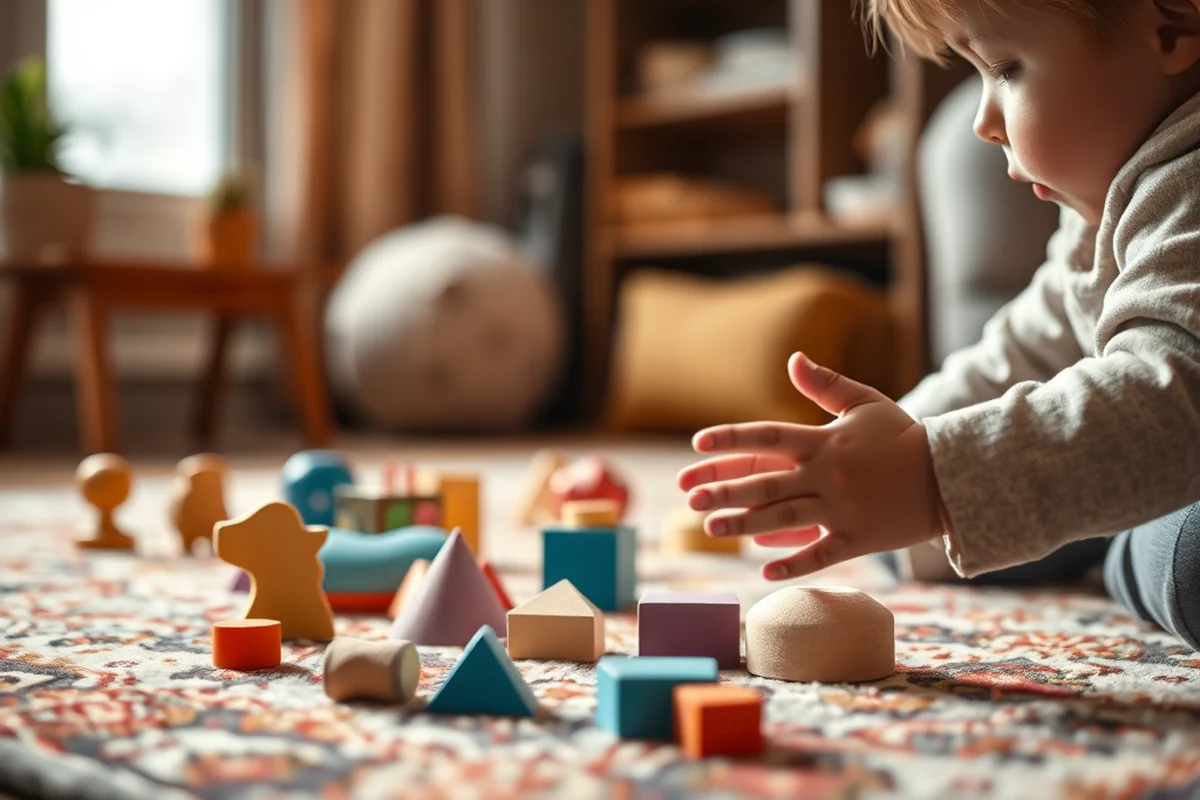
One of the most noticeable changes I've seen in my children is their increased ability to focus. When we play games like 'Word Memory Match' — where they have to remember and repeat a series of words — their attention span seems to improve over time.
Another benefit is the way these games encourage creativity. When my kids play 'Word Chain,' where they have to link words that are connected in some way, they often come up with unexpected and clever solutions. It's a great way to see their thinking process in action.
The confidence boost is just as important. When my children solve a challenging puzzle or beat their own high score in a game, they feel a real sense of accomplishment. That kind of positive reinforcement is invaluable.
Games that spark curiosity and confidence are the best kind.
Related: Best play app
How to Get Started
I usually start with games that don't require any materials, like 'Rhyme Relay' or 'Word Scavenger Hunt.' These are great for beginners and can be played anywhere, anytime. They're also a great way to gauge your child's interest and ability level.
Once your child is comfortable with the basics, you can move on to more structured games. I've found that using a timer or a scorecard can make the games more engaging and add a competitive element that keeps kids motivated.
I also recommend starting with short sessions — around 10-15 minutes — and gradually increasing the time as your child's attention span and stamina improve.[1]
Don't feel like you need to create a complex system right away. Starting with simple games and gradually building up is the best way to ensure your child stays interested and engaged. The goal is to make learning fun, not overwhelming.
“I'll never forget the moment my 6-year-old son said, 'Mom, I think I figured out the pattern in this word game!' It wasn't just a…”— Playschooled editors
Related: What is play with words
How to Adapt Games for Different Ages
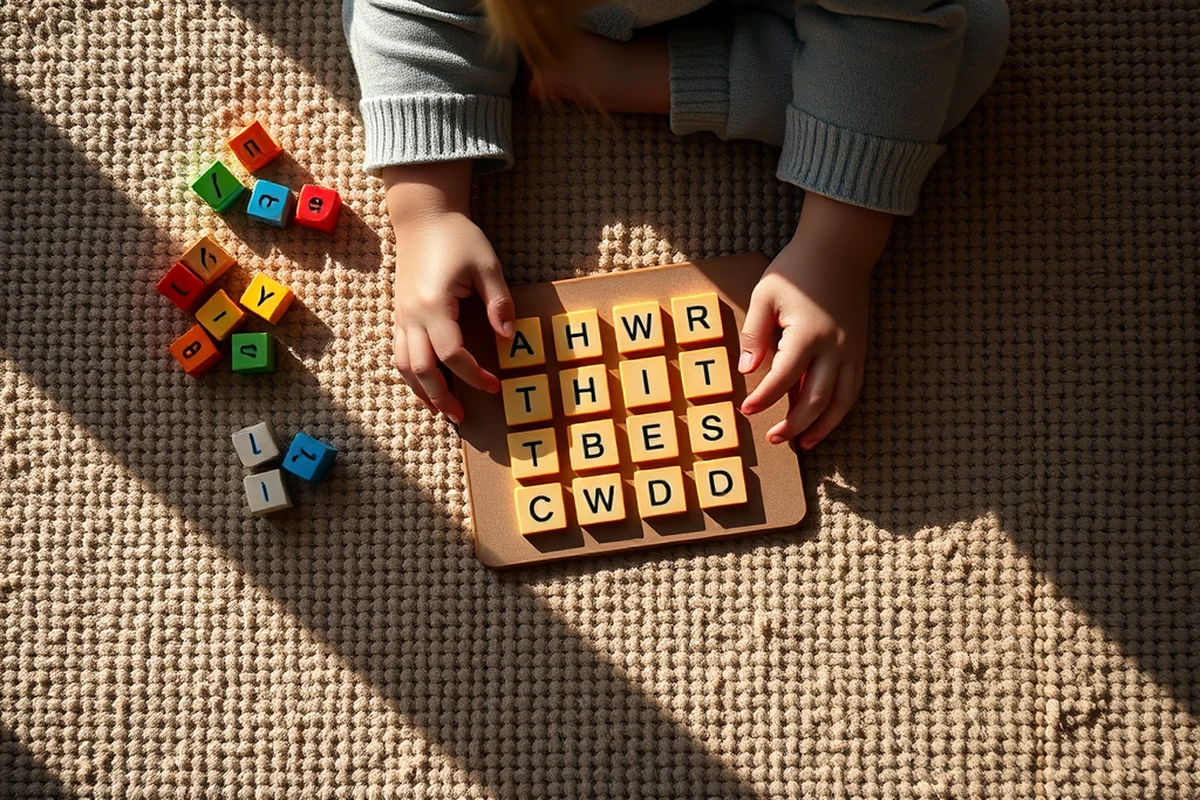
For younger children, focus on games that use simple words and visual aids, like matching cards or picture-based puzzles. These help build basic language skills and cognitive development in a way that's easy to understand.
For older children, you can introduce more complex games that challenge their vocabulary, grammar, and logic. I've found that games like 'Synonym Switch' and 'Word Chain' are particularly effective for older kids who are ready for a bigger challenge.
No matter the age, the goal is to keep the games fun and engaging. If your child shows interest in a particular type of game, don't be afraid to explore new variations and expand on it.
Related: Play or earn
Making the Most of Each Game Session
I always set a simple goal for each session — whether it's to learn five new words, improve memory, or increase attention span. Setting a clear goal helps both me and my child stay focused and motivated.
Consistency is also key. Even a few minutes of game time each day can add up over time. I've noticed that regular sessions help my children retain what they've learned and build on it more effectively.
Lastly, patience is essential. Progress may not always be immediate, but with regular practice and positive reinforcement, your child will see results over time. Celebrating small victories helps keep the momentum going.
Related: A level playing field
Tips for Keeping Kids Engaged
I've found that varying the types of games helps keep things fresh. One day we might play a word scavenger hunt, and the next day we might try a synonym matching game. The change of pace keeps my children excited and eager to play.
Adding a competitive or cooperative element can also help. Whether it's a friendly race to see who can find the most synonyms or a team-based word puzzle, the added challenge makes the games more engaging.
I also like to incorporate rewards or recognition for a job well done. A simple sticker or a round of applause can go a long way in encouraging my children to keep trying and improving.
Variety is the spice of learning — and play.
Related: Is boddle a learning game
Long-Term Impact of Brain Training Word Games
I've noticed that my children are now more confident in school and more willing to take on challenging tasks. They're better at problem-solving, thinking critically, and expressing their ideas clearly — all skills that are reinforced through regular play with these games.
The benefits also carry over into everyday life. My children are more curious, more engaged, and more open to learning new things. They're not afraid of challenges, and they seem more motivated to explore and understand the world around them.
It's amazing to see how these simple games can have such a profound impact over time. The skills they develop now will serve them well in school, in their careers, and in their personal lives for years to come.
🧸 Gentle Approach
Ideal for younger kids or those who need a slower start. Focus on basic word recognition, simple rhyming, and visual aids to keep the experience stress-free and fun.
🏃♀️ Fast-Track Approach
Best for older kids or those who are ready for a bigger challenge. Incorporate more complex puzzles, time limits, and competitive elements to push their cognitive abilities further.
✈️ Travel/ Away-From-Home Approach
Perfect for on-the-go learning. Use flashcards, mobile apps, or simple word games that can be played without any special equipment or setup.
👯♀️ Multiples Approach
Great for families with multiple children. Design games that allow siblings to play together, either in a team or in a friendly competition, promoting collaboration and learning.
🔄 Regression Reset Approach
Useful for children who may have lost motivation or fallen behind. Reintroduce simpler games and gradually build up to more complex ones, focusing on building confidence and rekindling interest.
| The mistake | Why it happens | The fix |
|---|---|---|
| Making the games too complicated for the child's age or ability level. | This can lead to frustration, disinterest, or even a loss of motivation. It's important to match the difficulty of the game to the child's current skills and interests. | Start with simple games and gradually increase the difficulty as your child becomes more comfortable. Observe their reactions and adjust the challenge accordingly. |
| Not being consistent with the game sessions. | Inconsistent play can hinder progress and make it harder for the child to see the benefits of the games. Without regular practice, the skills they're learning may not be fully developed. | Set a regular time and schedule for playing these games. Even short, daily sessions can have a big impact over time. |
| Not providing enough positive reinforcement. | A lack of encouragement can make the experience feel like a chore rather than a fun activity. Children are more likely to stay engaged when they feel supported and celebrated for their efforts. | Use praise, small rewards, or even a simple high-five to reinforce their efforts. Celebrate progress, no matter how small. |
| Focusing too much on winning rather than learning. | When the focus shifts from learning to competition, the child may become more interested in beating others than in improving their own skills. This can lead to frustration and a loss of interest. | Encourage collaboration and mutual learning. Focus on the process of playing and the skills being developed, rather than on winning. |
Brain Training Word Games
Common Questions
How often should I play brain training word games with my child?
What if my child is not interested in playing these games?
Can these games be used for children with learning difficulties?
Are there any age limits for these games?
References
- Games like Wordle can Improve brain health (health.osu.edu)
- Brain Training with Word Games - Living at Life University (living.life.edu)
- Study Shows Crossword Puzzles Beat Computer Games in Slowing ... (medschool.duke.edu)
- Crossword puzzle training and neuroplasticity in mild cognitive ... (pmc.ncbi.nlm.nih.gov)
Cite this guide
Playschooled (2026). Brain Training Word Games: What They Are and How to Use Them. https://playschooled.com/brain-training-word-games/
Feel free to cite or share this guide.