
Children's Learning Games

📖 Table of Contents
- How Learning Games Help Kids Grow
- The Science Behind Learning Through Play
- Choosing the Right Learning Game for Your Child
- How to Integrate Learning Games into Daily Life
- The Long-Term Benefits of Learning Through Play
- Why Parents Should Embrace Learning Games
- How to Get the Most Out of Learning Games
- Make It Your Way
- Frequently Asked Questions
When my daughter turned four, I found myself in a panic — not about school, but about how to make learning fun and engaging. I had tried everything from flashcards to educational TV, but nothing stuck. Then, one day, I stumbled upon a set of simple, colorful learning games that transformed our evenings into moments of joy and discovery. These weren't just toys; they were bridges to understanding that didn't feel like work. I call them 'children's learning games' — and they changed our whole family dynamic.
What I didn't realize at first was how powerful these games could be. I remember watching my daughter count out blocks one night and then, without prompting, begin to add and subtract them. It was like a lightbulb had gone off in her head, and I knew I had found something special. Learning games don't just teach — they inspire curiosity, spark creativity, and help kids grasp complex concepts in a way that feels natural and effortless.
What I've learned since is that learning games are not a luxury — they're a vital tool in a child's development. Whether it's building a tower, solving a puzzle, or memorizing the alphabet through play, these games help kids learn at their own pace, in a way that feels safe and fun. I've seen my child grow more confident, more patient, and more eager to explore the world around her, all through the simple act of playing with purpose.
Why You'll Love This Approach
- Boosts cognitive and motor skills through hands-on play
- Encourages problem-solving and critical thinking
- Fosters a love of learning that lasts a lifetime
- Creates quality bonding time with your child
How Learning Games Help Kids Grow
As of November 2026, I remember the first time I introduced my daughter to a matching game — it was a simple set of picture cards, and within minutes, she was sorting them by color, shape, and object. It wasn't long before she was asking questions like 'What's this?' and 'Can I do this again?' Those moments were small, but they were huge in terms of her development. I've since realized that games like these help with memory, attention, and even emotional regulation.
Over time, I've noticed that games that involve counting or sorting help with numerical literacy. I once used a matching game with numbers and shapes, and within a week, my daughter was counting up to 10 on her own. It was incredible to see that kind of progress without any pressure or stress. The beauty of learning games is that they're not about 'getting it right' — they're about exploration and discovery.[1]
Another benefit is the development of fine motor skills. I've seen my daughter refine her hand-eye coordination just by moving small pieces around a board or stacking blocks. These skills are essential for writing, drawing, and even tying shoes later on. It's amazing how much growth can come from simple, playful activities.
Choose games that reflect your child's interests — if they love animals, look for games with animal themes. Familiarity builds confidence.
Part of our Play based learning guide.
The Science Behind Learning Through Play

I once read a study that said children who play learning games regularly show better problem-solving skills and higher levels of engagement in school. It was a revelation — I had always thought learning was about repetition and rote memorization, but this showed me that play can be a powerful catalyst for real learning.[2]
I've noticed that when my daughter plays games that involve puzzles or sequencing, she's more likely to think through solutions rather than giving up. It's like she's learning how to approach challenges with creativity and resilience. These are skills that will serve her far beyond the classroom.
Another finding that surprised me was how learning games can improve a child's emotional intelligence. I've seen my daughter learn patience, cooperation, and even how to handle loss — all through simple games. It's incredible how play can teach so much more than just letters and numbers.
Play is not just for fun — it's the foundation of learning.
Related: Play based kindergarten curriculum that work
Choosing the Right Learning Game for Your Child
I remember when I bought a game that was too advanced for my daughter. It was a puzzle with 100 pieces, and she became frustrated after just a few minutes. It was a lesson in choosing the right game. Now, I always look for games that are age-appropriate — usually labeled with a recommended age range — and I try to match them with what my daughter is already interested in.[3]
One of my favorite strategies is to let my daughter pick her own games. If she's into cars, I look for games with a car theme. If she loves animals, I go with that. It gives her a sense of ownership and makes the learning process more enjoyable for her.
I also check for games that are durable and safe. I've had a few games break during play, and it's been a pain to replace them. Now, I always go for high-quality options that are designed to last. It makes the investment more worthwhile in the long run.
Choose games that are labeled with the right age range — they're designed to challenge without overwhelming. This helps your child learn at their own pace.
“When my daughter turned four, I found myself in a panic — not about school, but about how to make learning fun and engaging.”— Playschooled editors
Related: Play based learning benefits step by step
How to Integrate Learning Games into Daily Life
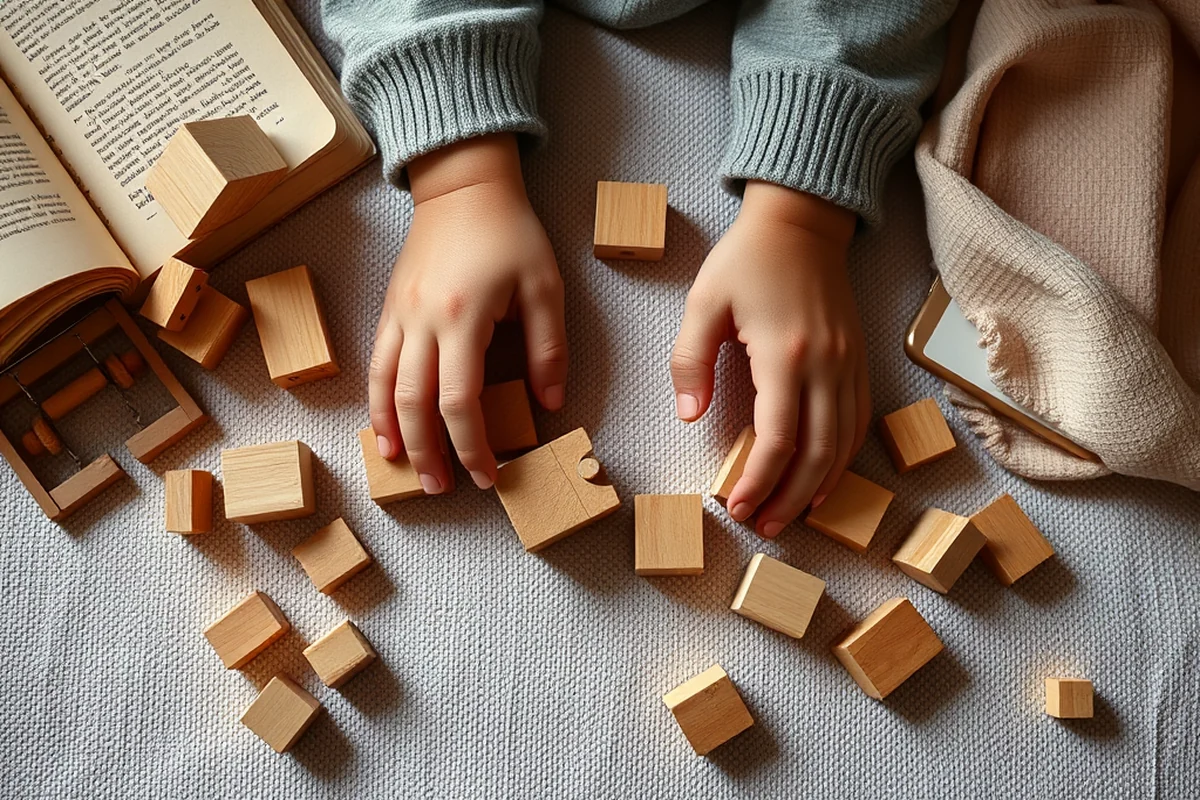
I started incorporating games into our morning routine a few months ago. We play a matching game while we eat breakfast, and it's become a favorite part of our day. It's a great way to keep my daughter engaged and learning without making it feel like an obligation.
I've also noticed that games can be a great way to reinforce learning from school or other activities. If my daughter is learning about shapes in class, I bring out a shape recognition game at home. It helps reinforce the concepts and makes learning more interactive.
Another way I've integrated games into daily life is by using them during car rides or waiting in line. I bring a few small games in a bag, and they keep my daughter entertained and learning while we're on the go. It's a win-win for both of us.
Related: Play based learning for beginners explained
The Long-Term Benefits of Learning Through Play
I've seen a noticeable difference in my daughter's confidence over the past year. She used to be hesitant to try new things, but now she's more willing to take on challenges. I think a lot of that comes from the games she plays — they help her build resilience and a growth mindset.
One of the biggest surprises for me was how much my daughter's language skills have improved. I've seen her learn new words, ask more questions, and even start using complex sentences. I didn't expect that, but it's one of the most rewarding parts of this journey.
Another long-term benefit is the ability to think critically. I've noticed that my daughter is more curious about the world now. She asks why things happen and how things work — all of which are essential skills for future learning.
Related: Easy play based learning ideas
Why Parents Should Embrace Learning Games
I used to think that learning was something that happened in school or through books. But now, I know that learning can happen anywhere — and games are a powerful tool to make that happen. They're not just for kids; they're for parents too, because they help us bond with our children while we learn together.
One of the most rewarding parts of using learning games is seeing my daughter light up with excitement when she learns something new. It's a feeling that's hard to put into words — it's pure joy, and that's something no textbook can provide.
I've come to see learning games as a way to nurture curiosity, creativity, and confidence in my child. They're not just tools for learning — they're tools for growth, and that makes them worth every minute and every investment.
Learning games are the secret ingredient to raising confident, curious kids.
Related: Play based learning tips for families
How to Get the Most Out of Learning Games
I've learned that the key to getting the most out of learning games is to keep the process light and enjoyable. If the games feel like a chore, my daughter loses interest quickly. So, I always try to make them feel like a game — not a lesson.
Another thing that has helped is consistency. I try to set aside time each day for learning games, even if it's just 10 minutes. It's amazing how much can be achieved in that short amount of time, and it helps build a routine that my daughter looks forward to.[4]
I also make sure to celebrate small victories. Whether it's my daughter solving a puzzle or learning a new word, I always take a moment to acknowledge her progress. It helps build her confidence and keeps her motivated to keep learning.
🌱 Gentle Approach
Start with simple games that are low-pressure and focus on exploration. This is ideal for younger children or those who are just beginning to learn.
⚡ Fast-Track Method
Use more structured games that focus on quick learning and skill building. Great for older children or those who are ready for more advanced challenges.
✈️ Travel/On-the-Go Style
Choose small, portable games that are easy to bring along. Perfect for road trips, waiting in line, or other situations where you need to keep your child engaged.
👶 Multiples Approach
Use games that can be played by multiple children at once. Ideal for families with more than one child or those who want to encourage teamwork and cooperation.
🔄 Regression Reset
Use games that help reinforce previously learned skills. Great for children who are struggling or need a refresher before moving on to more complex concepts.
| The mistake | Why it happens | The fix |
|---|---|---|
| Choosing a game that is too advanced for the child. | This can lead to frustration and disengagement. If the game is too difficult, the child may lose interest and not benefit from it. | Always choose games that match your child's developmental stage and abilities. Look for age-appropriate labels and start with simpler games. |
| Forcing the child to play a game they're not interested in. | This can make learning feel like a chore rather than a fun activity. If the child is not interested, they may not benefit from the game. | Let the child choose the game they want to play. If they're not interested in a particular game, move on to something else. |
| Not incorporating the game into daily routines. | This can make the learning process feel sporadic and less effective. Without consistency, the child may not see the benefits of the game. | Try to set aside a small amount of time each day for learning games. Even 10 minutes a day can be enough to make a difference. |
| Not celebrating the child's progress. | This can lead to a lack of motivation and confidence. If the child doesn't feel like their efforts are being recognized, they may not want to continue playing the game. | Always acknowledge the child's progress, even small victories. Take time to praise them and let them know how proud you are of their efforts. |
Children's Learning Games
Common Questions
How can I choose the right learning game for my child?
How long should I spend playing learning games with my child?
Can learning games be used for older children?
How do I keep my child engaged with learning games?
References
Cite this guide
Playschooled (2026). Children's Learning Games: How They Help Kids Grow and Learn. https://playschooled.com/children-s-learning-games/
Feel free to cite or share this guide.