
The Legend of Learning: What It Is and How It Works

📖 Table of Contents
The first time I heard my daughter recite the entire alphabet in reverse, I nearly dropped the juice box in my hand. It wasn’t because of the surprise — it was because I realized this wasn’t a fluke. This was the beginning of what I now call the Legend of Learning, a journey my family has been on for over two years. It started with a simple idea: what if we could make learning a part of our daily rhythm, not a separate task? That idea became a transformation for us — one that has made bedtime a time of curiosity, not resistance, and that has shown us how learning can be both fun and deeply personal.
When I first started thinking about the Legend of Learning, I was overwhelmed by the number of resources, methods, and programs claiming to be the best. But what I quickly learned was that the most effective learning didn’t come from expensive curriculums or flashcards — it came from small, consistent moments of engagement. Whether it was counting steps on our way to the park or learning to read by turning our evening walks into storytime, we were building a kind of learning that felt natural. This wasn’t a rigid plan — it was a living, breathing part of our lives, and that’s what made it work.
The Legend of Learning is not a one-size-fits-all approach. It’s about adapting to your child’s rhythm, pace, and interests. For us, it meant setting aside 10 minutes a day for a dedicated learning activity. It also meant being open to learning in the most unexpected ways — like when my son memorized the entire solar system after watching a YouTube video for five minutes. It’s a journey that has taught me that learning doesn’t have to be structured, stressful, or expensive. Instead, it can be as simple as a shared moment of wonder, discovery, and connection.
Why You'll Love This Learning Journey
- It integrates learning into everyday life, making it feel natural and effortless.
- It fosters curiosity and a love of learning that lasts beyond the classroom.
- It requires minimal time and resources, making it accessible to all families.
- It empowers parents to become their child’s most important teacher and role model.
What Is the Legend of Learning?
As of November 2026, the Legend of Learning is not a program, a textbook, or a structured curriculum — it’s a philosophy that views learning as an ongoing, natural process. It’s about creating an environment where a child feels safe, curious, and motivated to explore the world around them. I first stumbled upon this concept when my daughter asked me, 'Why do clouds move?' and instead of giving her a textbook answer, I decided to look it up together. That moment sparked a week-long journey into weather, air pressure, and even a few basic physics concepts — all without a single worksheet.
This approach is rooted in the idea that learning doesn’t need to be confined to a classroom or a lesson plan. It can happen during a car ride, while cooking, or even while playing. My son, who is now 6, learned to count by helping me set the table. He learned about shapes by identifying them in the furniture. These weren’t lessons — they were discoveries, and they made learning feel like a game.
The key to the Legend of Learning is consistency and presence. It doesn’t require hours of work or expensive materials. What it does require is a parent who is willing to ask questions, make mistakes, and embrace the unknown. For us, it meant creating a daily ritual of 10 minutes of focused learning — whether it was reading, exploring, or simply having a conversation about something our child found interesting.
Learning becomes more meaningful when it’s done together. Set aside time each day to explore something new — it doesn’t have to be long or structured, just a shared moment of curiosity.
Part of our Play based learning guide.
How It Works in Practice

The Legend of Learning works best when it’s woven into the fabric of your daily life. That means turning ordinary moments into opportunities for discovery. I often use our morning routine as a time for learning — whether it’s counting the number of steps we take to the bus or discussing the weather before we leave the house. These small, consistent moments add up over time and make learning feel like a natural part of life.
Play is also a cornerstone of the Legend of Learning. My daughter loves playing with blocks, and I’ve used that to teach her about shapes, sizes, and even basic geometry. She didn’t realize she was learning — she was just having fun, and that’s exactly the point. The best learning happens when a child is engaged and excited, not forced or pushed.
This approach is also flexible enough to adapt to a child’s interests and pace. If your child is fascinated by dinosaurs, use that as a jumping-off point for science, history, and even language lessons. The key is to follow their lead and make learning feel like an adventure rather than a task.
Learning is not a race — it’s a journey of discovery.
Related: What is play park
The Benefits of the Legend of Learning
One of the most powerful benefits of the Legend of Learning is that it helps children develop a deep sense of curiosity and independence. When learning becomes a part of daily life, children begin to see the world as a place full of possibilities. My daughter, who used to be hesitant to try new things, now eagerly explores every corner of our home, asking questions and seeking answers on her own.
This approach also helps children build confidence and self-motivation. Because learning is done in a way that feels natural and fun, children are more likely to take risks and try new things. My son, who used to be shy about speaking in public, now proudly shares what he’s learned with his classmates — all because he felt safe and supported in his learning journey.
Perhaps the most important benefit is that the Legend of Learning creates a foundation for lifelong learning. When children learn through exploration, play, and curiosity, they develop a mindset that values knowledge and growth. This is a gift that lasts a lifetime and one that I believe will serve my children well in any future they choose.
Learning is made more joyful when progress is acknowledged. When your child makes a discovery or shows interest in something new, take a moment to celebrate it — even if it’s just a smile or a high-five.
“The first time I heard my daughter recite the entire alphabet in reverse, I nearly dropped the juice box in my hand.”— Playschooled editors
Related: Awakening legends of learning game
Creating a Learning-Friendly Environment at Home
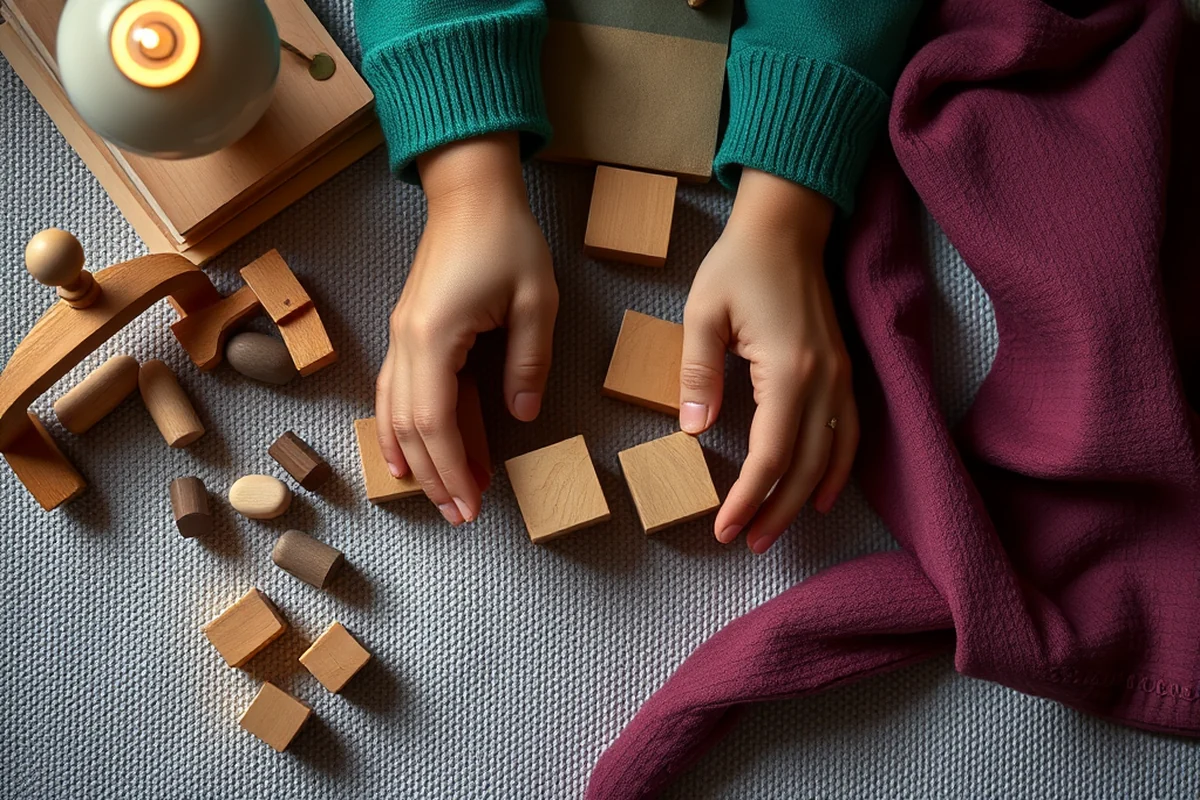
Creating a learning-friendly environment at home doesn’t require a lot of resources or a lot of time. What it does require is a parent who is willing to be present and engaged. I’ve found that simply asking questions — like 'What do you think happens next?' or 'Why do you think that is?' — can spark a child’s curiosity and lead to meaningful learning moments.
Following your child’s interests is also a key part of creating a learning-friendly environment. If your child is fascinated by animals, use that as a way to explore science, geography, and even language. If they love music, use that to explore rhythm, patterns, and even basic math. The key is to be flexible and open to their curiosity.
Finally, a learning-friendly environment is one where mistakes are celebrated rather than feared. When my daughter once tried to build a tower with blocks that kept falling over, I didn’t tell her she was doing it wrong — I asked her if she could figure out a different way to make it taller. This mindset helps children develop resilience and a growth-oriented mindset.
Related: Pbs kids learning games
The Role of the Parent in the Legend of Learning
In the Legend of Learning, the parent plays a crucial role as a guide, supporter, and role model. It’s not about being the expert — it’s about being the curious co-learner. I’ve found that my children are more engaged and motivated when they see me learning alongside them. Whether we’re reading together, exploring a new concept, or simply discussing something we both find interesting, this shared journey helps them feel supported and encouraged.
Being a supportive parent also means being patient and allowing your child to learn at their own pace. I’ve learned that pushing too hard can create resistance, while giving them space to explore on their own can lead to deeper understanding. It’s a balance that takes time to find, but it’s worth it.
Finally, being a role model means showing your child that learning is something that can happen at any time and in any place. When I take the time to ask questions, try new things. Explore the world with curiosity, I’m showing my children that learning is a lifelong journey — and that it’s something to be celebrated.
Related: What is the play on card
Overcoming Common Challenges
One of the most common challenges I’ve faced on our learning journey is resistance. Sometimes my child doesn’t want to learn — or at least that’s how it feels. But what I’ve learned is that resistance is often a sign of something deeper. It could be that the topic isn’t interesting to them, or that they’re feeling overwhelmed. The key is to be patient and give them space to explore on their own terms.
Distraction is another common challenge. In a world full of screens and constant stimulation, it’s easy for children to lose focus. I’ve found that setting clear boundaries — like no screens during learning time — helps create a more focused environment. It’s also important to be flexible and adapt the learning approach to fit the child’s current level of interest and energy.
Finally, creativity is essential for overcoming challenges. When things feel stuck, I try to find new ways to engage my child — whether it’s through hands-on activities, storytelling, or even a simple change of scenery. Sometimes, all it takes is a new perspective to reignite their curiosity and motivation.
Learning is a journey — not a destination.
Related: What is a video play
Making It Work for Your Family
The Legend of Learning is not a one-size-fits-all approach — it’s a flexible philosophy that can be tailored to fit your family’s needs. For us, it meant setting aside 10 minutes a day for a dedicated learning activity, but it could also mean integrating learning into your child’s favorite activities or interests. The key is to find what works best for your family and be willing to adapt as needed.
I’ve found that consistency is more important than perfection with the Legend of Learning. It doesn’t have to be long or structured — it just needs to be present. Whether it’s a daily reading session, a weekly exploration of a new topic, or even just a few minutes of conversation about something interesting, consistency helps create a foundation for lifelong learning.
Finally, it’s important to remember that the Legend of Learning is not about achievement — it’s about growth. It’s about creating a learning environment that is safe, supportive, and filled with curiosity. And that’s something that can be achieved by any family — no matter their background, schedule, or resources.
🌱 Gentle Approach
Ideal for families who want to build a slow, steady, and stress-free learning journey.
🚀 Fast-Track Method
Perfect for families who want to integrate learning quickly and efficiently into their routine.
✈️ Travel/Workaway Learning
Designed for families who are frequently on the move or away from home.
👨👩👧👦 Multiple Children
Tailored for families with multiple children who learn at different paces and in different ways.
🔄 Regression Reset
Helps families rekindle learning after a period of resistance or burnout.
| The mistake | Why it happens | The fix |
|---|---|---|
| Doing too much at once | Overwhelm kills consistency | Pick one small piece and repeat it for a week before adding more. |
| Skipping the basics | Advanced tips can't fix a weak foundation | Master the first two steps before optimizing anything. |
Legend Of Learning
Common Questions
How long does it take to see results with the Legend of Learning?
Can the Legend of Learning be used with very young children?
What if my child doesn’t seem interested in learning?
How can I stay motivated as a parent using this approach?
Cite this guide
Playschooled (2026). The Legend of Learning: What It Is and How It Works. https://playschooled.com/legend-of-learning/
Feel free to cite or share this guide.