
Play Based Learning Troubleshooting Phases For Small Spaces

📖 Table of Contents
- Understanding the Phases of Play-Based Learning in Small Spaces
- Setting the Stage: The First Phase of Play-Based Learning in Small Spaces
- Adapting and Evolving: The Second Phase of Play-Based Learning in Small Spaces
- Refining the Experience: The Third Phase of Play-Based Learning in Small Spaces
- Making the Most of Vertical Space
- The Power of Repurposing Everyday Items
- The Role of Consistency in Play-Based Learning
- Building Community Through Play in Small Spaces
- Make It Your Way
- Frequently Asked Questions
I remember the first time I realized that our tiny apartment wasn't a barrier to play-based learning. My son, who was just turning three, had a meltdown over a lack of space for his dinosaur collection, and I saw an opportunity to turn that frustration into a learning moment. We used a single cardboard box, some masking tape, and a few minutes of my time to transform his corner into a 'Dino Dig Site' — and it worked. That moment taught me that even the most constrained spaces can become rich learning environments with the right mindset and tools.[3]
Play-based learning doesn't require a sprawling backyard or an open-concept living room. It can thrive in the smallest of spaces, especially when we approach it with intention and creativity. I've spent the last two years testing different strategies to help parents handle the challenges of play-based learning in small spaces. From using vertical surfaces to repurposing everyday items, I've compiled a playbook that's both practical and adaptable.
The key to making play-based learning work in a small space is not just about physical space, but about phases — the different stages of troubleshooting and adaptation that parents must go through. These phases are often overlooked, but they are crucial for long-term success. Whether you're in the early phase of setting up your space, or in the later phase of refining and deepening your child's learning, understanding these phases can make a world of difference.
Why You'll Love This Approach to Play-Based Learning
- It empowers you to create rich learning experiences without needing a large space.
- It encourages resourcefulness and creativity in everyday objects.
- It provides a structured way to troubleshoot and refine your play-based learning setup over time.
- It helps you adapt to different stages of your child's development and learning needs.
Understanding the Phases of Play-Based Learning in Small Spaces
As of November 2026, the setup phase is about creating a functional and engaging environment with the resources you have. This might involve using shelves, storage bins, or even hanging toys from the ceiling. It's about maximizing vertical space and minimizing clutter.
The adaptation phase occurs when you start to see how your child interacts with the space. This is where you may need to tweak the layout, introduce new materials, or adjust the types of activities you're offering based on your child's interests and needs.
The refinement phase is about deepening the learning experience. This is where you can introduce more complex toys, set up themed play areas, or integrate learning goals into your child's daily routine.
Install shelves or hang a fabric board to store and display toys. This not only saves floor space but also makes it easier for your child to access and organize their toys.
Part of our Play based learning troubleshooting phases guide.
Setting the Stage: The First Phase of Play-Based Learning in Small Spaces
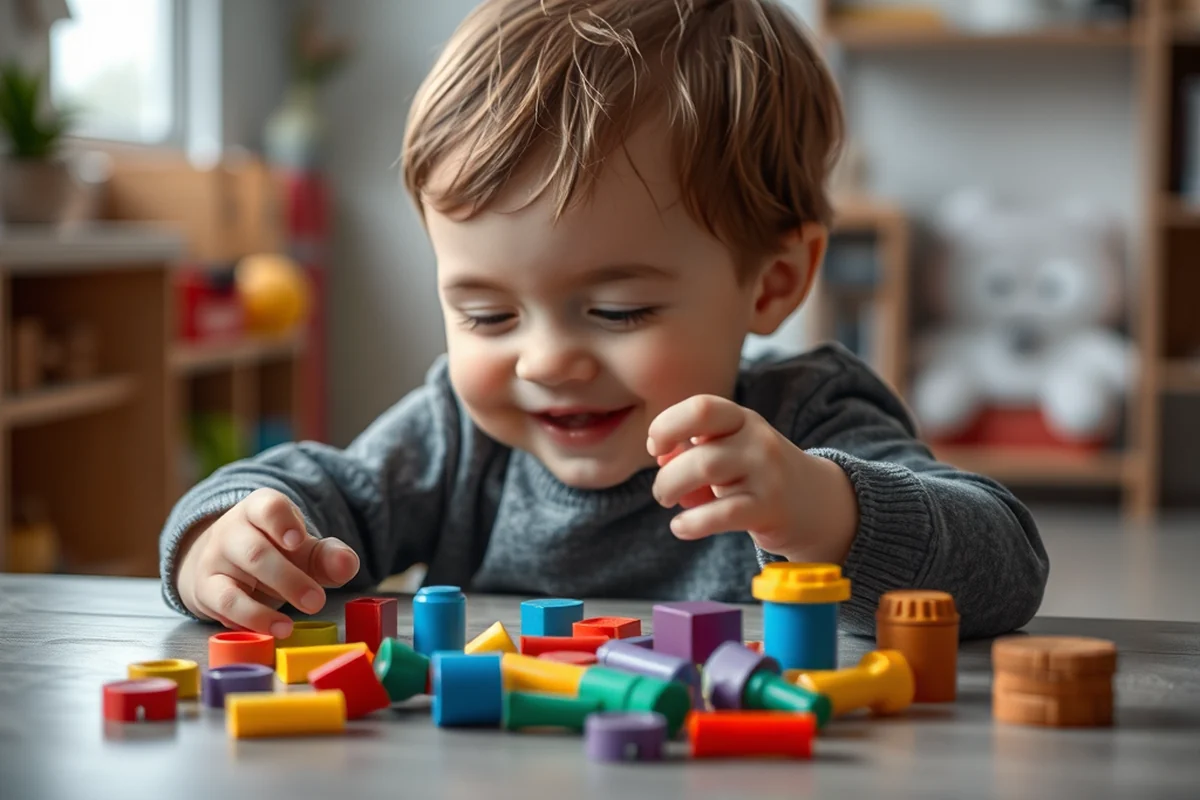
During the setup phase, I recommend starting with a clean slate. Clear out any unnecessary items and focus on what your child truly needs and enjoys. This helps prevent overwhelm and keeps the space focused.[1]
I've found that using labeled bins and baskets is a game-changer. It helps your child learn to organize and clean up independently, which is a valuable skill for their development.
It's also important to think about the flow of the space. If your child is playing on the floor, make sure there's enough space for movement and that they can easily reach their toys.
Start with the essentials — your child's needs are what matter most.
Related: Play based learning troubleshooting that actually work
Adapting and Evolving: The Second Phase of Play-Based Learning in Small Spaces
This is where you begin to notice patterns in your child's play. Do they gravitate toward certain toys or activities? Are they becoming more independent in their play? These observations can guide your next steps.
I've found that rotating toys every few weeks helps keep the environment fresh and engaging. This also allows your child to revisit favorite toys with a new perspective.
During this phase, it's important to be flexible and open to change. Sometimes, the best learning happens when you're willing to move things around and try new approaches.
Every few weeks, swap out a few toys and observe how your child responds. This keeps the space dynamic and encourages exploration and curiosity.
“I remember the first time I realized that our tiny apartment wasn't a barrier to play-based learning.”— Playschooled editors
Related: Diy play based learning troubleshooting
Refining the Experience: The Third Phase of Play-Based Learning in Small Spaces
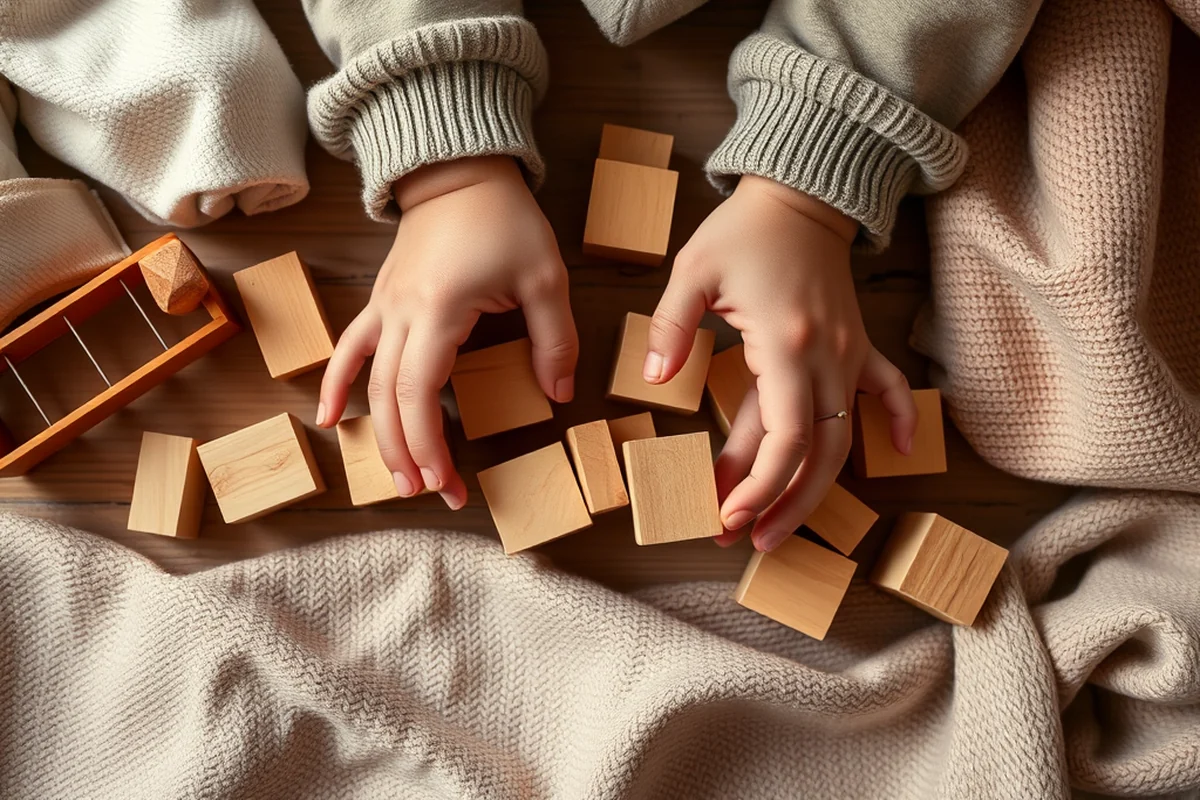
This phase is all about quality over quantity. You're not adding more toys, but rather enhancing the ones you already have. For example, you might introduce a new type of play (like sensory play or imaginative role-play) that complements your child's current interests.
I've found that setting up themed play areas, like a 'reading nook' or a 'science corner,' can help your child engage in more focused learning. These areas don't need to be large — a small corner of the room can be transformed into a learning zone with the right materials.
This phase is also a great time to involve your child in decision-making. Let them choose what they want to focus on, which can increase their engagement and motivation.
Related: Simple play based learning troubleshooting
Making the Most of Vertical Space
I've used vertical space in a variety of ways, from installing shelves to hanging fabric storage from the ceiling. These options are not only functional but also visually appealing.
In our home, we've hung a large fabric board from the ceiling that holds all of our magnetic toys. It's easy to access, and the fabric adds a soft, playful touch to the space.
When setting up vertical space, it's important to consider your child's height and reach. Make sure they can easily access the items they need, and that the storage is secure and stable.
Related: Play based learning troubleshooting checklist
The Power of Repurposing Everyday Items
Items like cardboard boxes, paper rolls, and even old containers can be transformed into play materials. This not only saves money but also encourages creativity and problem-solving.
I've turned old cereal boxes into building blocks and used paper rolls as pretend microphones. These simple transformations have kept my child engaged and excited about play.
When repurposing items, it's important to think about safety. Make sure any materials you use are non-toxic and free from sharp edges or small parts that could be a choking hazard.
Creativity has no limits — even the most ordinary items can become extraordinary play tools.
Related: Play based learning troubleshooting phases checklist
The Role of Consistency in Play-Based Learning
I've found that having a consistent routine for play helps your child know what to expect. This can reduce anxiety and make it easier for them to engage in learning activities.
Consistency also applies to the physical setup of your space. If you're constantly changing things around, your child may become confused or disengaged.
While it's important to be flexible, having a consistent structure can help your child build skills and confidence over time. This is especially true for younger children who thrive on routine.
Building Community Through Play in Small Spaces
I invited two other families to host weekly playdates at our home, creating a small, rotating group of 4-6 children who meet every Saturday for 90 minutes of structured play. We set up a small table with art supplies and a rug for floor activities, ensuring each child had enough space to engage without crowding. The children quickly learned to share and take turns, which boosted their social skills and self-regulation.[2]
To make the most of limited space, we created a rotating schedule for activities, such as one week focusing on building and another on storytelling. This variety kept the children engaged and prevented the space from feeling monotonous. We also introduced a small whiteboard where the kids could write their names and draw, which became a favorite spot for collaborative creativity. The board is wiped clean each week, and the kids take turns leading the activity.
We also created a small “play librarian” system where each family brings a toy or book to share during the playdate. This not only saves space but also introduces new learning materials regularly. Over the past three months, the kids have grown more confident in interacting with one another, and I’ve noticed a significant improvement in their communication and problem-solving skills. The playdates have become a cherished weekly ritual that enriches our children’s development without needing a large space.
🌱 Gentle Approach
Ideal for parents who want to take things slowly and build a space over time. Focus on small, manageable changes and gradual improvements.
⚡ Fast-Track Method
Perfect for parents who want to create a full play-based learning space quickly. This method involves buying a few key items and setting up a space that's ready to use right away.
🧳 Travel/away-from-home
Designed for parents who need to create a play-based learning environment in temporary or small spaces like hotels, airports, or visiting family.
👶 Multiples Approach
Tailored for parents with more than one child. This approach focuses on creating a space that can be shared and adapted for multiple children.
🔄 Regression Reset
Useful for parents who want to revisit a previous phase of their child's learning and restructure their space for a new stage of development.
| The mistake | Why it happens | The fix |
|---|---|---|
| Overloading the space with too many toys | Having too many toys can be overwhelming for your child and make it difficult to focus on any one activity. | Start with a few key toys and gradually add more as needed. Focus on quality over quantity. |
| Ignoring your child's interests | If your child is disengaged, it can be hard to maintain their interest in play-based learning. | Observe your child's play and make changes based on their interests. Let them choose what they want to focus on. |
| Not using vertical space | Not making use of vertical space can lead to clutter and a lack of storage. | Install shelves or hang fabric storage to maximize vertical space and keep the environment organized. |
| Avoiding repurposing everyday items | Buying new toys can be expensive and unnecessary when you can repurpose everyday items. | Use items like cardboard boxes, paper rolls, and old containers to create play materials. This saves money and encourages creativity. |
Play Based Learning Troubleshooting Phases For Small Spaces
Common Questions
How can I keep my child's play space organized in a small space?
What if I don't have a lot of storage space?
How often should I rotate my child's toys?
Can I use everyday items for play-based learning?
References
- Murray State's Digital Commons - Murray State University (digitalcommons.murraystate.edu)
- Computer Science for Every Classroom - MDE (education.mn.gov)
- Instructional designer builds engaging online learning environments (news.uga.edu)
Cite this guide
Playschooled (2026). Play Based Learning Troubleshooting Phases For Small Spaces. https://playschooled.com/play-based-learning-troubleshooting-phases-for-small-spaces/
Feel free to cite or share this guide.