
What Is a Play School and How It Supports Early Learning

📖 Table of Contents
- What Exactly Is a Play School?
- How Play Schools Support Early Learning
- The Benefits of Play Schools for Parents
- Play Schools and Emotional Development
- The Importance of the Play School Environment
- Play Schools and the Role of Educators
- The Long-Term Impact of Play Schools
- Make It Your Way
- Frequently Asked Questions
I remember the day my daughter walked into her first play school, her tiny hand gripping mine with a mix of curiosity and hesitation. It was a simple room with colorful blocks, a soft carpet, and a few toddlers giggling in the corner. I didn’t know it at the time, but that moment marked the start of a new chapter for our family. What is a play school, really? It’s not just a place where kids play—it’s a carefully designed environment where learning and development unfold naturally through play.
Play school has become a buzzword in parenting circles, and for good reason. It’s not the same as a traditional daycare or preschool, even though the two are often confused. The difference lies in the structure, the philosophy, and the goals. At its core, a play school is a space where children are given the freedom to explore, create, and interact with peers in a safe and stimulating environment. It’s a place where learning is not forced—it’s discovered.
Over the years, my own experience with play schools has taught me that the best ones are not the ones with the most toys or the most activities. The ones that truly understand child development. I’ve seen children grow in confidence, language, and social skills in ways I never anticipated. What is a play school? It’s a place where play is the primary tool of learning, and where children are not just cared for—they’re nurtured.
Why You'll Love This Approach to Play School
- Children develop critical social and emotional skills through unstructured play.
- Play school provides a safe space for exploration and creativity.
- It supports early learning in a natural and engaging way.
- Parents gain peace of mind knowing their child is in a nurturing environment.
What Exactly Is a Play School?
As of November 2026, at its heart, a play school is a space where children engage in unstructured, open-ended play, guided by trained educators who understand child development. These educators observe and interact with the children, fostering a safe environment where learning happens naturally. Unlike traditional preschools, which often follow a rigid curriculum, play schools prioritize the child’s interests and developmental needs.
I’ve visited several play schools, and the most effective ones are those that don’t have a set schedule or a list of activities to complete. Instead, they provide a variety of materials—blocks, art supplies, books, and sensory tools—that children can explore freely. It’s not about teaching them to read or count at an early age, but about building foundational skills like problem-solving, creativity, and cooperation.
In my experience, the best play schools have a low child-to-teacher ratio, allowing each child to receive individualized attention. This ensures that even the most introverted or shy children feel supported and encouraged to participate in activities at their own pace.
When visiting a play school, take a close look at the space and how the children interact with it. A good play school will have a variety of materials that encourage creativity and exploration.
Part of our Play based learning guide.
How Play Schools Support Early Learning
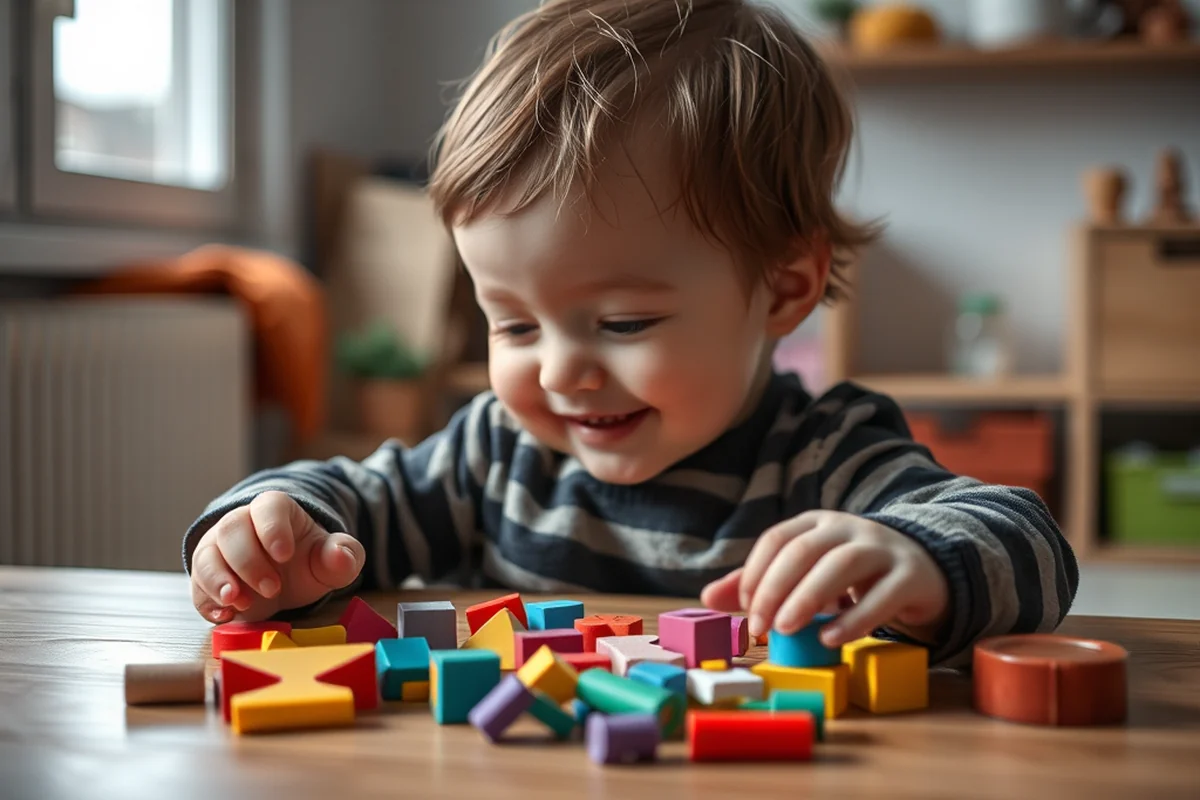
I’ve noticed that children in play schools often pick up new skills faster than those in more structured environments. For example, my daughter learned to count and recognize shapes through play, not through formal lessons. She would count blocks, sort them by color, and even create her own patterns without being asked.
The freedom to explore and experiment is what makes play school so effective. Kids are naturally curious, and when given the right tools and environment, they learn best through hands-on experiences. Whether it’s building with blocks, drawing, or playing pretend, every activity serves a purpose in their development.
In one of the play schools I visited, I saw a toddler learning to share a toy with a friend. The teacher didn’t intervene—it was left to the children to work it out. That moment was powerful. It showed me that play schools don’t just teach academic skills; they teach life skills.
Learning happens in the moments we least expect.
Related: Is play based learning effective comparison
The Benefits of Play Schools for Parents
As a parent, choosing a play school means knowing your child is in a safe, stimulating environment. It also means you can focus on your own responsibilities, whether that’s work, family, or self-care. I’ve found that play schools often provide flexible hours, making it easier for parents with unpredictable schedules.
Another benefit is the opportunity to observe your child’s growth. Many play schools allow parents to visit and see how their child is interacting with others, solving problems, and expressing themselves. This kind of visibility is rare in traditional daycare settings.
I’ve also appreciated the support I’ve received from play school educators. They’ve been available for check-ins, provided feedback on my daughter’s progress, and even offered advice on how to support her learning at home.
Before enrolling your child, ask the play school about their communication policies. A good program will keep you informed about your child’s day and be open to your concerns.
“I remember the day my daughter walked into her first play school, her tiny hand gripping mine with a mix of curiosity and hesitation.”— Playschooled editors
Related: Is play based learning effective
Play Schools and Emotional Development
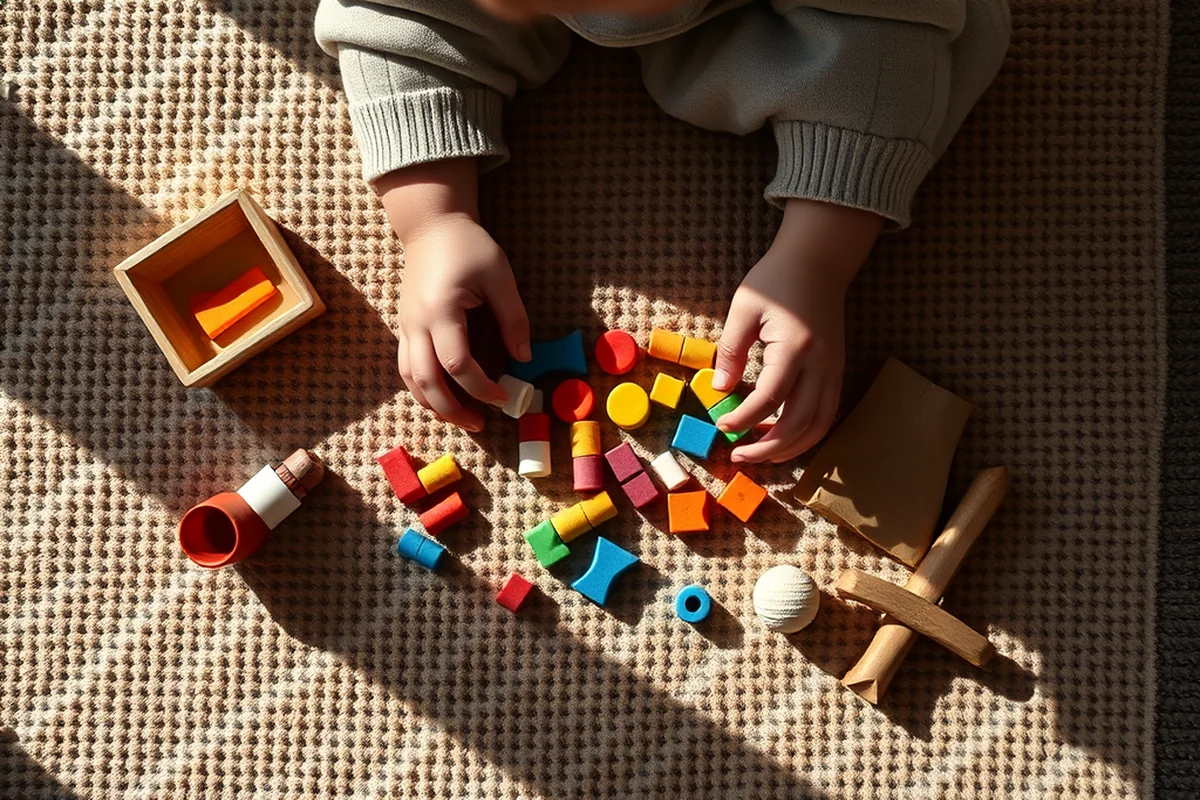
One of the most surprising things I’ve learned about play schools is their impact on emotional development. Kids in play schools have more opportunities to express their feelings, learn to take turns, and understand the emotions of others. These are skills that can’t be taught in a classroom—they have to be experienced.
I’ve seen children in play schools who are more confident, more empathetic, and better at resolving conflicts. It’s not about making them perfect, but about helping them handle the complexities of social interaction from an early age.
In my own experience, my daughter has become more expressive and emotionally aware since starting play school. She’s learned to communicate her needs and feelings, which has made a huge difference in how she interacts with others.
Related: Simple game based learning platforms
The Importance of the Play School Environment
The physical environment of a play school has a major impact on a child’s learning and well-being. A space that is safe, inviting, and stimulating encourages exploration and creativity. I’ve visited play schools that had everything from sensory tables to climbing structures, and I’ve seen how each space supports different types of learning.
The layout of the room is also important. Play schools with open spaces, natural light, and minimal clutter tend to be more engaging for children. They allow for movement and free play, which is essential for physical development and brain growth.
In one particular play school I visited, the educators had created a space that encouraged both imaginative and structured play. One corner was a reading nook, another was a block station, and there was even a quiet area for kids who needed a break. It was a thoughtful, child-centered environment.
Related: Natural play based preschool curriculum
Play Schools and the Role of Educators
The role of the educator in a play school is different from that of a traditional teacher. Instead of lecturing or following a curriculum, play school educators guide and support children as they explore and learn. They observe, interact, and respond to each child’s needs in real time.
I’ve had the opportunity to speak with several play school educators, and I’ve been impressed by their knowledge of child development and their ability to adapt to each child’s pace. They’re not there to teach, but to facilitate learning through play and interaction.
One educator told me that her job is to be a ‘play partner’ to the children. That’s a beautiful way to describe what she does. She doesn’t force learning onto the kids—she helps them discover it for themselves.
Play is the work of childhood.
Related: Diy play based preschool curriculum
The Long-Term Impact of Play Schools
While the immediate benefits of play school are clear—improved social skills, emotional growth, and creativity—the long-term impact can be even more profound. Studies have shown that children who attend play schools often perform better in school later on, both academically and socially.[1]
The skills learned in play school—problem-solving, communication, and cooperation—are transferable to many areas of life. These are the kinds of skills that help children succeed in school, in relationships, and in their future careers.
In my own experience, I’ve seen how the confidence and social skills my daughter developed in play school have carried over into other aspects of her life. She’s more outgoing, more resilient, and more capable of handling challenges.
🌈 Gentle Play School
A play school that focuses on low-stimulation activities and gentle guidance for sensitive or shy children.
🚀 Fast-Track Play School
A play school that offers a more structured and goal-oriented approach for children who are ready for more advanced learning.
✈️ Travel-Friendly Play School
A play school designed for families who are often on the move, with flexible hours and a portable learning environment.
👶 Play School for Multiples
A play school that caters specifically to children with siblings, offering a unique space for shared learning and interaction.
🔄 Regression Reset Play School
A play school designed for children who are experiencing developmental regression or who need a fresh start.
| The mistake | Why it happens | The fix |
|---|---|---|
| Choosing a play school based only on the number of toys and activities. | A play school with too many toys and a busy environment may not provide the focused, individualized attention that a child needs to thrive. | Look for a play school that offers a balance between stimulation and calm, with a focus on quality over quantity. |
| Assuming that all play schools are the same. | Each play school has its own philosophy, approach, and environment, which can significantly impact a child’s experience and development. | Visit multiple play schools and observe the environment, teacher interactions, and the children’s engagement before making a decision. |
| Not communicating your child’s needs to the play school. | Failing to share important information about your child’s behavior, allergies, or developmental needs can lead to a mismatch in the play school environment. | Before enrolling, provide the play school with as much information as possible about your child, including any special needs or preferences. |
| Overlooking the importance of the play school’s communication policy. | A lack of communication between the play school and the family can leave parents in the dark about their child’s progress and well-being. | Ask the play school about their communication policies and ensure that there are clear channels for regular updates and feedback. |
What Is A Play School
Common Questions
How old should a child be to attend a play school?
Do play schools follow a set curriculum?
Are play schools a good alternative to traditional daycare?
What should I look for when choosing a play school?
References
- Physical Activity During Early Childhood: The Importance of Parental ... (pmc.ncbi.nlm.nih.gov)
Cite this guide
Playschooled (2026). What Is a Play School and How It Supports Early Learning. https://playschooled.com/what-is-a-play-school/
Feel free to cite or share this guide.