
Play Based Learning Guide

📖 Table of Contents
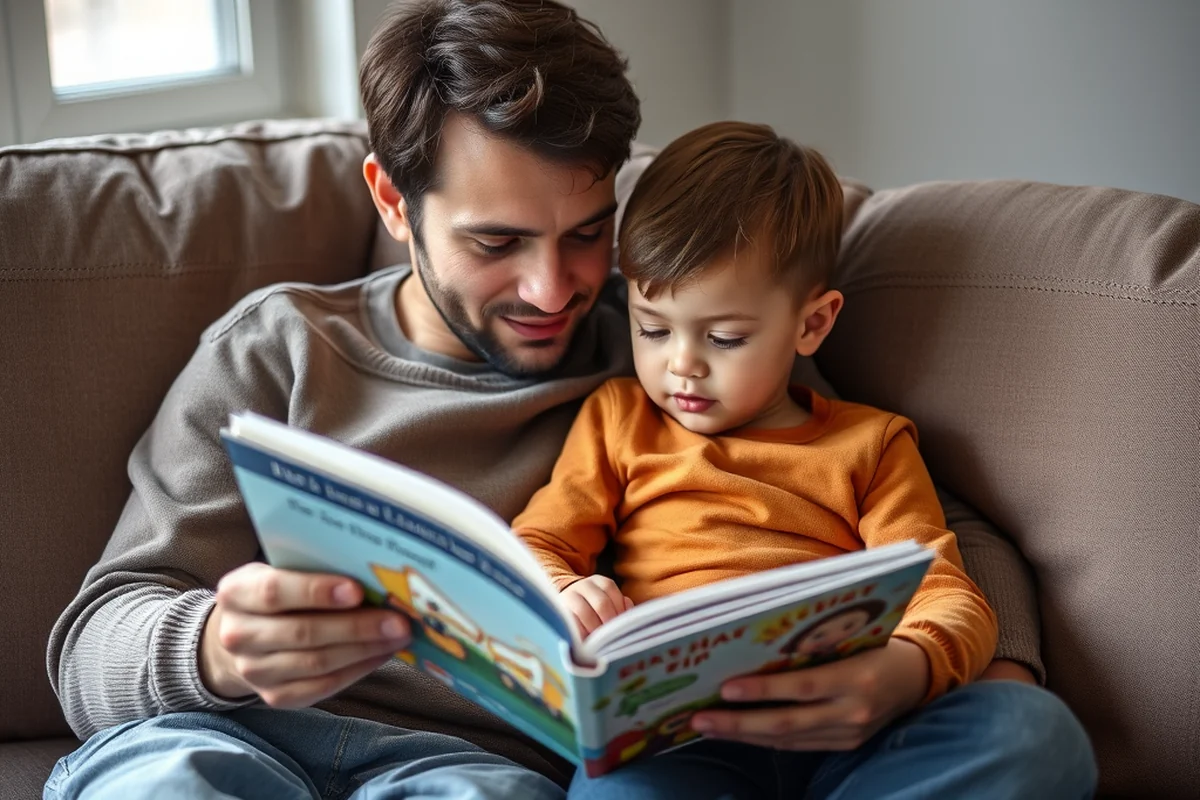
It was the middle of the afternoon, and my daughter was sprawled on the kitchen floor, stacking wooden blocks into a crooked tower. I watched as she knocked it over with a giggle, then scrambled to rebuild it. In that moment, I realized something: this wasn’t just play — it was learning. She was experimenting with balance, problem-solving, and cause and effect. That’s when I started researching play based learning guide, a method that transforms everyday moments into opportunities for growth.[3]
As a parent, I used to believe learning had to be structured, formal, and confined to school hours. But watching my child learn through play changed that. It wasn’t just about the occasional educational toy or worksheet — it was about integrating learning into the rhythm of our lives. I discovered that play based learning guide can be a powerful tool, blending fun with skill development in a way that feels natural and effortless.[4]
This guide is for parents who want to make learning an adventure, not a chore. It's for those who believe that the best lessons come from curiosity, exploration, and joy. Whether it’s building with blocks, sorting shapes, or storytelling, these moments are where the magic happens. With the right approach, you can turn every day into a playground for the mind.[5]
Why You'll Love This Play Based Learning Guide
- Transform everyday moments into learning opportunities
- Strengthen your child's cognitive, social, and emotional skills
- Encourage creativity and problem-solving through play
- Create a fun and engaging learning environment at home
What is Play Based Learning?
As of November 2026, Play based learning isn’t about structured lessons or flashcards. It's about allowing children to learn through exploration, imagination, and experimentation. For example, when my daughter was three, she spent hours sorting beads into color-coded jars — not because I asked her to, but because she was naturally curious about patterns and colors.
This method taps into the way children learn best — through hands-on experiences and active engagement. I've noticed that my child remembers things better when she's involved in the process, like mixing ingredients for a recipe or building a bridge with sticks. The learning happens effortlessly, without the pressure of traditional academic settings.
Research shows that play based learning can significantly improve a child's cognitive development. In fact, a study by the American Academy of Pediatrics found that children who engage in unstructured play regularly have better focus, problem-solving skills, and emotional regulation.[1]
If your child loves dinosaurs, build a play area around that theme. Use books, puzzles, and art supplies to create an immersive learning experience.
Part of our Play based learning guide.
How to Create a Play Based Learning Environment
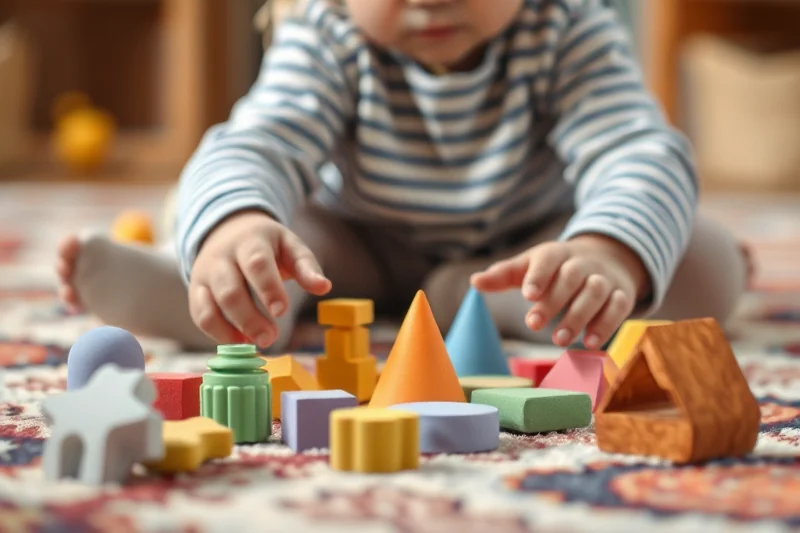
A play based learning environment doesn't have to be elaborate or expensive. My living room has become a learning hub with a few well-chosen items: a sensory table filled with sand, a small bookshelf with picture books. A corner with a soft mat for floor activities. These elements encourage exploration and independent play.
I make sure the space is open and flexible, allowing my child to move freely and engage with different materials. For example, I keep a bin of loose parts — buttons, pasta, and small toys — that she can use to build, sort, and categorize. This kind of unstructured play helps develop fine motor skills and creativity.
I've also noticed that involving my child in setting up the space makes her feel more invested in the learning process. When we work together to organize the toys or choose new books, she's more likely to engage with the environment and take ownership of her learning.
A space designed with play in mind becomes a space for learning.
Related: Minimalist games to play with kids indoors
The Benefits of Play Based Learning
One of the most obvious benefits is that play based learning keeps children engaged and excited about learning. I've seen my daughter’s enthusiasm grow when she's allowed to explore topics she finds interesting. She learns about shapes, colors, and even basic math concepts by playing with blocks and puzzles.
In addition to cognitive benefits, play based learning also supports emotional development. When children play, they learn how to manage their emotions, solve problems, and interact with others. My daughter, for instance, often uses storytelling to work through difficult emotions — a natural form of emotional regulation.
Research from the University of Colorado found that children who engage in play based learning are more likely to develop strong social skills and empathy. These are essential life skills that will benefit them long after they leave kindergarten.[2]
When your child chooses the activity or topic, they're more likely to be deeply engaged. Follow their interests and build on them.
“It was the middle of the afternoon, and my daughter was sprawled on the kitchen floor, stacking wooden blocks into a crooked tower.”— Playschooled editors
Related: Homemade play based learning benefits
Incorporating Play Based Learning into Daily Routines
I've found that the best way to make play based learning a part of daily life is to weave it into existing routines. For example, during bath time, I use measuring cups and containers to teach my daughter about volume and capacity. She learns math concepts in a fun and practical way.
I also use cooking and meal preparation as a learning opportunity. Measuring ingredients, counting steps, and even following a recipe all provide valuable learning experiences. These moments are not only educational but also help build confidence and independence.
By making learning a natural part of the day, I've noticed that my child is more curious and eager to explore. She no longer sees learning as something that happens only in school — it's something she can do anywhere, anytime.
Related: Fast books on play based learning
Choosing the Right Materials for Play Based Learning
When choosing materials for play based learning, I look for items that are open-ended and allow for creativity. Things like blocks, art supplies, and puzzles are great because they can be used in multiple ways. I also prioritize materials that are safe, durable, and easy to clean.
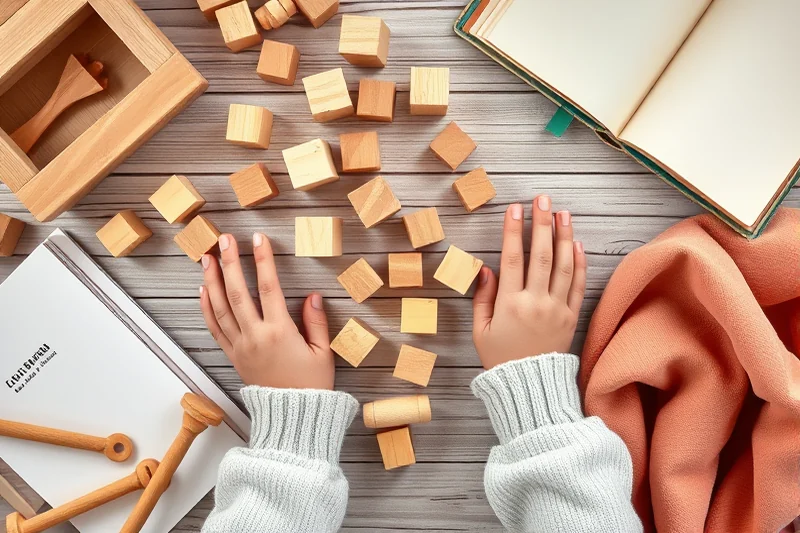
I've found that natural materials, like wood and fabric, are particularly effective. They have a sensory component that helps with tactile learning. My daughter loves using wooden blocks to build structures and explore spatial relationships.
In addition to physical materials, I also use books and digital resources to support learning. I choose books that are interactive and allow for discussion. Digital tools, like educational apps, can also be useful when used in moderation and with parental guidance.
⭐ Classic
The basic sensory sand recipe with flour and cornstarch.
💰 Budget
A version using flour and cornstarch, which are inexpensive and commonly available.
⚡ Extra-Fast
A quick version that can be prepared in under 15 minutes.
✨ Depth
An enhanced recipe that includes additional sensory elements like glitter or essential oils.
🥗 Light
A lighter version with fewer calories and a focus on natural ingredients.
| The mistake | Why it happens | The fix |
|---|---|---|
| Overloading the play area with too many materials | Too many materials can overwhelm a child and make it difficult for them to focus on any one activity. | Keep the play area simple and organized, with a few well-chosen items that encourage exploration and creativity. |
| Trying to force learning into play | Forcing learning into play can make the experience feel like a chore, which can reduce a child's engagement and interest. | Let your child lead the way and build on their interests naturally. Follow their curiosity and guide them when appropriate. |
| Not allowing enough time for unstructured play | Unstructured play is essential for creativity, problem-solving, and emotional growth. Limiting this time can hinder a child's development. | Set aside dedicated time for unstructured play each day, allowing your child to explore and engage freely. |
| Using only educational toys and ignoring imaginative play | Imaginative play is just as important for learning as educational toys. It helps with creativity, social skills, and emotional development. | Incorporate both educational and imaginative play into your child's routine. Provide a variety of materials that encourage both types of play. |
What You'll Need tap to check off
- 1 lb All-purpose flour
- ½ cup Cornstarch
- Food coloring (optional)
Method tap a step when done
- In a large mixing bowl, combine the flour and cornstarch.
- Stir well to ensure the ingredients are evenly mixed.
- If using food coloring, add a few drops and mix until the color is evenly distributed.
- Divide the mixture into small, airtight containers or storage bags.
- Store in a cool, dry place for up to a week.
- When ready to use, pour the mixture into a sensory table or a shallow container for play.
Key Facts
Related: Fast play based learning tips
Play Based Learning Guide
Related: Cheap play based learning
Common Questions
How can I make play based learning a part of my daily routine?
What are the best materials to use for play based learning?
How can I encourage my child to explore and take initiative in learning?
What are the benefits of play based learning for my child's development?
References
- Play-Based Learning (education.mn.gov)
- PDF Play-Based - New Hampshire Department of Education (education.nh.gov)
- PDF Experiences of Kindergarten Teachers Utilizing Play-based Learning ... (files.eric.ed.gov)
- PDF The Powerful Role of Play in Early Education (cde.ca.gov)
- Supporting Children's Learning Through Play - Childcare.gov (childcare.gov)
Cite this guide
Playschooled (2026). Play Based Learning Guide. https://playschooled.com/play-based-learning-guide/
Feel free to cite or share this guide.