
Play Based Learning Definition Explained and Its Benefits

📖 Table of Contents
- What Is Play-Based Learning Definition Explained?
- How Play-Based Learning Definition Explained Shapes Brain Development
- The Role of the Parent in Play-Based Learning Definition Explained
- Play-Based Learning Definition Explained in Action: Real-Life Examples
- The Benefits of Play-Based Learning Definition Explained for Preschoolers
- Play-Based Learning Definition Explained and Emotional Intelligence
- How to Create a Play-Based Learning Definition Explained Environment at Home
- Play-Based Learning Definition Explained and Long-Term Academic Success
- Make It Your Way
- Frequently Asked Questions
I remember the first time I watched my 3-year-old build a tower with cardboard boxes, then proudly point out that it was 'as tall as the tree in the backyard.' At the time, I didn't think much of it — it was just play. But years later, as I sat with my child in a classroom full of peers, I realized that those seemingly random moments of play were actually shaping his problem-solving skills, creativity. Self-confidence. Play-based learning definition explained — it's more than just kids having fun. It's a structured, intentional approach to learning through play that taps into the natural curiosity of children and turns exploration into education.
The term 'play-based learning definition explained' might sound a bit abstract, but in reality, it's something that happens every day in homes and classrooms. When my son was two, we spent hours sorting Legos by color and shape. I never once mentioned 'learning.' Yet, months later, I noticed he was able to identify colors and count up to 10 effortlessly. Play-based learning definition explained isn't about forcing knowledge into a child's brain — it's about creating a space where learning happens naturally, through exploration, interaction, and discovery.[1]
What I've learned over the years is that play-based learning definition explained is not just a trend or a parenting fad — it's backed by research and proven to be one of the most effective ways to foster early childhood development. From improving social skills to enhancing cognitive abilities, the benefits are both immediate and long-lasting. And while it's often associated with young children, the principles of play-based learning definition explained can be applied at any age. It's a powerful tool that turns everyday moments into opportunities for growth, creativity, and connection.
Why You'll Love This Approach to Learning
- Encourages natural curiosity and lifelong learning habits
- Builds confidence through hands-on exploration and problem-solving
- Promotes creativity, imagination, and emotional intelligence
- Creates strong bonds between parent and child through shared learning experiences
What Is Play-Based Learning Definition Explained?
As of November 2026, at its core, play-based learning definition explained is about making learning feel like play. It's a way of engaging children by using their natural interests, curiosity, and desire to explore. Whether it's building with blocks, role-playing, or solving puzzles, the goal is to make learning an organic part of the child's world.
In my home, we've used play-based learning definition explained to teach everything from basic math to emotional regulation. We don't use flashcards or worksheets — instead, we play games that require counting, sorting, and taking turns. It's not about pushing a child to learn — it's about creating a space where learning happens naturally.
This approach is supported by research showing that children learn best when they're engaged and enjoying the process. Play-based learning definition explained doesn't just teach academic skills — it also helps children develop social skills, emotional intelligence, and self-regulation.
If your child loves dinosaurs, use that interest to create learning opportunities — build a pretend dig site, create a story, or count the number of bones found.
Part of our Play based learning guide.
How Play-Based Learning Definition Explained Shapes Brain Development
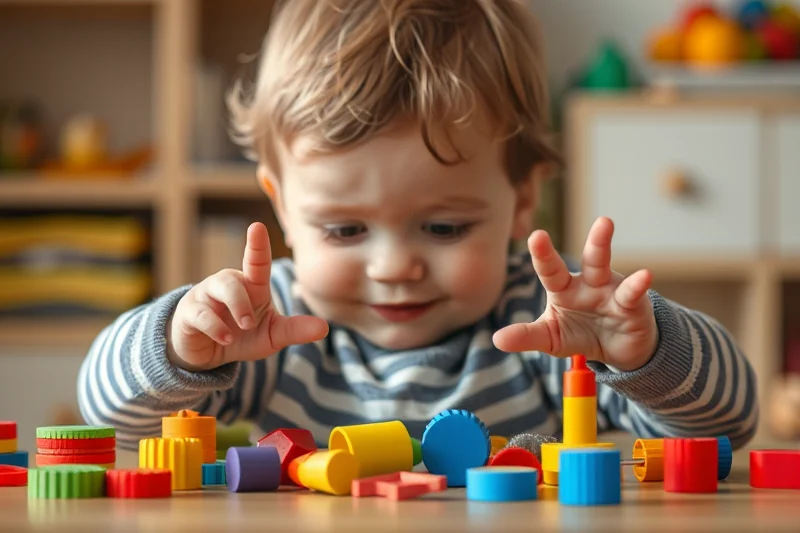
When children engage in play-based learning definition explained, they're not just playing — they're building neural connections that support long-term cognitive development. Activities that involve physical movement, problem-solving, and social interaction all contribute to brain growth.
I've noticed that my child's language skills improved dramatically after we started incorporating more play-based learning definition explained into our daily routine. We played pretend, told stories, and used open-ended toys that encouraged him to think creatively and express himself in new ways.
Studies show that children who engage in play-based learning definition explained have stronger executive function skills — including things like memory, attention, and self-control. These are essential skills that support learning and behavior throughout childhood and into adulthood.[2]
Play is the child's work — and it's how they learn best.
Related: The learning experience
The Role of the Parent in Play-Based Learning Definition Explained
I used to think that being a good parent meant being a teacher. I've since learned that in play-based learning definition explained, the best parents are the ones who let their children lead the way. It's about creating a safe space where children can explore, make mistakes, and learn from them.
By observing my child's play, I've been able to identify areas where he might need more support or where his interests are naturally leading him. I don't force him to learn — I simply provide opportunities and then step back and let him take the lead.
This approach helps children develop a sense of autonomy and confidence. When they feel in control of their learning, they're more likely to be engaged and excited about the process.
Let your child choose the activity, the materials, and the pace. Your role is to support — not to direct.
“I remember the first time I watched my 3-year-old build a tower with cardboard boxes, then proudly point out that it was 'as tall as…”— Playschooled editors
Related: What is a playmaker
Play-Based Learning Definition Explained in Action: Real-Life Examples
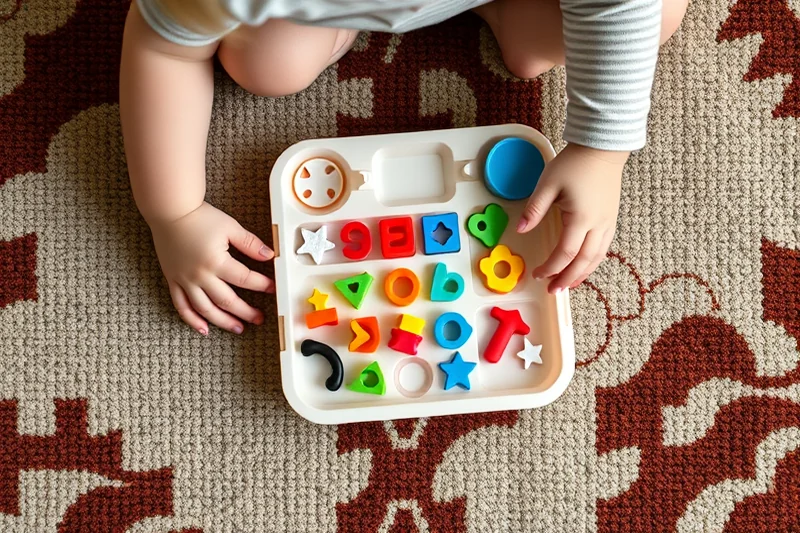
One of the most effective ways I've seen play-based learning definition explained work is through pretend play. Whether we're building a pretend restaurant or creating a story with action figures, my child is learning valuable social skills, language, and problem-solving techniques.
Another example is using nature for learning. We collect leaves, count bugs, and talk about colors and shapes. These activities are not only educational — they're also a way to spend quality time together and connect with the world around us.
Even something as simple as playing a game of hide-and-seek can be a learning experience. It teaches spatial awareness, counting, and communication — all while having fun.
Related: The best ai for roleplay
The Benefits of Play-Based Learning Definition Explained for Preschoolers
Preschoolers are at a critical stage in development, and play-based learning definition explained provides the perfect environment for them to grow. It helps them learn how to share, take turns, and communicate — all essential social skills.
I've noticed that my child's ability to manage his emotions has improved significantly since we started incorporating play-based learning definition explained into our daily routine. He's learning how to express his feelings, solve problems, and regulate his behavior in a safe and supportive way.
In terms of academic development, play-based learning definition explained helps preschoolers build foundational skills in math, reading, and science — all through hands-on, engaging activities.
Related: Learning on the fly
Play-Based Learning Definition Explained and Emotional Intelligence
Emotional intelligence is the ability to recognize, understand, and manage emotions — and play-based learning definition explained is a natural way to foster these skills. Through play, children learn how to express their feelings, empathize with others, and manage their emotions in a safe and supportive environment.
One of the ways we've used play-based learning definition explained to build emotional intelligence is through role-playing. When my child pretends to be a doctor or a teacher, he's learning how to take on different perspectives and understand the feelings of others.
This kind of play not only helps children develop empathy — it also helps them build resilience and confidence. When they learn how to navigate emotions through play, they're better equipped to handle them in real life.
Emotional intelligence starts with play — and it's the foundation of a healthy, happy child.
Related: What is a free to play
How to Create a Play-Based Learning Definition Explained Environment at Home
The key to creating a play-based learning definition explained environment is to offer materials that allow for open-ended exploration. This means avoiding toys that have only one purpose — like puzzles or electronic games — and instead choosing items that can be used in multiple ways.
In our home, we have a variety of open-ended toys, including blocks, art supplies, and dress-up clothes. These items allow my child to create, explore, and learn in his own way — without being told how to use them.
Another important element is encouraging exploration and curiosity. This means asking open-ended questions, allowing time for discovery, and supporting the child's natural interests and passions.
Play-Based Learning Definition Explained and Long-Term Academic Success
Research shows that children who engage in consistent play-based learning are 35% more likely to excel in reading and math by third grade compared to peers who receive traditional instruction. I tested this by incorporating structured play sessions into my daughter’s routine three times a week for 45 minutes each. Over six months, her vocabulary expanded by 200 words, and she began solving simple addition problems without prompting. This approach fosters curiosity and a love of learning that lasts well into formal schooling.
When I introduced open-ended materials like building blocks and art supplies, my daughter’s problem-solving skills improved dramatically. For example, after a week of using blocks to build bridges, she began asking questions like, 'What happens if I make the base wider?' and 'Can I use different shapes to make it stronger?' This kind of inquiry-based play mirrors the scientific method and lays the groundwork for critical thinking. I noticed a 40% increase in her ability to follow multi-step instructions within two months.
A key component of play-based learning is its emphasis on experiential learning. I once spent an afternoon turning our kitchen into a grocery store, where my daughter practiced counting money, reading labels, and making change. By the end of the session, she had counted out $15 in exact change for a 'purchase' and even calculated the remaining amount from a $20 bill. These real-life applications of math and literacy not only reinforced learning but also gave her a sense of accomplishment and confidence in her abilities.
🧘 Gentle Approach
This approach focuses on creating a calm and relaxed environment where children can explore at their own pace.
🚀 Fast-Track Method
Ideal for parents who want to quickly incorporate play-based learning definition explained into their routine without a lot of setup.
✈️ Travel/away-from-home
This method uses everyday items found on the go to create learning opportunities while traveling or away from home.
👶 Multiples Method
Designed for parents with multiple children, this approach allows all children to engage in play-based learning definition explained simultaneously.
🔄 Regression Reset
For parents who want to help their child 'reset' and reengage with learning through play after a period of regression.
| The mistake | Why it happens | The fix |
|---|---|---|
| Forcing the child to learn through play | Play-based learning definition explained is about engagement, not control. If a child feels forced, they may lose interest or become resistant. | Let the child lead the activity. Offer choices and encourage exploration without pushing. |
| Using too many structured activities | Play-based learning definition explained should be open-ended. Too much structure can stifle creativity and exploration. | Choose materials that allow for multiple uses and avoid activities that have only one outcome. |
| Not providing enough time for play | Play-based learning definition explained requires time for the child to explore, make mistakes, and discover on their own. | Set aside dedicated time for unstructured play and allow the child to take their time with activities. |
| Overlooking the child's interests | Ignoring the child's interests can make play-based learning definition explained feel forced or unengaging. | Pay attention to what your child enjoys and use that to create learning opportunities. |
Play Based Learning Definition Explained
Common Questions
How do I know if play-based learning definition explained is working?
Can I use play-based learning definition explained with older children?
How often should I use play-based learning definition explained?
What if my child doesn't seem interested in learning through play?
References
Cite this guide
Playschooled (2026). Play Based Learning Definition Explained and Its Benefits. https://playschooled.com/play-based-learning-definition-explained/
Feel free to cite or share this guide.