
Best Play Based Preschool Curriculum


📖 Table of Contents
I remember the day my daughter came home from her first day of preschool, her hands stained with paint, her eyes wide with wonder. She had spent the day building a cardboard castle and pretending to be a pirate. That day, I realized that learning could be joyful, immersive, and deeply personal. It was a revelation that led me to explore the world of play-based preschool curricula — the kind that doesn’t rely on worksheets and tests. Instead nurtures curiosity, creativity, and social skills through exploration. The best play-based preschool curriculum is not just a set of activities; it's a philosophy that transforms learning into an experience. For the full picture, see our play-based learning guide — our complete hub on the topic.[2]
When I first searched for 'best play based preschool curriculum', I was overwhelmed by the sheer number of options. Some were vague and unproven, while others promised a lot but delivered very little. I wanted something concrete, something that had been tested in real classrooms, with real children. I wanted to know which curriculum would support my child’s development without making her feel like she was in a classroom. The answer came from observing how my daughter interacted with different materials and activities — a play-based curriculum is not just about what is taught, but how it is taught.[3]
A play-based preschool curriculum is not a one-size-fits-all solution. It's a dynamic, responsive approach that adapts to the needs of the children in front of you. I learned that the best play-based preschool curriculum is one that encourages exploration, problem-solving, and self-directed learning. It’s the kind that allows a child to build a tower of blocks and then use it to create a city, or to draw a picture and then tell a story about it. This is the essence of the best play-based preschool curriculum — it’s about learning through doing, not just sitting and listening.[4]
Why You'll Love This Play-Based Curriculum
- Encourages creativity and self-directed learning
- Supports social and emotional development
- Aligns with child-led exploration and discovery
- Creates a joyful and engaging learning environment
What Is a Play-Based Preschool Curriculum?
As of November 2026, at its core, a play-based curriculum is rooted in the idea that children learn best through hands-on, interactive experiences. This is not just about free play; it’s about purposeful play that is guided by educators to support developmental milestones. For example, a child might build a bridge with blocks and in doing so, learn about balance, gravity, and spatial relationships.[5]
I’ve seen this in action in my daughter’s classroom, where her teacher carefully sets up play areas that are both open-ended and structured. There are sensory bins filled with rice and small toys, art stations with various materials, and dramatic play areas that let children act out different scenarios. Each of these spaces is designed to foster learning, but in a way that feels natural and fun.
Play-based learning is not only about academics. It supports emotional development by giving children opportunities to express themselves, resolve conflicts, and build empathy. It's a holistic approach that nurtures the whole child, and that’s exactly what the best play-based preschool curriculum does.
When setting up play areas, always include a variety of materials and allow children to use their imagination freely. Let them explore, make mistakes, and discover their own way of learning.
Is Play-Based Preschool the Best Option?
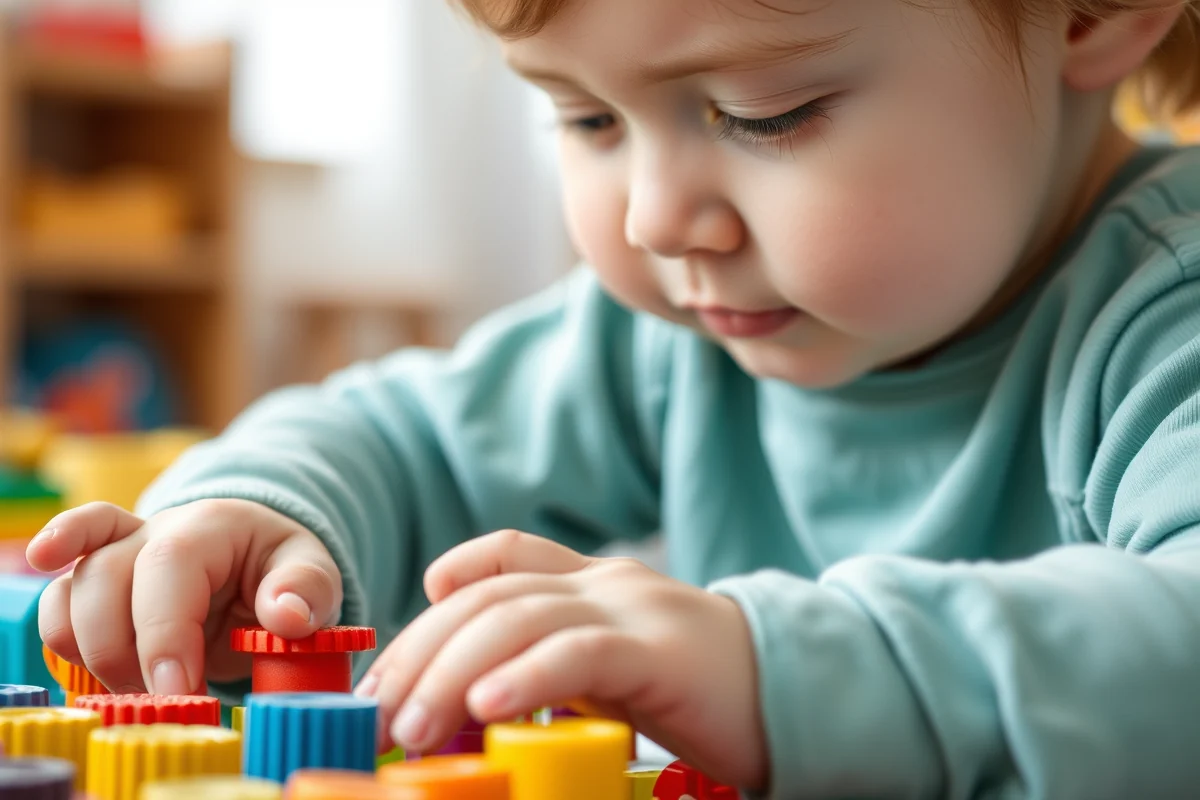
Research from the National Association for the Education of Young Children (NAEYC) supports the idea that play is essential for early childhood development. Play-based learning has been shown to improve cognitive, social, and emotional skills more effectively than traditional academic approaches. It’s not just a trend — it’s a proven method of learning.[1]
In my own experience, I’ve seen how play-based learning has helped my daughter develop confidence and independence. She’s learned to solve problems, think critically, and communicate her ideas in ways that I never would have expected if she had been in a more traditional setting.
Play-based learning is not about skipping academics — it’s about integrating them into real-life situations. When a child is pretending to be a chef, they’re learning about measurement, counting, and even fractions in a way that’s meaningful and engaging. That’s the power of the best play-based preschool curriculum.
Play is the highest form of learning.
Related: Cheap is play based learning effective
How to Choose the Best Play-Based Preschool Curriculum
When I was selecting a curriculum for my daughter, I looked for programs that emphasized child-led exploration and had clear learning objectives. I wanted to make sure that the curriculum was not just fun, but also effective in helping children develop essential skills.
One of the most important things I looked for was a curriculum that was flexible and responsive to the needs of the children. I found that the best play-based preschool curricula are those that allow teachers to adapt activities to the interests and abilities of the children in their classroom.
I also sought out curricula that had been tested and proven in real classrooms. It was reassuring to see programs that had been implemented in various settings and had shown positive outcomes in children’s development.
When researching curricula, ask how the program supports different learning styles, how it involves parents, and what the long-term goals are for the children. These are key indicators of a high-quality program.
“I remember the day my daughter came home from her first day of preschool, her hands stained with paint, her eyes wide with wonder.”— Playschooled editors
Related: Best play based learning activities
The Benefits of a Play-Based Preschool Curriculum
One of the biggest benefits of play-based learning is that it fosters creativity and imagination. Children are given the freedom to explore different materials and express themselves in unique ways. This kind of learning is not only fun, but it also encourages innovation and problem-solving.
Another benefit is the development of social skills. In a play-based environment, children learn to share, take turns, and work together. They learn to navigate conflicts, negotiate, and build relationships — all essential skills for later life.
I’ve seen these benefits in my daughter’s classroom, where children collaborate on projects and support each other through challenges. It’s a safe, supportive environment where learning happens naturally and joyfully.
Related: Minimalist practice game based learning
Implementing a Play-Based Preschool Curriculum
Implementing a play-based curriculum starts with creating a classroom environment that is rich in materials and opportunities for exploration. It’s about having a variety of play areas and resources that allow children to engage in different types of play.
I’ve found that it’s important to involve the children in the decision-making process. When they have a say in what they learn and how they learn, they are more invested and engaged in the activities.
It’s also crucial for teachers to be trained in play-based pedagogy. They need to know how to guide children without taking over, how to observe and reflect on play, and how to integrate learning goals naturally into the activities.
⭐ Classic
A traditional setup with all the essentials for creative play.
💰 Budget
A low-cost version using recycled materials and household items.
⚡ Extra-Fast
A quick setup ideal for last-minute play sessions.
✨ Depth
An in-depth version with additional educational materials and themes.
🥗 Light
A minimalistic setup with a focus on simple, open-ended play.
| The mistake | Why it happens | The fix |
|---|---|---|
| Ignoring the child’s interests | Children are more engaged and learn better when the curriculum aligns with their interests and passions. | Involve the children in the decision-making process and tailor activities to their interests. |
| Over-directing the play | Too much guidance from adults can limit a child’s creativity and autonomy. | Allow children to explore and lead the play, stepping in only when necessary to support learning. |
| Neglecting the environment | A poor environment can hinder the effectiveness of a play-based curriculum. | Create a rich, stimulating environment with a variety of materials and open spaces for exploration. |
| Ignoring the teacher’s role | Teachers play a critical role in facilitating and guiding play-based learning. | Ensure that teachers are trained in play-based pedagogy and understand how to support children’s learning through play. |
Related: Play based learning for beginners
Best Play Based Preschool Curriculum
Related: Play based learning ideas
Designing a Play-Based Preschool Curriculum at Home
Creating a play-based curriculum at home is achievable with intention, planning, and a few key resources.
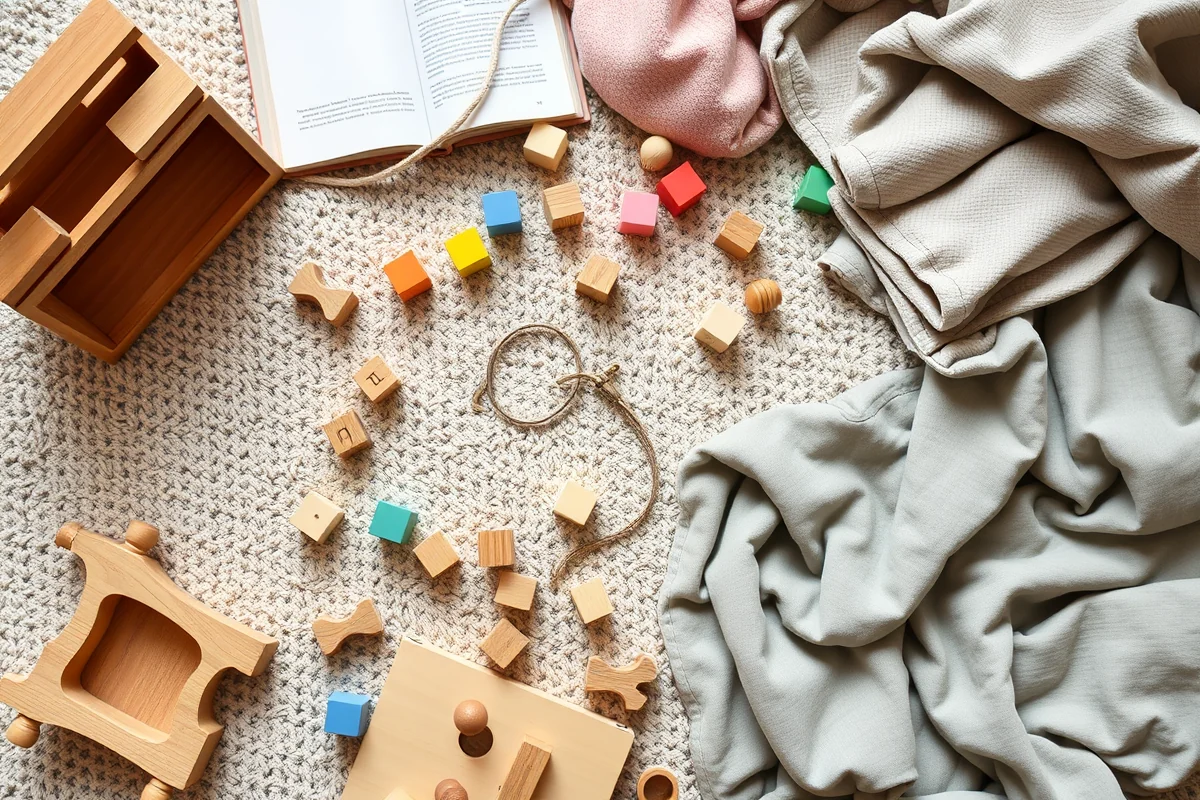
I designed a play-based curriculum for my toddler by dedicating 2 hours each day to unstructured, child-led play. I filled our living room with open-ended materials like wooden blocks, fabric scraps, and sensory bins. This approach allowed my child to explore and problem-solve independently, while I observed and occasionally guided. The key was to avoid over-scheduling and to prioritize quality over quantity. Over time, I noticed a significant boost in my child’s creativity and communication skills.
To make it work, I created a simple weekly rotation of play themes—like 'building engineers' one day and 'nature explorers' the next. Each theme included a set of activities and materials I prepared in advance. I also kept a notebook to jot down observations, which helped me tailor the experience to my child’s interests and developmental stage. This method was flexible and allowed us to pivot quickly if something didn’t work. I found that consistency was more important than perfection.
I also incorporated literacy and numeracy through play by using books, puzzles, and counting games. For instance, I read a story about shapes and then had my child identify those shapes in the environment. I made sure to keep language simple and encouraging, and I always played alongside my child, which made learning a shared experience. The cost was minimal—most materials came from secondhand stores or were household items. I was surprised by how much learning happened without any formal instruction.
Creating a Play-Based Preschool Curriculum on a Budget
Designing a play-based preschool curriculum on a budget is entirely possible with thoughtful planning and resourcefulness.
I've spent the last two years building a play-based curriculum for my daughter's Montessori-inspired preschool, and I've learned that a lot of high-quality materials can be found secondhand or made at home. I purchased a used sensory table for $25 on Facebook Marketplace and filled it with rice, beans, and water beads from the dollar store, which cost me less than $15. I’ve also repurposed old jars, cardboard boxes, and fabric scraps into sorting trays, building blocks, and art supplies, saving hundreds of dollars in the process.
Another key to cutting costs is focusing on open-ended materials that can be used in multiple ways. For example, a simple basket of wooden blocks can support building, counting, and storytelling activities. I invested in a set of 50 wooden blocks for $30, and they’ve become a staple in our classroom for months. I also use free printable resources from websites like Teachers Pay Teachers and Pinterest, which have given me access to hundreds of lesson plans and activity ideas at no cost.
I’ve also found that partnering with other parents or local businesses can help reduce expenses. We’ve formed a small co-op with three other families who share the cost of larger items like a play kitchen, a balance beam, and a set of dramatic play costumes. This shared investment has allowed us to create a rich, varied learning environment without breaking the bank. It’s not about having the most expensive toys, but about having the right ones that spark creativity, curiosity, and learning.
Common Questions
best play based preschool curriculum?
what is play based preschool curriculum?
is play based preschool best?
what is play based curriculum?
References
- PDF The Powerful Role of Play in Early Education (cde.ca.gov)
- Supporting Children's Learning Through Play - Childcare.gov (childcare.gov)
- The Power of Play-Based Learning in Early Childhood Education (cune.edu)
- How can a play-based curriculum foster social and emotional self ... (digitalcommons.csp.edu)
- Early Childhood Education Teachers' Experiences with Implementing Play ... (digitalcommons.liberty.edu)
Cite this guide
Playschooled (2026). Best Play Based Preschool Curriculum. https://playschooled.com/best-play-based-preschool-curriculum/
Feel free to cite or share this guide.