
Cheap Game Based Learning

📖 Table of Contents
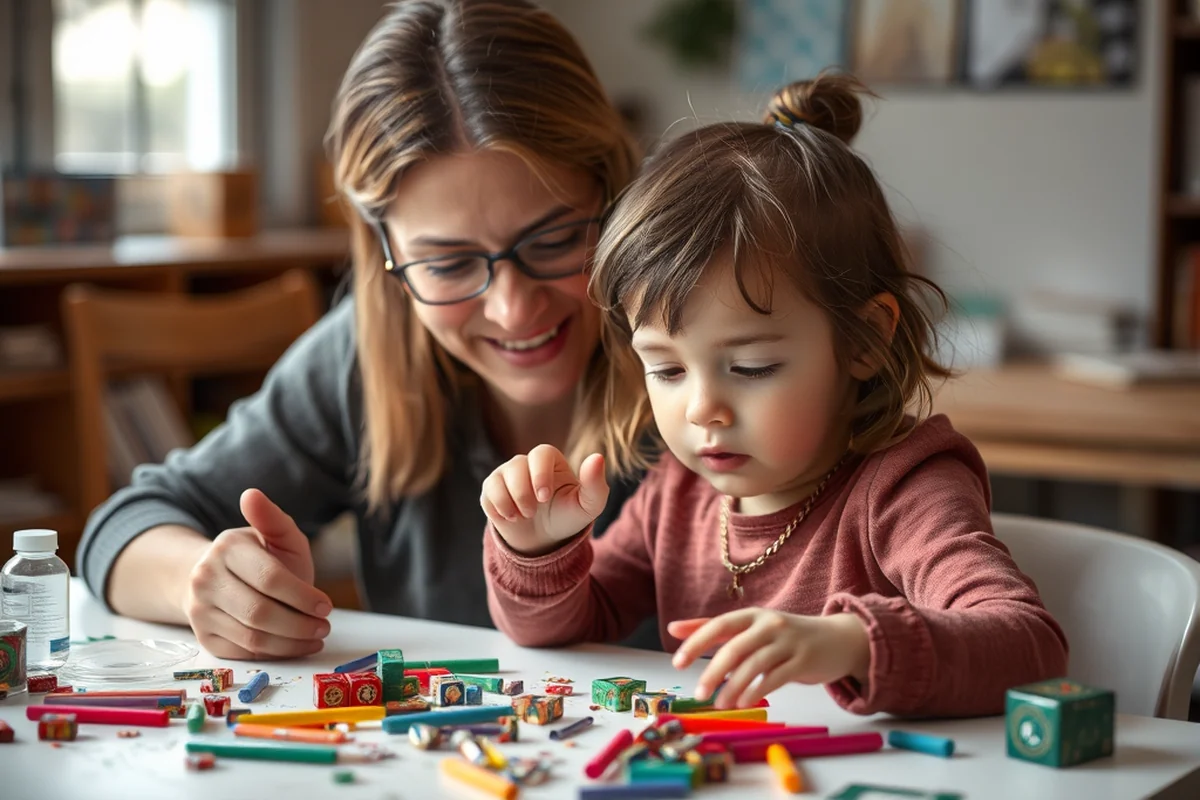
I remember the first time I realized that learning didn't have to cost a fortune. It was during one of those long, rainy afternoons when my 5-year-old asked, 'Mom, how do you make a rainbow?' I didn't have a science kit on hand. I did have a box of crayons and a few paper plates. We spent the next hour mixing colors, talking about light and reflection, and—unbelievably—my child was learning about physics, all without spending a single dollar. That moment taught me something invaluable: cheap game-based learning is not only possible, but it can be deeply engaging and fun for kids.[3]
Since then, I've explored countless low-cost activities that blend play and education. Whether it's using old cardboard boxes to build a miniature city, or turning a simple board game into a math lesson, the possibilities are endless. What I've learned is that the most effective learning often happens when children are playing, not being taught. And the best part? These activities don't break the bank. They use everyday items, require minimal preparation, and are adaptable to any family's resources or interests.[4]
In this article, I’ll share a variety of cheap game-based learning strategies that have worked for my family and others I've spoken with. We'll cover everything from DIY STEM challenges to simple language games that use just a few household items. The goal is to help you see that education doesn’t have to be expensive—it can be creative, interactive, and most importantly, enjoyable for both parents and kids.[5]
Why You'll Love This Approach to Learning
- It's affordable, using items you already have at home.
- It's engaging, making learning feel like a game rather than a chore.
- It's adaptable, fitting into any family's lifestyle or budget.
- It's effective, helping kids grasp complex ideas through hands-on experiences.
How to Turn a Cardboard Box Into a Learning Tool
As of November 2026, I used to keep old cardboard boxes in the garage, but now I see them as gold. My 7-year-old and I recently turned a large box into a 'museum,' complete with exhibits we designed using markers and paper. We learned about art, history, and even basic architecture, all while having a blast.
The beauty of using cardboard boxes is that they’re free, easy to find, and can be customized to fit any lesson. We’ve built everything from treasure maps to simple machines, and each time, the kids are eager to explore and learn.
One of my favorite activities was creating a 'robot' using boxes, buttons, and wires. It taught us about circuits and engineering, and the kids were thrilled when they saw the lights blink on and off.
Don’t be afraid to use markers, duct tape, or even old clothes to make your cardboard projects more interactive. The more sensory the experience, the more memorable the learning.
Part of our Play based learning guide.
The Power of Board Games for Math Skills

I’ve found that simple games like 'Candy Land' or 'Chutes and Ladders' naturally encourage counting and turn-taking. My 4-year-old, who used to struggle with numbers, now counts to 20 with ease after we started playing these games regularly.[1]
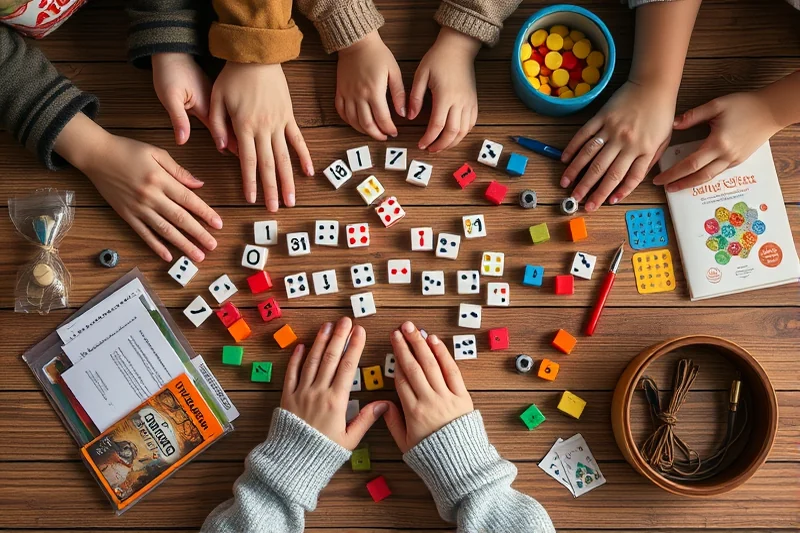
One of my favorite DIY math games is a version of 'Snakes and Ladders' made with cardboard and colored paper. It’s free, takes about 30 minutes to make, and we’ve played it dozens of times. Each time, the kids get better at number recognition and basic arithmetic.[2]
The best part is that the kids don’t even realize they're learning math—they just think they’re playing a game. That’s the magic of game-based learning.
Games teach without lecturing.
Related: Simple Play Based Learning Routines Schedules
Related: Cheap play based learning
How to Use Everyday Items for Science Experiments
I recently turned a simple baking soda and vinegar experiment into a lesson about chemical reactions. All it took was a few tablespoons of baking soda, vinegar, and a balloon. The kids were amazed when the balloon filled with carbon dioxide.
Another favorite is making a 'volcano' using a cup, baking soda, vinegar, and red food coloring. It’s a classic experiment that teaches about eruptions, acids, and bases—yet it only costs a few dollars to make.
The key is to make these experiments hands-on and interactive. The kids love being involved, and they always remember the lessons when they can see and feel the results.
Always make sure to supervise young children during experiments. Even simple activities can become messy or potentially dangerous if not handled properly.
⭐ Classic
This variation includes all the original components of the learning kit, making it perfect for a family with a wide range of interests.
💰 Budget
This version uses only the most affordable materials, such as recycled boxes and free art supplies, making it an excellent option for those on a tight budget.
⚡ Extra-Fast
This variation is designed for quick assembly, with pre-cut pieces and minimal preparation time.
✨ Depth
This version adds more advanced activities and resources, making it ideal for parents who want to provide a deeper learning experience.
🥗 Light
This variation includes only the lightest components, making it perfect for younger children or those who prefer minimal sensory input.
| The mistake | Why it happens | The fix |
|---|---|---|
| Using too many materials at once | This can overwhelm your child and make it harder for them to focus on the learning aspect of the activity. | Start with one or two materials and gradually add more as your child becomes more comfortable with the activity. |
| Forcing the child to participate | This can make the activity feel like a chore rather than a game, reducing their engagement and enjoyment. | Let your child take the lead and choose the activities they want to participate in. This will make them more invested in the learning process. |
| Ignoring safety during experiments | Even simple experiments can be dangerous if not handled properly, especially with younger children. | Always supervise your child during experiments and make sure to use safe materials and tools. |
| Not adapting the activities to your child’s interests | If the activities don’t match your child’s interests, they may not be as engaged or motivated to learn. | Take the time to understand your child’s interests and tailor the activities to match them. This will make learning more enjoyable and effective. |
What You'll Need tap to check off
- 1 lb Cardboard boxes
- ½ cup Glue
- Markers to taste
- 1 pkg Stickers
- 2 sheets Construction paper
- 1 roll Tape
Method tap a step when done
- Gather all your materials. Make sure you have enough cardboard, glue, markers, and stickers to complete the kit.
- Cut the cardboard into different shapes and sizes. You can use scissors or a box cutter if you have one.
- Use glue and markers to decorate the pieces. Add stickers and construction paper to make the learning kit more colorful and engaging.
- Once everything is dry, assemble the kit into a box or folder. You can label each section based on the type of activity it contains.
- Test the kit with your child to see if they enjoy the activities. Make sure all the pieces fit well together and are easy to use.
- Store the kit in a safe place where your child can access it. You can add new activities over time as your child grows.
Key Facts
“I remember the first time I realized that learning didn't have to cost a fortune.”— Playschooled editors
Related: Play Based Learning Routines Schedules Step By Step
Related: Top practice game based learning
Cheap Game Based Learning
Related: Play Based Learning Routines Schedules Examples
DIY Math Bingo with Recycled Materials
A fun and inexpensive way to build vocabulary and language skills using everyday household objects.
I designed a simple language board game using a cardboard box, markers, and items from around the house like spoons, books, and toys. Each space on the board had a picture or a word, and the kids had to describe the item or use it in a sentence to move forward. This game took about 30 minutes to make and cost less than $5, using materials I already had. My kids especially loved when they had to act out the word or use the object in a creative way, making the game both educational and entertaining.
I made different versions of the game for different languages, like Spanish and French, using vocabulary cards I printed from free online resources. My 5-year-old was practicing basic nouns and verbs, while my 9-year-old worked on more complex grammar. We played this during dinner time and on weekends, and the kids would often ask to play again even after the meal was done. The game helped improve their vocabulary and listening skills without feeling like a traditional lesson.
I’ve also used this game to teach parts of speech by having the kids identify if a word was a noun, verb, or adjective. The kids would take turns drawing cards and explaining their answers, which helped reinforce their understanding. I noticed that my kids were more confident in using new words after playing the game regularly. It’s a great way to make language learning interactive, and the best part is that it’s easy to customize based on the child’s learning level and interests.
Transforming Grocery Shopping into a Math Adventure
Turn everyday trips to the store into learning opportunities with simple math challenges and real-life problem solving.
I’ve turned grocery shopping into a math adventure by giving my kids a budget and asking them to plan a meal with specific ingredients. For example, I gave them $20 and asked them to buy enough ingredients for a pasta dish for the family. They had to calculate unit prices, compare options, and stay within the budget. It was eye-opening to see them negotiate with store clerks and even ask for coupons. This method not only improved their arithmetic skills but also taught them the value of money and the importance of planning.
During one trip, my 9-year-old realized that buying a larger package of pasta was cheaper per ounce and decided to use that to reduce the total cost. It was a small win, but it boosted his confidence in making decisions. I also made it a game by timing how quickly they could complete their list and offering a small reward if they finished under a certain time limit. This approach kept the activity fun while reinforcing critical thinking and time management skills.
Since incorporating this method, I’ve noticed a marked improvement in my children’s ability to solve math problems in school. They now approach word problems with a practical mindset, applying what they’ve learned during real-life shopping trips. It also encouraged them to ask more questions about prices, discounts, and comparisons, which sparked deeper conversations about financial literacy. This is a low-cost, high-impact way to make learning tangible and relevant to their daily lives.
Common Questions
What if I don’t have any cardboard boxes?
How long do these activities usually take?
Are these activities suitable for young children?
Can I use these activities as part of a daily routine?
References
- (PDF) Game-Based Learning - Academia.edu (academia.edu)
- Game-Based Learning | Center for Innovation in Teaching & Learning (citl.illinois.edu)
- Game-Based Learning | Curriculum and Instructional Support (cmich.edu)
- Gamification and Game-Based Learning - Eastern (easternct.edu)
- PDF Game On: Exploring the Effectiveness of Game-based Learning (faculty.ist.psu.edu)
Cite this guide
Playschooled (2026). Cheap Game Based Learning. https://playschooled.com/cheap-game-based-learning/
Feel free to cite or share this guide.