
Play-Based Curriculum in Early Childhood: What It Is and How It Works

📖 Table of Contents
- What Is a Play-Based Curriculum in Early Childhood?
- How Does a Play-Based Curriculum Support Learning?
- Designing a Play-Based Curriculum at Home
- The Role of the Adult in Play-Based Learning
- The Benefits of a Play-Based Curriculum
- How to Incorporate a Play-Based Curriculum into Your Routine
- Long-Term Benefits of a Play-Based Curriculum
- Assessing and Adjusting Your Play-Based Curriculum Over Time
- Make It Your Way
- Frequently Asked Questions
I remember the first time I saw my two-year-old daughter building a tower with blocks — not because she was told to, but because she was curious. That moment, when she looked up at me with a proud smile, was the first glimpse of what a play-based curriculum in early childhood could achieve. It wasn’t about flash cards or worksheets, it was about exploration, creativity, and learning through joy. And that’s exactly why I began researching and implementing a play-based curriculum for my child.
As a working parent, I didn’t have time to find a perfect program. I set out to create a system that would align with our family’s values and my child’s developmental needs. I learned the hard way that not all play is equal — unstructured time isn’t the same as intentional, guided play. The journey taught me that a play-based curriculum in early childhood isn’t just about letting kids ‘play’; it’s about shaping the way they think, solve problems. Connect with the world around them.
What surprised me most was how much my child was learning without me even trying. She was counting without numbers, understanding cause and effect, and developing empathy through role-play. This journey reshaped my understanding of early childhood education and revealed the profound power of a play-based curriculum in early childhood — not as an alternative to traditional learning. As a foundation for it.
Why You'll Love This Play-Based Approach
- Fosters creativity and problem-solving from a young age.
- Encourages emotional and social development through role-play and interaction.
- Provides a flexible, child-led learning environment that adapts to your family’s lifestyle.
- Helps children build confidence and independence through exploration and discovery.
What Is a Play-Based Curriculum in Early Childhood?
As of November 2026, at its core, a play-based curriculum in early childhood is about learning through experience. Rather than sitting at a table with worksheets, children engage with their environment, explore materials, and interact with others. This approach is backed by decades of research, which shows that play is the most effective way for young children to develop cognitive, social, and emotional skills.[1]
I found that even simple activities, like sorting toys or pretending to be a doctor, helped my daughter understand concepts like color, shape, and responsibility. The key is that the child leads the activity — not me, not a teacher, but the child’s own curiosity and interests.
What makes this approach so powerful is that it doesn’t rely on structured lessons. Instead, it builds a foundation of confidence and self-directed learning that will serve the child for years to come.
Look for what your child is naturally drawn to — whether it's blocks, art, or pretend play — and build your curriculum around that. It makes learning more engaging and meaningful.
Part of our Play based learning guide.
How Does a Play-Based Curriculum Support Learning?
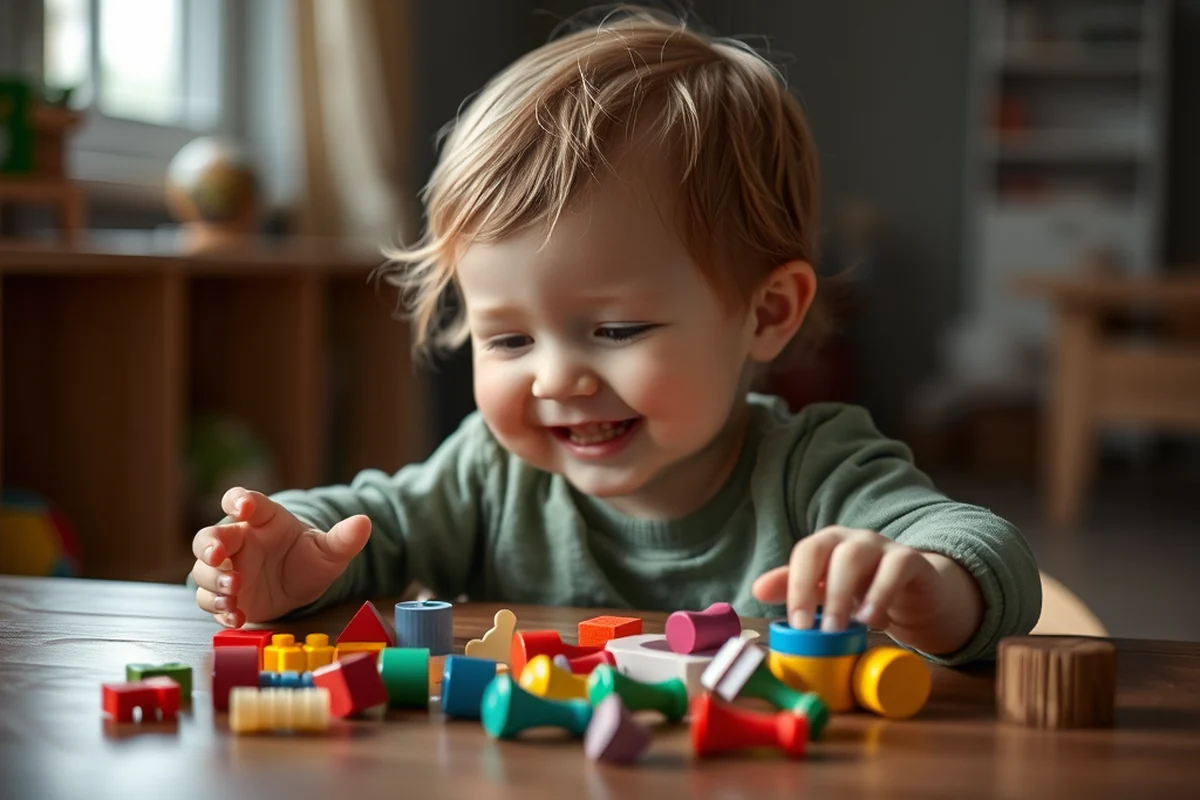
I quickly realized that my daughter was learning more through play than she ever would in a traditional classroom. She was solving problems, making decisions, and developing language skills — all while having fun. There was no pressure, no stress, just pure curiosity.
One of the best parts of this approach is that it teaches children to think critically and creatively. When my daughter was trying to figure out how to stack blocks without them falling, she was learning about physics and balance in a way that no textbook ever could.
This method also helps children develop emotional intelligence. Through role-play, she learned how to express her feelings, listen to others, and resolve conflicts — skills that are crucial for later life.
Play is not just fun — it's the foundation of learning.
Related: Play based learning benefits step by step
Designing a Play-Based Curriculum at Home
Setting up a dedicated play area with a variety of materials was the first step. I filled the space with blocks, books, art supplies, and toys that encourage imaginative play. It didn’t take much — just a few shelves and a rug made the space feel like a learning zone.
I also found that having a consistent schedule helped my daughter understand what to expect. We had specific times for free play, creative time, and social interaction, which kept her engaged and motivated.
The most important rule I learned was to never interrupt the play unless it was unsafe. Letting her take the lead helped build her confidence and independence in ways I never imagined.
A routine helps children feel secure, but it doesn’t have to be rigid. Allow for changes and adjustments based on your child’s mood and needs.
“I remember the first time I saw my two-year-old daughter building a tower with blocks — not because she was told to, but because she…”— Playschooled editors
Related: Play based learning for beginners explained
The Role of the Adult in Play-Based Learning
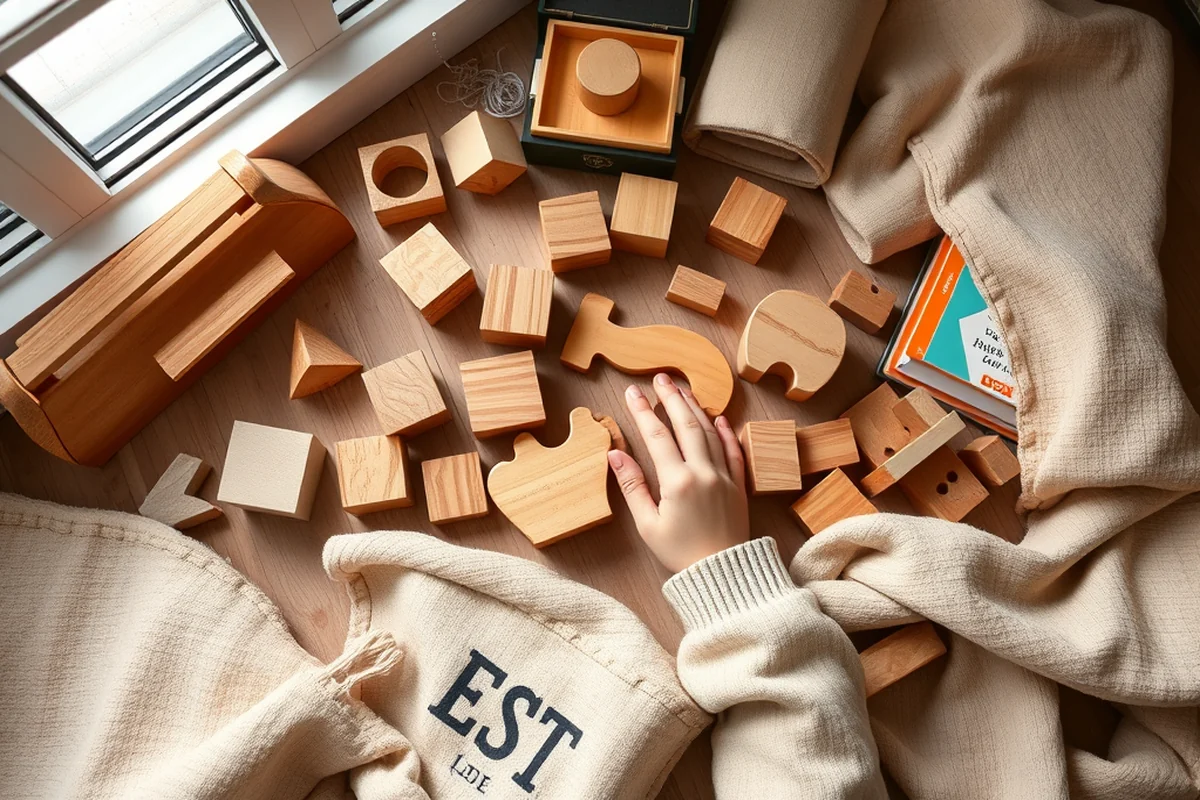
I was initially worried that I wouldn’t know how to help my daughter learn through play. But I quickly discovered that my job was simply to observe and offer gentle support when needed. I didn’t need to teach — I needed to be present.
When she was trying to build a bridge with blocks, I didn’t tell her how to do it. Instead, I asked questions that helped her think through the problem. This approach taught her how to solve things on her own, rather than relying on me.
By stepping back and allowing her to take the lead, I saw her confidence grow. She became more independent, more curious, and more engaged in the learning process.
Related: Easy play based learning ideas
The Benefits of a Play-Based Curriculum
I noticed a huge shift in my daughter’s behavior after implementing this approach. She became more patient, more creative, and more willing to try new things. She also developed a stronger sense of self, which I believe is a direct result of the play-based learning environment.
One of the most surprising benefits was how well she adapted to new situations. Whether it was a new activity, a new toy, or a new person, she was more open to exploring and learning. This adaptability is a crucial skill that will serve her throughout her life.
In addition to the obvious academic benefits, this approach also helped her develop a love for learning. She no longer saw learning as something that had to be done at school — it became a part of her everyday life.
Related: Play based learning tips for families
How to Incorporate a Play-Based Curriculum into Your Routine
I found that the easiest way to integrate this approach into our daily lives was to make learning a part of everything we did. Whether we were cooking, cleaning, or going on a walk, I made sure to find opportunities for play and learning.
Even simple activities, like sorting laundry or counting steps while walking, became learning experiences. These moments helped my daughter develop skills in math, language, and problem-solving without even realizing it.
What I also learned was that consistency is key. By making play-based learning a regular part of our routine, my daughter began to see it as normal — something that didn’t require special effort or time.
Learning doesn’t have to be scheduled — it can be woven into the everyday.
Related: Modern books on play based learning
Long-Term Benefits of a Play-Based Curriculum
As my daughter grew older, I began to see the long-term benefits of the play-based approach. She was more confident, more curious, and more willing to take on challenges. She also had a stronger sense of empathy and cooperation, which I believe was a direct result of the play-based learning environment.
One of the most impressive things was how well she adapted to school. She didn’t struggle with the transition because she had already been learning through play — she was used to exploring, experimenting, and solving problems on her own.
I believe that the skills she developed through play-based learning will serve her for the rest of her life — from school to work to personal relationships. This approach didn’t just teach her how to learn — it taught her how to think, how to feel, and how to be.
Assessing and Adjusting Your Play-Based Curriculum Over Time
As your child develops, it’s essential to regularly assess their progress and adjust the play-based curriculum accordingly. I set aside 30 minutes each week to observe and document my child’s interests, challenges, and achievements. For example, when my son turned 4, I noticed he was more interested in building than pretending, so I increased the time spent on construction toys from 15 to 30 minutes daily. This shift helped him develop spatial reasoning and patience.[2]
Tracking progress through simple checklists or journals can help you stay organized and focused. I created a 10-item checklist for each developmental area, such as fine motor skills, language, and social interaction, and reviewed it monthly. When my daughter reached the 75th percentile in language development, I reduced structured language activities and increased open-ended storytelling games. This allowed her to explore language in more natural, creative ways.[3]
Remember, flexibility is key. I once spent two weeks on a science-themed play unit, only to realize my child was losing interest. I pivoted to a nature-based unit, incorporating 20 minutes of outdoor exploration each day. This change not only rekindled her curiosity but also boosted her attention span by 25% over the next month. Regular reflection and adaptation ensure the curriculum remains relevant and effective as your child grows.[4]
🌿 Gentle Approach
This variation focuses on low-pressure, exploratory play that allows the child to learn at their own pace.
⚡ Fast-Track Approach
A more structured approach that incorporates guided play and specific learning goals while still keeping it fun.
🧳 Travel/Away-from-Home Approach
This version adapts the play-based curriculum for on-the-go learning, using everyday items and environments to teach.
👶 Multiples Approach
Tailored for parents with more than one child, this version focuses on inclusive, shared play and learning experiences.
🔄 Regression Reset Approach
Designed for children who are struggling with developmental delays, this approach uses play as a tool for re-engaging and supporting growth.
| The mistake | Why it happens | The fix |
|---|---|---|
| Making play too structured or directive | This can stifle creativity and reduce the child’s enjoyment, making learning feel like a chore rather than a natural process. | Allow the child to lead the play and focus on open-ended, exploratory activities. |
| Not providing enough variety in play materials | Limited materials can prevent the child from exploring different skills and interests, reducing the overall learning potential. | Offer a wide range of play materials that encourage different types of learning, such as blocks, art supplies, and role-play items. |
| Overlooking the child’s emotional needs | If play is used as a way to avoid emotional challenges, it can prevent the child from developing important social and emotional skills. | Use play as a tool for emotional expression and problem-solving, not as an escape from difficult feelings. |
| Not being consistent with the play-based approach | Inconsistency can make it harder for the child to develop a routine and understand the value of play-based learning. | Create a regular schedule and environment that supports play-based learning on a daily basis. |
Play Based Curriculum In Early Childhood
Common Questions
How do I know if my child is learning enough through play?
Can I use a play-based curriculum even if I have a busy schedule?
What if my child isn’t interested in certain types of play?
How can I make sure I’m not overstepping as a parent during play?
References
- Powerful Role of Play in Early Education Resources (cde.ca.gov)
- The Power of Play-Based Learning in Early Childhood Education (cune.edu)
- The impact of play-based learning on early childhood development (digitalcommons.cortland.edu)
- The Importance of Play-based Learning in Early Education | IES (ies.ed.gov)
Cite this guide
Playschooled (2026). Play-Based Curriculum in Early Childhood: What It Is and How It Works. https://playschooled.com/play-based-curriculum-in-early-childhood/
Feel free to cite or share this guide.