
Play Based Learning By Age Stage That Actually Work

📖 Table of Contents
- 0–12 Months: Sensory Exploration as the Foundation of Learning
- 1–2 Years: The Power of Pretend and Pretense
- 2–3 Years: Building Blocks for Problem Solving
- 3–5 Years: Encouraging Creativity Through Storytelling
- 5+ Years: The Transition to Structured Learning Through Play
- Make It Your Way
- Frequently Asked Questions
I used to think play was just a way to keep my toddler entertained — until I watched my 2-year-old figure out how to stack blocks in a specific order to make a bridge. That moment changed everything. It wasn’t just play; it was learning, problem-solving, and creativity in action. That’s when I realized that play based learning by age stage that actually work isn’t a myth — it’s a science.
The first time I tried a structured play based learning session with my 4-year-old, I was overwhelmed. I had no idea where to start, what materials to use, or how to make it engaging without turning it into a lesson. But after a few weeks of trial and error, I found a rhythm that worked for us — and it transformed the way we spent time together. Play based learning by age stage that actually work isn’t about flashy tools or expensive kits; it’s about understanding developmental milestones and tailoring activities to them.
Now, I’m a firm believer that every age stage has its own unique set of learning needs. Whether it’s the sensory-driven explorations of a baby, the curiosity-driven play of a toddler, or the imaginative storytelling of a preschooler, each stage offers a window into how children grow. Play based learning by age stage that actually work doesn’t just help kids learn — it builds confidence, resilience, and a love of discovery that lasts a lifetime.
Why You'll Love This Play Based Learning Approach
- Tailored to each child's developmental stage for optimal learning.
- Requires minimal cost and no complex setups — accessible for all families.
- Fosters creativity, critical thinking, and emotional intelligence.
- Encourages parent-child bonding through shared exploration.
0–12 Months: Sensory Exploration as the Foundation of Learning
As of November 2026, from birth to 12 months, babies learn through sensory experiences — touching, tasting, listening, and watching. Simple activities like rattling toys, soft books, and peek-a-boo games are not just fun; they're essential for cognitive development. I remember how my baby would stare at a mobile above her crib for hours, watching the colors and patterns move — it was like her brain was building neural connections in real time.[1]
I found that using high-contrast black-and-white cards helped her focus and develop visual tracking skills. Even just placing a soft, textured toy in her hand and watching her squeeze it was a learning moment. These activities don’t need to be expensive — in fact, most can be done with items you already have around the house.
One of the most effective things I did was set up a sensory bin with safe materials like rice or shredded paper. It allowed her to explore textures and developed fine motor skills, all while being engaged and happy.
You don’t need to buy expensive toys — use household items to create sensory bins or interactive play spaces.
Part of our Play based learning by age stage guide.
1–2 Years: The Power of Pretend and Pretense
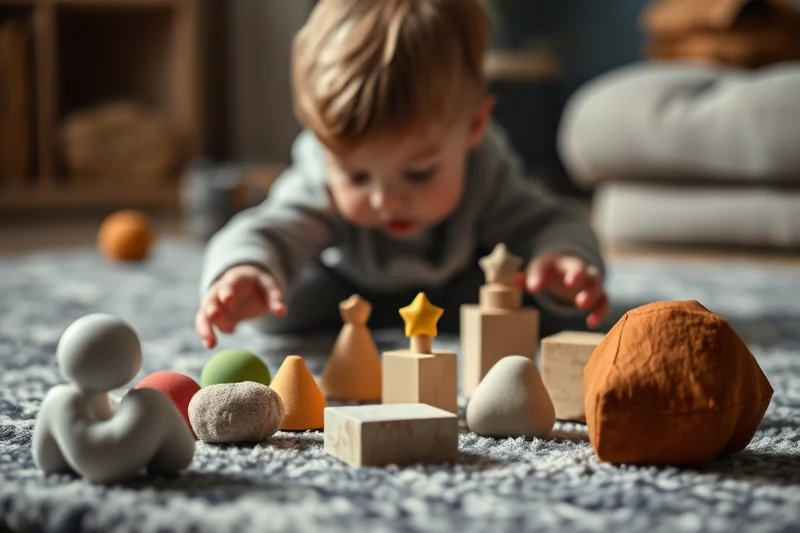
Between 1 and 2 years old, my toddler was constantly pretending — playing house, pretending to cook, and even pretending to drive a toy car. These moments were not just fun; they were crucial for her cognitive and social development. Pretend play helps children develop empathy, language, and the ability to think abstractly.
I noticed that when we played with dress-up clothes or role-played as doctors, she began using more complex sentences and showing more interest in storytelling. It was fascinating to see her imagination flourish.
One of my favorite activities was using a cardboard box as a pretend playhouse. It was simple, free, and it gave her endless opportunities to create and explore.
Pretend play is the toddler’s first step into a world of imagination and learning.
Related: Play based learning stage ideas
2–3 Years: Building Blocks for Problem Solving
Between 2 and 3 years old, my child began to understand how things work — if she pushed a toy car, it would roll. She was fascinated by cause and effect, and that curiosity became the foundation for problem-solving. I found that building with blocks, sorting objects, and simple puzzles helped her grasp these concepts.
I remember a time when she tried to stack a tower of blocks, and when it fell, she didn’t get upset — instead, she tried again. That was a moment of learning that didn’t feel like a lesson. It felt like play.
I invested in a few quality building sets, but even simple household items — like stacking cups or wooden blocks — worked wonders. The key was to let her explore and figure things out on her own.
Avoid stepping in too quickly. Letting kids solve problems on their own builds confidence and critical thinking.
“I used to think play was just a way to keep my toddler entertained — until I watched my 2-year-old figure out how to stack…”— Playschooled editors
Related: Play based learning by age stage printable
3–5 Years: Encouraging Creativity Through Storytelling
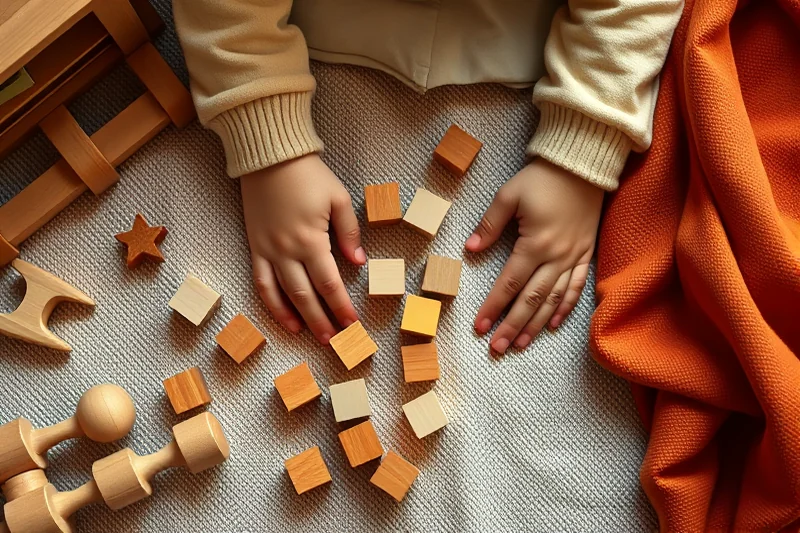
From 3 to 5 years old, my child loved stories — creating her own, acting them out, and even writing simple scripts. Storytelling became a powerful tool for learning. It helped her express her emotions, think critically, and even practice empathy.
We began reading together every night, and it wasn’t long before she started asking to make up her own stories. She’d draw pictures, use action figures, and act out the stories — it was like a whole new world of learning.
I also noticed that when we played pretend with friends, she learned how to share, take turns, and resolve conflicts. These social skills are just as important as academic ones.
Related: Affordable play based learning by age stage
5+ Years: The Transition to Structured Learning Through Play
Once my child reached 5 years old, I started to introduce more structured play — games that required rules, planning, and strategy. These activities helped her prepare for the transition to school, where structure and discipline are essential.
We played board games, card games, and even simple science experiments that involved observation and prediction. These activities weren’t just fun — they were teaching her about fairness, patience, and logic.
One of the most impactful games we played was a version of 'Guess Who?' where she had to ask questions to figure out a character. It improved her communication skills and taught her the value of deductive reasoning.
🧸 Gentle Play Based Learning
Ideal for sensitive or easily overwhelmed children, focusing on low-stimulation, high-empathy activities.
🚀 Fast-Track Play Based Learning
For parents who want to integrate learning into daily routines quickly without disrupting family life.
🧳 Travel/away-from-home Play Based Learning
Tailored for on-the-go learning with minimal materials that can be used in any setting.
👶 Multiples Play Based Learning
Designed for families with more than one child, promoting shared learning and bonding across ages.
🔄 Regression Reset Play Based Learning
Helps children who are experiencing developmental setbacks or emotional challenges return to learning through play.
| The mistake | Why it happens | The fix |
|---|---|---|
| Trying to force learning through play when the child isn’t interested. | It can create resistance and make the child associate learning with stress or frustration. | Follow your child’s interests and let them lead the play. If they’re not into it, try a different activity. |
| Using too many materials or overcomplicating activities. | It can overwhelm the child and make the activity feel like a task rather than fun. | Start simple and keep the number of materials limited. Let the child explore and create without too many options. |
| Not allowing enough time for the child to explore and figure things out on their own. | It can hinder the development of problem-solving skills and independence. | Give your child time to experiment and solve problems without rushing in to help. Observe and support from a distance. |
| Expecting immediate results from play based learning. | Development is gradual, and learning through play takes time to show progress. | Be patient and celebrate small milestones. Consistency is more important than speed. |
Related: Play based learning stage for beginners
Play Based Learning By Age Stage That Actually Work
Related: Easy play based learning stage
6–8 Years: Fostering Collaboration and Teamwork Through Play
At this age, children are capable of more complex interactions, making collaborative play a powerful tool for learning. I introduced a weekly family board game night, which not only strengthened our relationships but also taught my kids how to take turns, negotiate, and resolve conflicts. These games required strategic thinking and communication, skills that are foundational for later academic success. I noticed a marked improvement in my daughter's ability to follow rules and work with peers at school.
Another practical approach is group art projects. One Saturday, we hosted a neighborhood kids' art day where children painted a large canvas together. It was a mess, but the outcome was a vibrant piece that symbolized unity and shared effort. This experience gave them a tangible example of teamwork and problem-solving in action, while also encouraging creativity. I saw how they supported each other through challenges, like mixing colors or figuring out how to add details without ruining the painting.
I also incorporated cooperative building games, like LEGO group challenges, where kids had to build structures together within a time limit. These activities promoted not only teamwork but also listening and leadership skills. It was fascinating to observe how my son took on a leadership role during one session, guiding others and delegating tasks. These experiences are invaluable, as they prepare children for group work and collaboration in future academic and professional environments.
9–12 Years: Using Play to Reinforce Academic Concepts and Critical Thinking
Play can be an effective way to reinforce academic concepts and develop critical thinking in older children.
As children enter their pre-teen years, their cognitive abilities expand, making them ready for more complex forms of play that integrate academic subjects. I started using role-play to reinforce history and science lessons, such as having my kids act out historical events or create simulations of ecosystems. These activities made abstract concepts more tangible and engaging. I found that my son retained more information from these play sessions than from traditional homework assignments.
Another strategy I implemented was using board games that required strategic planning and math skills. We played games like 'Ticket to Ride' and 'Catan,' which helped my daughter practice counting, budgeting, and spatial reasoning. She began to apply the same problem-solving techniques in her math homework, showing a direct connection between play and academic performance. It was rewarding to see her confidence grow as she tackled more difficult math problems with ease.
I also integrated technology through educational apps and coding games, such as 'Minecraft: Education Edition' and 'Scratch.' These tools allowed my children to engage in creative problem-solving while learning programming basics. My son, who had previously struggled with math, became fascinated with the logic required in coding. He started applying that same structured thinking to his math problems, leading to improved grades and a newfound interest in STEM subjects. These experiences show how play can be a powerful tool for reinforcing learning and developing critical thinking skills in older children.
Common Questions
How do I know if a play activity is developmentally appropriate for my child’s age?
Can I use the same play based learning activities for multiple age groups?
What if my child doesn’t seem interested in the play based learning activity?
How do I make play based learning part of my daily routine?
Cite this guide
Playschooled (2026). Play Based Learning By Age Stage That Actually Work. https://playschooled.com/play-based-learning-by-age-stage-that-actually-work/[2]
Feel free to cite or share this guide.