
What Is Pretend and Play and How Does It Help Children Learn

📖 Table of Contents
- What Exactly Is Pretend and Play?
- The Science Behind Pretend and Play
- How Pretend and Play Builds Social Skills
- Pretend and Play as an Emotional Outlet
- How Pretend and Play Supports Cognitive Development
- The Role of Parents in Pretend and Play
- How to Create a Pretend and Play-Friendly Environment
- Make It Your Way
- Frequently Asked Questions
I remember the first time I watched my daughter turn a cardboard box into a spaceship, complete with a 'pilot' helmet made from an old sock and a 'control panel' drawn on a scrap of paper. That moment, when she grabbed a broom and declared, 'I’m launching to Mars,' was the first time I saw pretend and play in action. Pretend and play isn’t just about kids pretending to be something else—it’s a dynamic, sensory-rich way for children to explore the world, express emotions. Practice problem-solving, all while having fun.
As a parent, I’ve often wondered why children so naturally gravitate toward imaginative play. It turns out, pretend and play is one of the most powerful tools in early childhood development. Whether it's pretending to be a doctor, a chef, or even a superhero, these moments allow kids to step into different roles and understand perspectives, emotions. Social dynamics in ways that direct instruction simply can't. It's not just about creativity—it's a full-on learning experience.
What I’ve learned over the years is that pretend and play isn’t just for the toddler years. It evolves as children grow and continues to be a cornerstone of learning throughout early childhood and even into school-age years. I’ve watched my daughter’s pretend and play shift from simple dress-up to elaborate role-playing scenarios that involve cooperation, negotiation, and even conflict resolution. Pretend and play is a window into a child’s mind, and it's one of the most valuable ways to support their growth and development.
Why You'll Love This Article
- Gain a deeper understanding of how pretend and play supports cognitive, emotional, and social development.
- Discover practical, sensory-rich strategies to encourage pretend and play at home.
- Learn the science behind why pretend and play is one of the most effective learning tools for children.
- Get real-life examples and tips for nurturing your child’s imagination.
What Exactly Is Pretend and Play?
As of November 2026, Pretend and play is defined by children pretending to be someone or something else, whether it's a doctor, a chef, or even a dinosaur. It's not limited to just one type of activity—it can be anything that sparks imagination and invites exploration. For example, I’ve seen my daughter turn a blanket into a tent, a shoe into a phone, and a spoon into a wand. Pretend and play is a way for children to process the world, express their feelings, and try out new ideas in a safe environment.
This type of play is especially prevalent between the ages of 18 months to 30 months, which is why I always keep a few open-ended toys and household items nearby. During this time, children are developing their language skills, emotional regulation, and social awareness. Pretend and play allows them to practice these skills without feeling pressured. It's like a mental workout for their brains, but disguised as fun.
What makes pretend and play so powerful is that it's self-directed. Unlike structured activities, where a parent might lead the way, pretend and play allows children to take the lead and explore at their own pace. This gives them the freedom to make mistakes, think creatively, and find their own solutions. It’s a form of learning that’s both flexible and deeply personal.
You don’t need expensive toys for pretend and play. A cardboard box, a blanket, and a few household items can spark hours of imaginative fun. Let your child take the lead and watch the magic happen.
Part of our Play based learning guide.
The Science Behind Pretend and Play
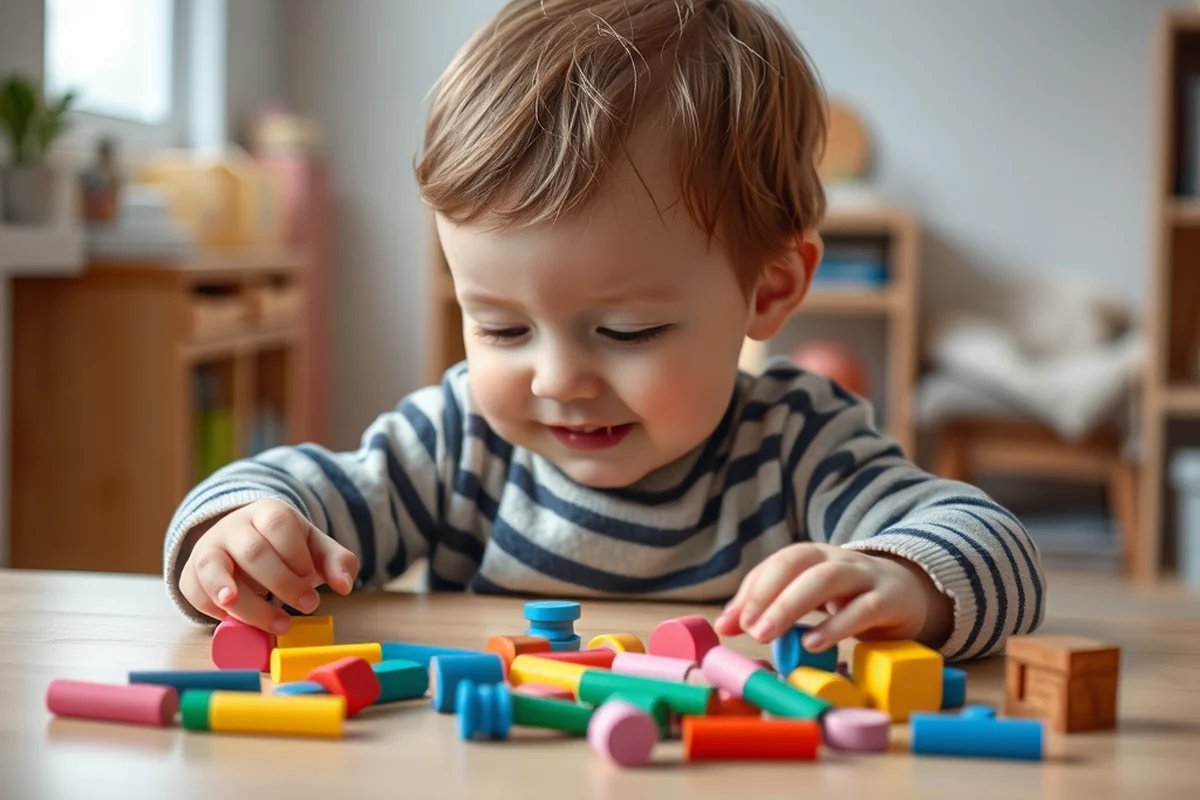
Studies have found that children who engage in pretend and play regularly show more advanced problem-solving skills and greater emotional regulation compared to those who don’t. This is because pretend and play allows children to simulate real-life situations, practice empathy, and explore different perspectives. I’ve seen this in action when my daughter pretends to be a teacher and helps her younger brother with his 'homework.' She’s not just playing—she’s learning how to guide, encourage. Support others.
Neuroscientists believe that pretend and play activates the same brain regions responsible for empathy and social learning. When children play pretend, they’re not just imagining—they’re processing and understanding the world around them. For example, when my daughter pretends to be a doctor, she’s not just playing at being a doctor; she’s learning about care, responsibility, and communication.
This kind of play is also linked to better language development. Children who engage in pretend and play often have more complex vocabulary and better verbal skills. As a parent, I’ve noticed that during these pretend sessions, my daughter uses words she wouldn’t use in everyday conversation, which is a clear sign that her language is expanding through play.
Pretend and play is the brain’s way of saying, 'Let’s try this, let’s see what happens.'
Related: Play based learning printable
How Pretend and Play Builds Social Skills
Social skills are often learned through pretend and play, especially when children are playing with others. I’ve noticed that when my daughter plays with her friends, they naturally take turns, make rules, and resolve conflicts—all through pretend scenarios. Whether they’re pretending to be a restaurant or a construction site, they’re learning how to communicate, listen, and collaborate.
I’ve seen my daughter argue with her brother over who gets to be the 'boss' in their pretend restaurant, and then find a compromise by taking turns. These small moments teach her how to negotiate and think about others’ perspectives. It’s not just about the game—it’s about the social learning that happens within it.
Pretend and play also helps children understand social roles and expectations. When they pretend to be a teacher, a doctor, or a firefighter, they’re learning about responsibilities, teamwork, and how to help others. These lessons are far more impactful when they come from play rather than direct instruction.
Invite other children over for pretend and play sessions. This helps your child practice social skills like sharing, taking turns, and resolving conflicts. Even if they’re just pretending, they’re building real-life skills.
“I remember the first time I watched my daughter turn a cardboard box into a spaceship, complete with a 'pilot' helmet made from an old…”— Playschooled editors
Related: Play based learning tips
Pretend and Play as an Emotional Outlet
Children often use pretend and play to work through emotions they can’t yet articulate. I’ve seen my daughter pretend to be a superhero saving her brother from a 'monster' after he had a tough day at preschool. This kind of play allows her to process her own feelings of worry or fear in a way that’s manageable and safe.
It’s not uncommon for children to reenact difficult situations through pretend play. When they’re pretending to be in a car accident or a storm, they’re not just playing—they’re trying to make sense of the world and their own emotions. This can be a powerful way for them to cope with stress, anxiety, or even sadness.
As a parent, I’ve found that allowing my child to play out her feelings in this way helps her feel more in control. Sometimes, she’ll even come to me afterward and tell me what she was pretending, which gives me insight into her thoughts and feelings. Pretend and play is a form of emotional expression that’s both safe and effective.
Related: Game based learning checklist
How Pretend and Play Supports Cognitive Development
When children engage in pretend and play, they’re constantly solving problems and thinking critically. I’ve watched my daughter create a pretend grocery store with her toys and figure out how to 'sell' items to her brother. She’s not just pretending to be a shopkeeper—she’s learning about money, counting, and negotiation.
This kind of play also helps children develop memory and sequencing skills. When they’re following a pretend story or creating a narrative, they’re using their memory to recall events and their imagination to continue the story. I’ve seen my daughter remember details from a pretend scenario and build on them the next day, which is a clear sign of cognitive development.
Logical thinking is also strengthened through pretend and play. When children are pretending to be scientists, doctors, or engineers, they’re experimenting with cause and effect, trying out different solutions, and learning how the world works. This kind of play is a natural way to build foundational cognitive skills.
Related: Beginner play based learning
The Role of Parents in Pretend and Play
While pretend and play is often self-directed, parents can play a powerful role in encouraging and supporting it. I’ve found that being involved in my daughter’s pretend play sessions helps her feel more confident and creative. When I join in, it gives her more ideas and shows her that I value her imagination.
I’ve noticed that when I sit down with my daughter and ask open-ended questions like, 'What should we pretend to be today?' or 'What would happen if we built a spaceship together?' it sparks more creativity and deeper engagement. These moments are not just fun—they’re learning opportunities that help her think more flexibly and explore new ideas.
It’s also important for parents to resist the urge to direct the play too much. Letting the child lead the way fosters independence and problem-solving. When I step back and let my daughter take the lead, she often comes up with ideas I never would have thought of, which is both surprising and inspiring.
The best way to encourage pretend and play is to be present and let your child lead the way.
Related: Small play based learning
How to Create a Pretend and Play-Friendly Environment
A pretend and play-friendly environment is one that’s open, accessible, and filled with materials that spark creativity. I’ve found that keeping a few open-ended toys and household items nearby is key. Things like boxes, blankets, pots, and pans, or even old clothes can be turned into a costume or a spaceship.
I’ve also noticed that having a dedicated area for pretend and play, like a corner of the living room or a small table, helps my daughter feel more comfortable and inspired. This space doesn’t need to be fancy—just a place where she can be creative and explore without interruption.
Encouraging pretend and play at home also means allowing time for it. I’ve set aside 30 minutes each day for pretend and play, and I’ve seen a noticeable difference in my daughter’s creativity and engagement. It’s not about the time itself, but about making it a consistent, valuable part of her day.
🧸 Gentle Pretend and Play
This approach focuses on allowing the child to take the lead and explore at their own pace, with minimal direction from the parent.
🚀 Fast-Track Pretend and Play
This method involves quick, structured pretend and play sessions that are focused on specific learning goals or skills.
✈️ Travel/away-from-home Pretend and Play
This approach uses everyday items found in public places to create pretend and play scenarios on the go.
👯♀️ Multiples Pretend and Play
This method is tailored for parents with multiple children, encouraging cooperative and shared pretend and play sessions.
🔄 Regression Reset Pretend and Play
This approach helps children who are going through developmental or emotional regression by using pretend and play as a way to regain confidence and control.
| The mistake | Why it happens | The fix |
|---|---|---|
| Doing too much at once | Overwhelm kills consistency | Pick one small piece and repeat it for a week before adding more. |
| Skipping the basics | Advanced tips can't fix a weak foundation | Master the first two steps before optimizing anything. |
What Is Pretend And Play
Common Questions
At what age should children start pretending and playing?
Do I need to buy special toys for pretend and play?
How can I encourage my child to pretend and play more?
Can pretend and play help with emotional or behavioral issues?
Cite this guide
Playschooled (2026). What Is Pretend and Play and How Does It Help Children Learn. https://playschooled.com/what-is-pretend-and-play/
Feel free to cite or share this guide.