
Children Learning Games: Benefits and How to Choose the Right Ones

📖 Table of Contents
- The Role of Children Learning Games in Development
- How to Choose the Right Children Learning Games
- The Benefits of Playing Children Learning Games as a Family
- How Children Learning Games Can Help with Language Development
- Children Learning Games for Emotional and Social Development
- How to Incorporate Children Learning Games into Daily Routines
- The Long-Term Impact of Playing Children Learning Games
- Make It Your Way
- Frequently Asked Questions
I remember the first time my son brought home a board game from school — it was a simple matching card game, but it sparked something in him. I watched as he sat cross-legged on the floor, eyes wide, trying to beat his older brother. That moment made me realize the power of children learning games. They’re not just toys; they’re tools that help kids build skills, foster connection, and create memories.[1]
Over the years, I’ve tested dozens of children learning games with my own kids and with friends and family. Some games are great for developing fine motor skills, others for language or strategic thinking. I’ve learned that the right game at the right time can make all the difference. It’s not about flashy packaging or complicated rules — it’s about what the game does for a child’s development and the joy it brings.[2]
If you’re a parent looking for a way to engage your child, teach them something new, or simply spend quality time together, children learning games are a fantastic place to start. They’re affordable, easy to store, and can be played in just about any setting. Here’s what I’ve discovered after years of experimenting and observing the impact these games have on kids and families.[3]
Why You'll Love This Approach
- Boosts cognitive and social skills through play
- Encourages family bonding and collaboration
- Offers a flexible and affordable learning tool
- Creates lasting memories and shared joy
The Role of Children Learning Games in Development
As of November 2026, Children learning games are more than just entertainment — they’re an essential part of early childhood development. I’ve seen how games like memory matching and color sorting help kids build concentration and pattern recognition. When my daughter was 3, we used a simple picture-matching game that helped her recognize shapes and colors in under a week. The best part? She didn’t even realize she was learning.[4]
These games also teach important social skills. During a recent playdate, I watched two of my kids play a cooperative board game where they had to work together to reach a goal. It was fascinating to see them negotiate, share, and celebrate each other’s successes. These moments are invaluable and often go unnoticed.
The beauty of children learning games is that they’re accessible to kids of all ages and abilities. Whether it’s a simple card game or a more complex puzzle, there’s something for every child. I once used a sequencing game with my nephew who had developmental delays, and it helped him understand order and routine in a way that books and videos couldn’t.
Choose games with simple rules and clear objectives. This helps children build confidence and stay engaged.
Part of our Play based learning guide.
How to Choose the Right Children Learning Games
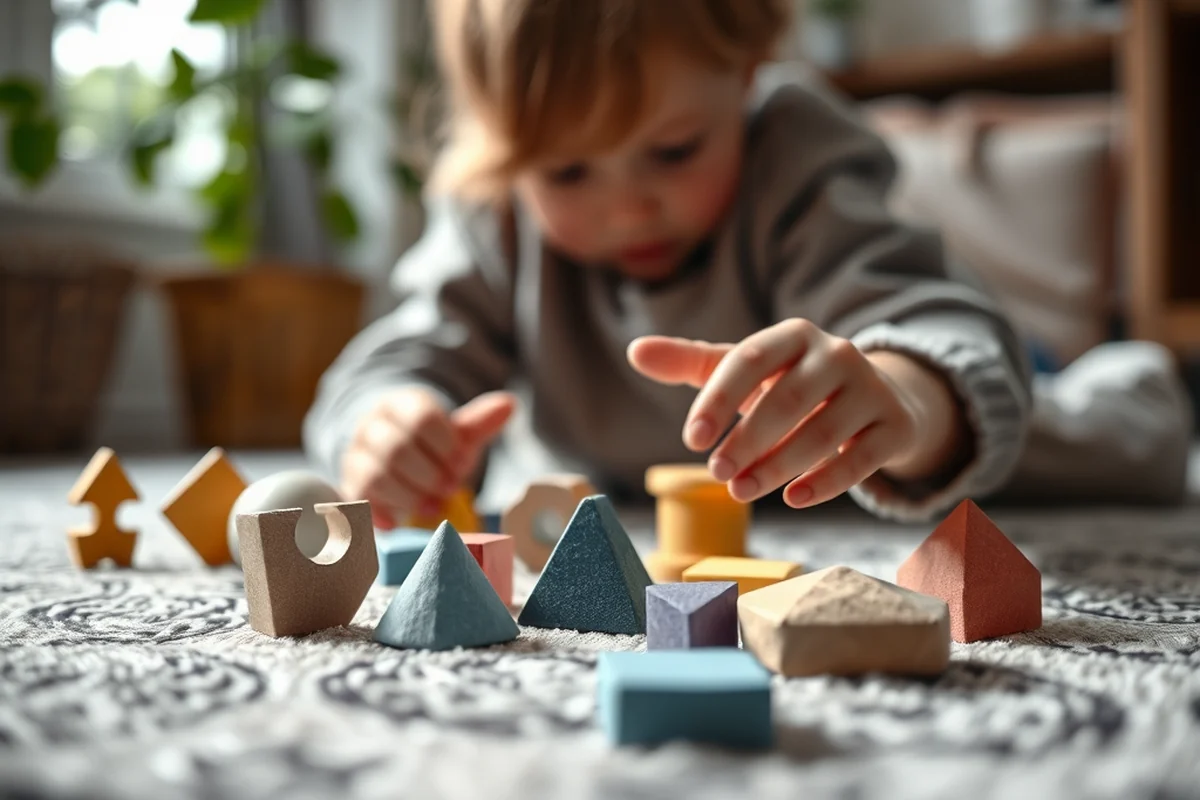
When I first started exploring children learning games, I was overwhelmed by the variety. But I quickly learned that the best games are those that align with my child’s current stage of development. For example, my son loved a game that involved counting and number recognition, while my daughter preferred games that focused on creativity and storytelling.
I’ve found that games with clear instructions and minimal components are easier for young kids to grasp. One of my favorites is a game that teaches shapes and sizes — it has only a few pieces, but it keeps my daughter engaged for hours. The key is to find games that are both fun and meaningful.
It’s also important to consider the child’s interests. If they love animals, look for games with animal themes. If they enjoy music, try games that involve rhythm or sound. Personalization makes learning more effective and enjoyable.
The best games are those that match the child’s interests and developmental stage.
Related: Minimalist play based learning for beginners
The Benefits of Playing Children Learning Games as a Family
One of the most rewarding parts of playing children learning games is the opportunity to bond with my kids. Whether we’re playing a cooperative game or competing in a friendly match, the time we spend together is priceless. I’ve noticed that my kids are more patient and kind when we play games together.
During one of our game nights, we used a game that required us to work together to solve a mystery. It was amazing to see how my kids collaborated and supported each other. These moments of teamwork and problem-solving are some of the most valuable lessons they learn.
Family game nights also create lasting memories. I still remember the time we played a card game that ended with my son yelling, 'I won!' and then immediately handing me the prize he had just won. It was a small moment, but it showed how much he enjoyed playing with us.
Set aside time each week for family game nights. This helps create a routine and strengthens family bonds.
“I remember the first time my son brought home a board game from school — it was a simple matching card game, but it sparked…”— Playschooled editors
Related: Play based learning guide
How Children Learning Games Can Help with Language Development
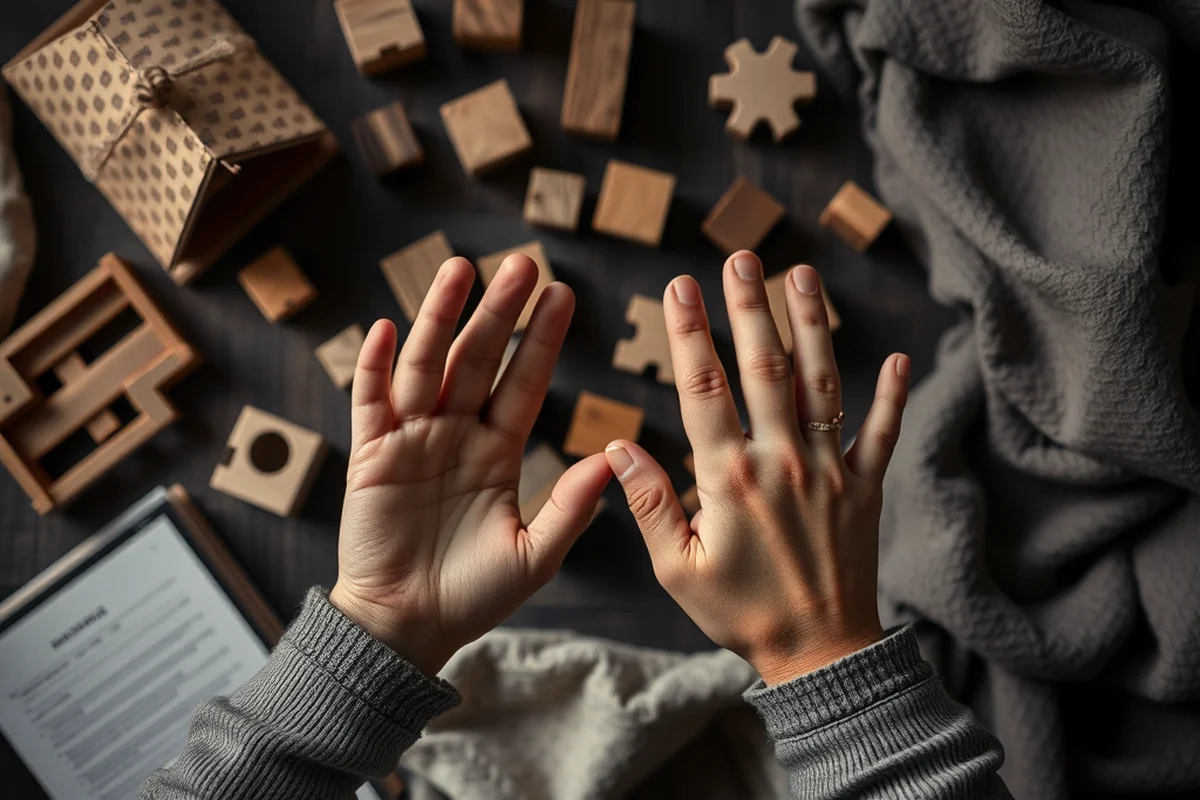
I’ve noticed that my daughter’s vocabulary has grown rapidly since we started playing language-based games. One of our favorites is a game that involves describing picture cards and guessing what the other person is thinking. It’s been incredible to see her articulate her thoughts more clearly.
These games also help with listening and comprehension. During a recent game, my son had to follow a set of instructions to complete a task. It was surprising to see how well he followed them, even though they were quite detailed.
I’ve also seen how games that involve storytelling help kids express themselves more creatively. My daughter often comes up with her own stories during these games, which has helped her confidence in speaking and writing.
Related: Best play based preschool curriculum
Children Learning Games for Emotional and Social Development
One of the games I introduced my kids to was a role-playing game where they had to act out different scenarios. It was fascinating to see how they navigated emotions, took turns, and learned to understand each other’s feelings.
I’ve also noticed that games that involve waiting or taking turns help kids learn patience. My son used to get frustrated when he had to wait his turn, but after a few games, he’s become much more patient and understanding.
These games also encourage empathy. When my kids play together, they often have to think about how their actions affect others. This has helped them become more compassionate and considerate.
Related: What is a word play
How to Incorporate Children Learning Games into Daily Routines
I’ve found that playing games during mealtime or while doing chores can be a great way to keep kids entertained and learning. One of our favorite games to play while we’re eating is a simple memory match game — it’s easy to set up and keeps the kids engaged without interrupting our routine.
I also like to use games as a way to transition between activities. For example, before bedtime, we play a short game that helps us wind down. It’s a great way to signal that it’s time to go to bed without being too abrupt.
Incorporating games into daily routines also helps build consistency. When my kids know that we’ll play games at certain times of the day, they look forward to it and it becomes a part of our routine.
Games can turn everyday moments into learning opportunities.
Related: Cheap game based learning
The Long-Term Impact of Playing Children Learning Games
Looking back, I can see how the games we played as a family have helped my children grow in so many ways. From the ability to think critically to the patience they’ve developed, these games have had a lasting influence.
One of the biggest surprises for me was how well my kids have retained the skills they learned through games. Even now, they use problem-solving strategies and social skills that we practiced during game nights.
The emotional intelligence my kids have developed through these games is also remarkable. They’re more empathetic, patient, and confident in their interactions with others. These are skills that will serve them well throughout their lives.
🧸 Gentle Approach
Focus on low-stakes, low-pressure games that encourage exploration and curiosity without competition.
⚡ Fast-Track Method
Use highly structured games that target specific skills, such as math or reading, for quick progress.
✈️ Travel/On-the-Go Style
Choose small, portable games that can be played during car rides or while waiting in line.
👶 Multiples Approach
Use games that can be played by multiple children at once, making them perfect for larger families.
🔄 Regression Reset
Use games that help kids revisit and reinforce previously learned skills, especially after a break in routine.
| The mistake | Why it happens | The fix |
|---|---|---|
| Choosing games that are too advanced for the child’s age. | This can lead to frustration and disinterest in the game. | Select games that match the child’s developmental stage and abilities. |
| Forcing the child to play games they don’t want to play. | This can create negative associations with learning and play. | Allow the child to choose games they enjoy and play with them voluntarily. |
| Neglecting to play the games regularly. | This can make the games feel like a chore rather than a fun activity. | Set aside regular time to play games with your child to maintain engagement. |
| Ignoring the child’s emotional needs during game time. | This can lead to the child feeling ignored or not understood. | Be present during game time and show genuine interest in the child’s thoughts and feelings. |
Children Learning Games
Common Questions
What are some of the best children learning games for ages 3-6?
How can I make sure my child enjoys the games we play?
Can children learning games help with school readiness?
How often should I play children learning games with my child?
References
- Games - AgLab - USDA (aglab.ars.usda.gov)
- Elementary Student Resources - CDC (cdc.gov)
- Learning Games & Programs: Pre K through 3rd Grade (coronaca.gov)
- Evidence of board games building bedrock social skills - FAS Current (current.fas.harvard.edu)
Cite this guide
Playschooled (2026). Children Learning Games: Benefits and How to Choose the Right Ones. https://playschooled.com/children-learning-games/
Feel free to cite or share this guide.