
Easy Play Based Learning Budget Ideas

📖 Table of Contents
When my daughter was two, I found myself overwhelmed by the pressure to create a perfect learning environment for her, all while on a tight budget. I had read about the benefits of play-based learning, but I didn't know where to start. That's when I realized the answer was right under my nose — not in expensive toys or flashcards, but in the simple, everyday objects around me. It was a game-changer, and I want to share how you can do the same.
Play-based learning is not about flash or frills — it's about intention, creativity, and using what you have. I've spent the last few years experimenting with low-cost, high-impact activities that transform our home into a learning hub. Whether it's turning a cardboard box into a spaceship or using laundry markers to teach letters, the key is to make learning fun and accessible. It's not just about saving money; it's about making the most of what you already have.
One of the most rewarding parts of this journey has been watching my daughter's confidence grow as she explores and learns through play. I've learned that some of the most valuable lessons come from the simplest interactions — counting blocks, sorting colors, or even pretending to cook. These moments are not only educational but also deeply bonding. By focusing on easy play-based learning budget ideas, we've created a home where curiosity and creativity flourish without breaking the bank.
Why You'll Love This ...
- No expensive materials — it's all about using what you have.
- Flexible and adaptable for any family's needs or space.
- Encourages creativity, problem-solving, and learning through exploration.
- Strengthens the parent-child bond through shared play and discovery.
How to Start with Minimal Resources
As of November 2026, I remember the first time I used a stack of laundry to teach my daughter about counting and sorting. I didn’t have a single educational toy, but I had a washing machine and a laundry basket — and suddenly, we had a lesson in math and color recognition.
You don't need to buy anything new to begin. Look around your home — items like books, containers, blocks, and even paper can be transformed into a learning experience. It's about being intentional with what you already own and how you use it.
One of the most valuable lessons I've learned is that the most effective play-based learning doesn't cost a dime. It's about how we engage with what's already around us. My daughter now sees our home as a playground for learning, not a place with boundaries.
Grab a few household items — a stack of books, some blocks, or even a blanket. Use them to create a play-based learning activity right now.
Making Learning Fun with Everyday Objects
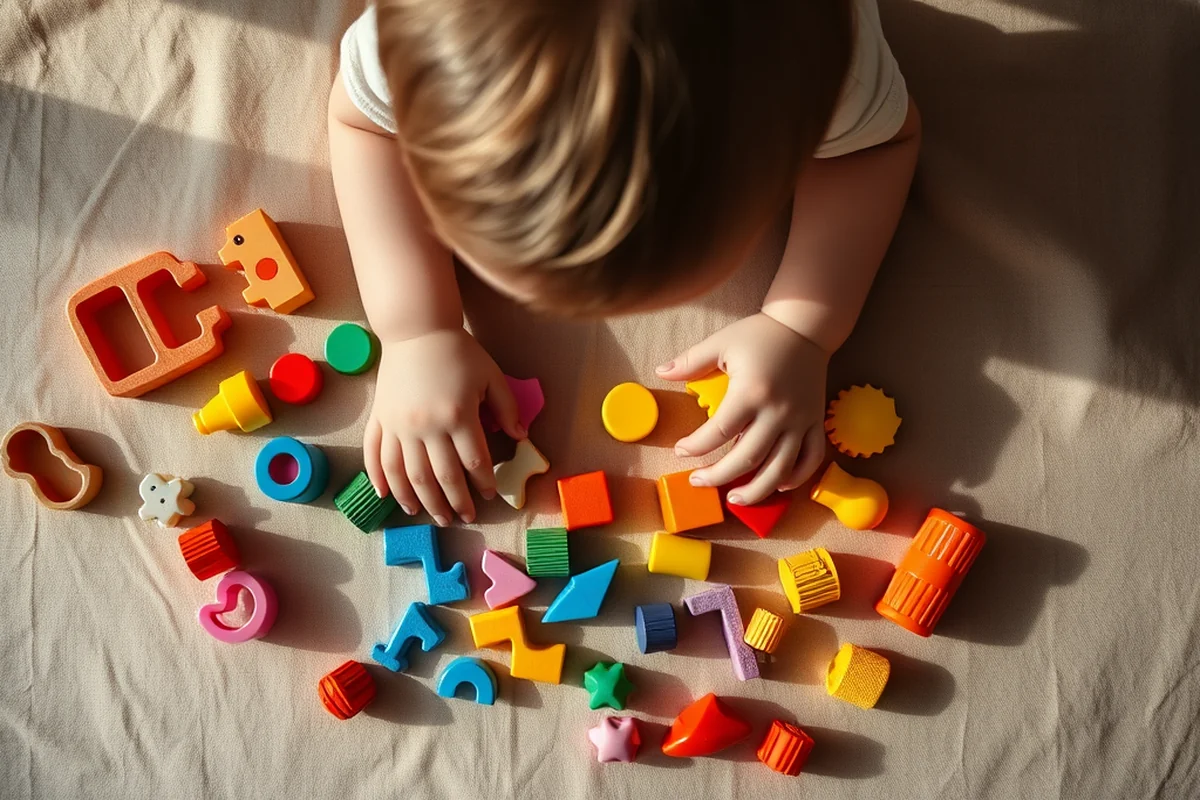
I've turned our kitchen into a science lab using vinegar and baking soda, and even our laundry room into a sorting center. The key is to look for opportunities to teach and explore in the spaces where you already spend time.
When we cook together, my daughter practices measuring and counting. When we sort laundry, she learns about colors and shapes. These are not just activities — they're lessons that are woven into the fabric of our daily lives.
The result has been a dramatic shift in how my daughter views learning. It's not something that happens in a classroom; it's part of her world, and she's more engaged and curious than ever before.
Learning is not confined to the classroom — it's everywhere we look.
Related: How to play based learning budget
How to Stay Consistent Without Extra Effort
I've found that consistency in play-based learning doesn't require a lot of effort — it just requires showing up. Even 15 minutes a day can make a huge difference over time.[1]
I've created a small ritual where we play together in the morning before leaving for work. It doesn’t take long, but it's a way to connect and learn together. It's not about the time; it's about the presence and the intention behind it.
My daughter now associates learning with quality time and fun, not pressure or stress. She looks forward to these moments and it's created a positive cycle of engagement and discovery.
Find a time of day that works for your family and commit to it. Even 10 minutes a day can build a habit of play-based learning.
“When my daughter was two, I found myself overwhelmed by the pressure to create a perfect learning environment for her, all while on a tight…”— Playschooled editors
Related: Play based learning budget guide
Maximizing the Value of Free and Low-Cost Resources
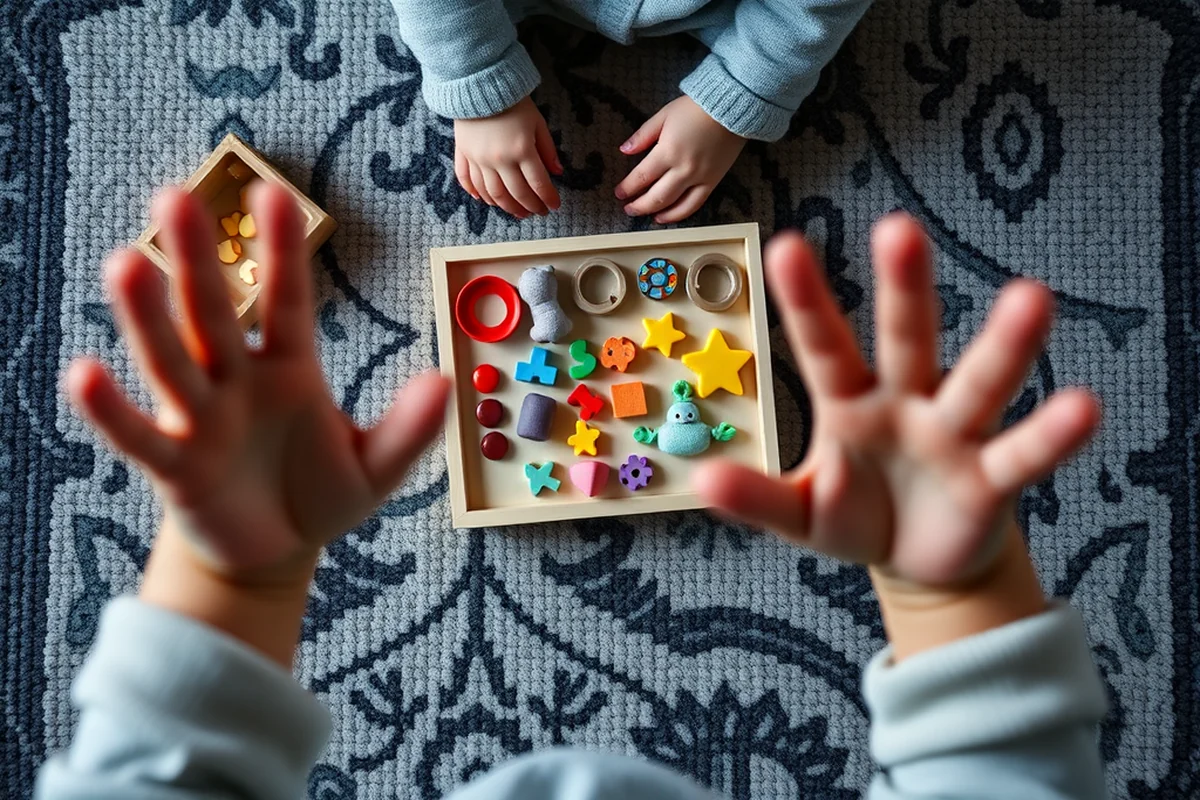
I've used free apps, online printables, and even old magazines to create learning activities. There are also libraries that offer educational kits and books for children.
Some of my favorite tools have been free printable flashcards, educational videos from YouTube, and books from the library. These resources are not only cost-effective but also provide a wide range of learning opportunities.
I've found that mixing digital and physical play can enhance learning even more. My daughter loves educational videos, but she also enjoys hands-on activities. It's a great balance of both worlds.
Related: Play based learning budget printable
How to Adapt Activities to Your Child's Needs
I've learned that what works for one child may not work for another. I've had to adapt activities based on my daughter's interests and what she's ready to learn.
For example, if she's into dinosaurs, I create activities around that theme. If she's working on letters, I use books and games that focus on that. It's about meeting her where she is and making learning relevant to her life.
This approach has made learning more enjoyable and effective. My daughter is more engaged when the activities align with her interests, and she's picked up skills without even realizing she's learning.
🧘 Gentle Approach
A slow and steady way to introduce play-based learning that's perfect for younger kids or families new to the concept.
🚀 Fast-Track Method
A quick and easy way to jump into play-based learning with minimal setup and maximum impact, ideal for busy parents.
🧳 Travel/away-from-home
A way to keep play-based learning going even when you're on the go, using items you can easily pack and take with you.
👶 Multiples Approach
A strategy that works for families with multiple children, ensuring each child can learn at their own pace and level.
🔄 Regression Reset
A method to help kids who are struggling or regressing in their learning, using play to rebuild confidence and skills.
| The mistake | Why it happens | The fix |
|---|---|---|
| Trying to overplan activities | Overplanning can make play-based learning feel forced and less enjoyable for both parent and child. | Keep it simple and flexible. Let your child lead the way and follow their interests. |
| Focusing too much on the outcome rather than the process | Play-based learning is about exploration and discovery, not about achieving specific results. | Enjoy the journey and celebrate small wins. The process is where the real learning happens. |
| Neglecting your child's interests | If the activities aren’t aligned with what your child enjoys, they may become disengaged and less likely to learn. | |
| Not being consistent | Consistency is key in play-based learning. Without it, the benefits may not be fully realized. | Set a routine and stick with it, even if it's just for a few minutes a day. |
Related: Play based learning budget checklist
Easy Play Based Learning Budget Ideas
Related: Play based learning budget examples
Creating a Multisensory Play Area at Home
I created a small, dedicated play area in my living room that uses items I already had at home. I laid out a soft blanket and placed items like fabric swatches, dried beans, rice, and sensory bottles around it. My child can touch, smell, and move these items, which helps with motor skills, vocabulary, and sensory processing. I use a basket for each category, and I label them with pictures and words so my child can independently choose what they want to explore.
I’ve also used a large cardboard box to make a 'treasure chest' where I place items like play dough, buttons, pipe cleaners, and small toys. This box becomes a center for open-ended play where my child can build, sort, and create. I’ve noticed that when the play is multisensory, my child is more engaged and spends more time exploring. I’ve found that incorporating items like scented lotions or textured materials adds another layer of learning and discovery.
I keep this area simple and easy to clean, using waterproof mats and storing everything in labeled containers. It’s not about having the most expensive toys, but about providing a variety of materials that encourage creativity, problem-solving, and sensory engagement. I’ve seen how this space helps my child develop skills in a natural and playful way, without any added cost or stress.
Transforming Old Clothes into Learning Tools
Upcycle old clothes into educational tools with creative, low-cost ideas that spark curiosity and learning.
I discovered that my child's old t-shirts and socks could become math manipulatives, letter recognition tools, and even art supplies. By cutting fabric into shapes, I created sorting games that helped her learn colors, sizes, and patterns. For instance, I turned a worn-out t-shirt into a set of soft, washable
Repurposing Household Items for STEM Play
I once turned old egg cartons into sorting and counting tools by labeling each cup with numbers and asking my child to place the correct number of small toys inside. This simple idea helped reinforce basic math skills while keeping the activity engaging and interactive. I also used cardboard boxes to build simple ramps and tracks for toy cars, introducing concepts of gravity, motion, and angles in a hands-on way. These activities didn’t require any special materials, and my child stayed focused for nearly 30 minutes each time we played.
Another way I repurposed household items was by using buttons, beads, and pasta as counting and pattern-making tools. I spread them out on a large piece of cardboard and had my child sort them by color or shape, which helped develop fine motor skills and early math concepts. I also used empty jars and containers to teach volume and measurement by having my child fill them with different materials like rice or cotton balls. This was a great way to make learning feel like play without any cost.
I’ve also used items like straws and pipe cleaners to create flexible shapes and explore geometry. By bending and twisting the pipe cleaners into different forms, my child learned about shapes, symmetry, and spatial reasoning. I also used old magazines and newspapers to make paper airplanes, which helped with understanding aerodynamics and physics. These simple, low-cost activities made STEM learning accessible and enjoyable for my child without breaking the budget.
Common Questions
Can I start play-based learning with a baby?
How long should I spend on play-based learning each day?
What if I don’t have much time or space?
How do I know if my child is learning?
References
Cite this guide
Playschooled (2026). Easy Play Based Learning Budget Ideas. https://playschooled.com/easy-play-based-learning-budget-ideas/
Feel free to cite or share this guide.