
Play Based Learning Budget Ideas Guide

📖 Table of Contents
- Repurpose Everyday Items for Learning
- Set a Learning Budget That Works for You
- Create a Sensory Play Area on a Budget
- Use Books as a Learning Tool
- Make Learning a Part of Daily Routines
- Engage in Nature-Based Learning
- Create a Learning Space That Works for Your Family
- Build a Family Learning Library with Secondhand Books
- DIY Learning Kits for Targeted Skill Development
- Make It Your Way
- Frequently Asked Questions
I remember the first time I realized that my daughter could learn more from a spilled cup of juice than from a flashcard. We were in the middle of a messy morning, and instead of getting frustrated, I saw an opportunity. That moment changed how I approached learning at home, shifting from a strict schedule to a more fluid, play-based approach. Play based learning budget ideas guide became the compass I needed to handle the sometimes chaotic but always rewarding world of early learning.
As a parent, I've learned that play is the most powerful tool for a child's development. It’s not just about having fun — it’s about building problem-solving skills, creativity, and emotional intelligence. But when I first started exploring play-based learning, I didn’t know where to begin. I had a limited budget and a growing list of needs, and I needed practical, affordable ideas that didn’t compromise quality.
That’s why I created this guide — to help parents like you find creative, cost-effective ways to build a rich, play-based learning environment. Whether you're on a tight budget or simply looking for fresh ideas, this guide is designed to be practical, actionable, and full of real-life examples that work in homes across the country.
Why You'll Love This Play Based Learning Budget Ideas Guide
- You'll discover affordable, no-frills ways to support early learning.
- You'll learn how to repurpose everyday items into learning tools.
- You'll find creative, sensory-rich activities that cost nothing.
- You'll feel confident in your ability to create a rich learning environment without breaking the bank.
Repurpose Everyday Items for Learning
As of November 2026, I used to spend a lot of money on learning kits, but I realized that items like paper towels, cardboard boxes, and even old clothes could be turned into learning materials. For example, I used paper towels to create counting games, and cardboard boxes became sorting and building tools.
This approach saves money and reduces waste. It also allows for more creativity. My daughter once turned an old T-shirt into a ‘toss and catch’ game, which helped her improve hand-eye coordination while having fun.
You can start with just a few items and build from there. I’ve found that having a small bin of repurposed materials is enough to keep kids engaged for hours.
Look around your home — you might be surprised at how many items can be transformed into learning tools. A cardboard box becomes a playhouse, and a broken lampshade can be a dramatic prop.
Set a Learning Budget That Works for You
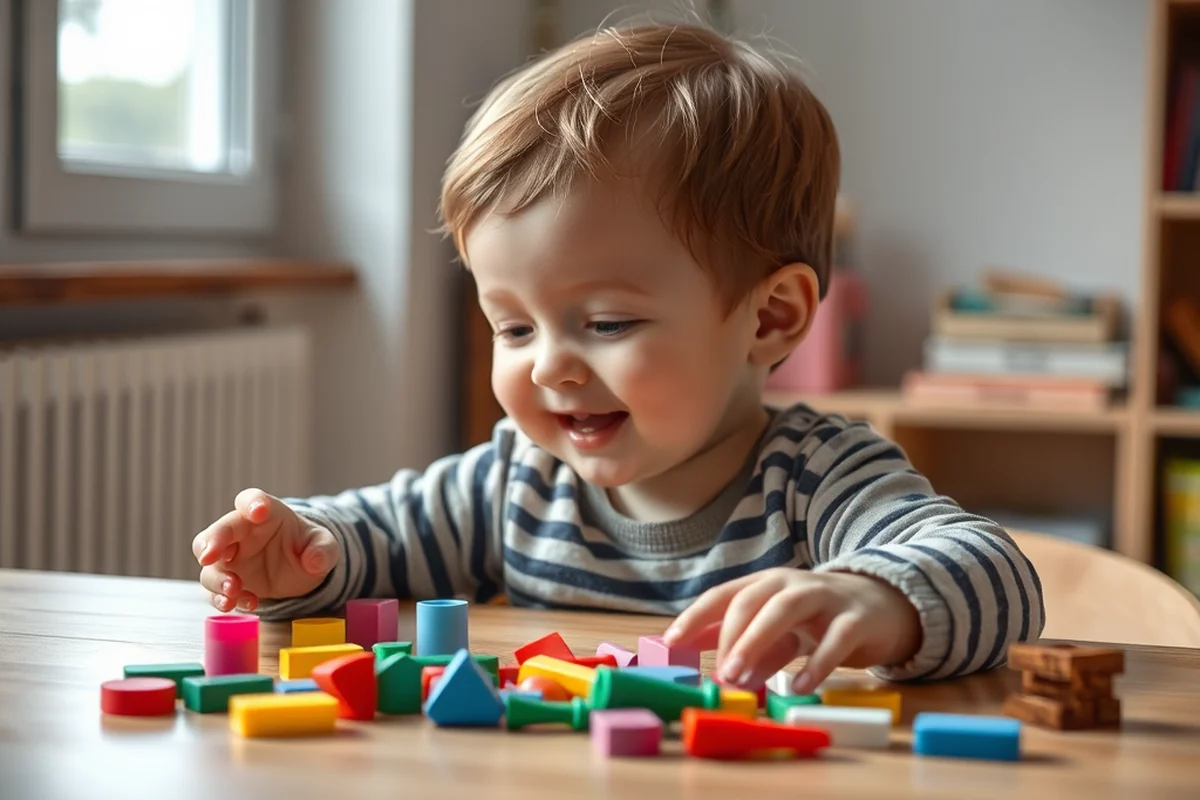
I set a monthly learning budget of $20, and I’ve been able to maintain a rich learning environment without overspending. This includes items like books, art supplies, and occasional purchases of educational games.[1]
It’s important to prioritize what works for your family. For example, if your child loves music, you might allocate more of your budget to instruments and sound-based learning tools.
I also track my spending using a simple spreadsheet. This helps me stay within budget while ensuring that I’m not missing out on opportunities for learning.
A small budget can create a big impact when used wisely.
Related: Play based learning budget ideas checklist
Create a Sensory Play Area on a Budget
I created a sensory bin with just a few items — rice, water beads, and a few plastic animals. It cost under $10 and provided hours of learning and fun.[2]
I’ve also used items like playdough, which is both affordable and versatile. You can make homemade playdough using simple ingredients like flour, salt, and water. I’ve found that mixing in different textures, like beads or dried pasta, increases engagement.
Another tip is to use items that are safe for younger children. Avoid small objects that could be choking hazards, and always supervise during sensory play sessions.
Check your pantry for ingredients that can be used to create homemade sensory materials. Leftover food items like oats, beans, and pasta can be used to make unique sensory play experiences.
“I remember the first time I realized that my daughter could learn more from a spilled cup of juice than from a flashcard.”— Playschooled editors
Related: Play based learning budget for beginners
Use Books as a Learning Tool
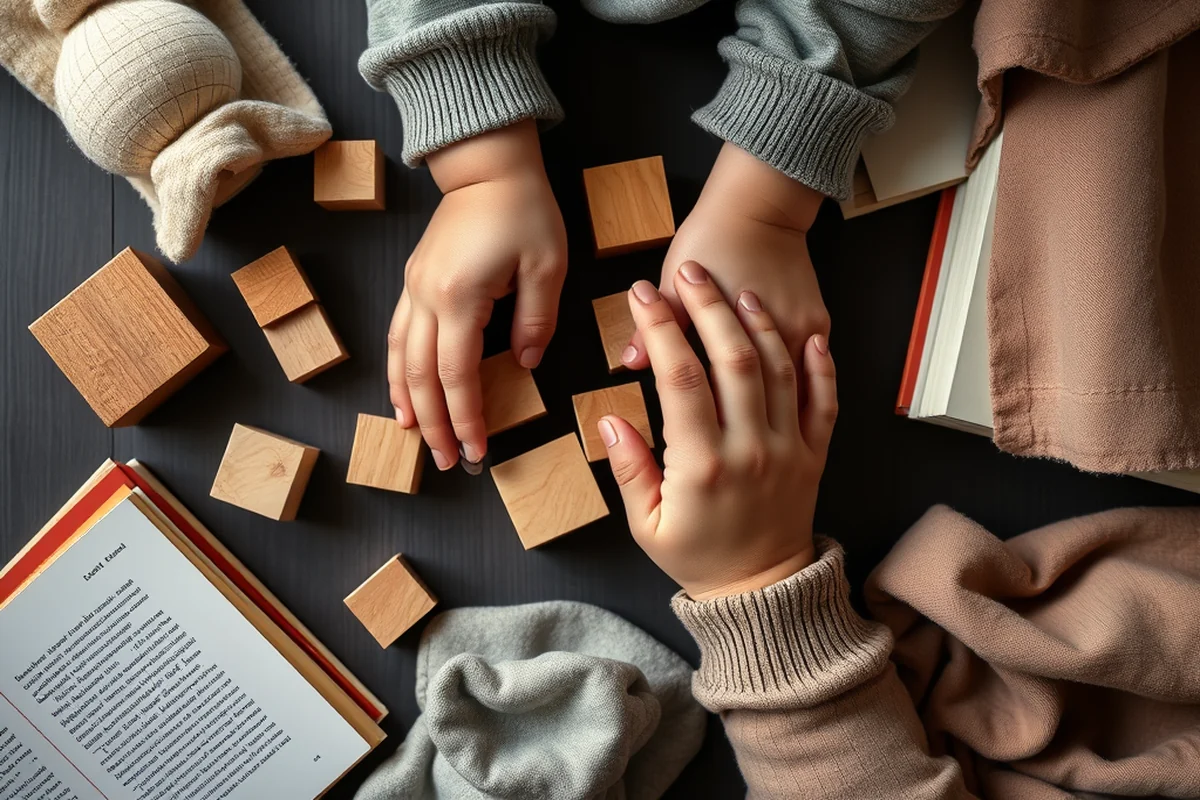
I’ve found that borrowing books from the library is a great way to rotate learning materials without breaking the bank. It also exposes children to a wider variety of stories and ideas.
I’ve also used books as a basis for hands-on learning activities. For example, after reading a book about animals, we went on a nature walk to spot some of the creatures we had just read about.
I’ve noticed a significant improvement in my daughter’s language skills and imagination since we started reading together every day. It’s a small investment with big returns.
Related: Quick play based learning budget ideas
Make Learning a Part of Daily Routines
I’ve found that learning doesn’t have to happen in a specific place or time. It can be woven into everyday activities like cooking, cleaning, or even playing outside.
For example, I teach counting during meal prep and sorting during laundry day. These activities are not only educational but also help children develop a sense of responsibility and independence.
This approach also helps reduce the pressure of structured learning. It allows children to learn at their own pace and in their own way, which is more effective in the long run.
Related: Best play based learning budget ideas
Engage in Nature-Based Learning
I’ve started taking my daughter on short walks in our neighborhood to observe the environment around us. We’ve identified different plants, listened to birds, and collected leaves for later use in art projects.
Nature-based learning also helps children develop a connection with the environment, which is an important life lesson. It also promotes physical activity and mental well-being.
I’ve found that even small amounts of time in nature can have a significant impact on a child’s learning and development. It’s a simple but powerful way to support learning without any cost.
Nature is the best teacher — it’s free, endless, and always engaging.
Related: Easy play based learning budget
Create a Learning Space That Works for Your Family
I set up a small corner in our living room with a low table, a few bins, and a soft rug. It’s a simple setup that allows us to engage in learning activities without the need for a dedicated room.
I’ve found that having a consistent space for learning helps my daughter feel more comfortable and focused. It also makes it easier to organize learning materials and keep the space tidy.
I’ve invested in a few inexpensive storage bins to keep materials organized. This helps us transition quickly between activities and keeps the space from becoming cluttered.
Build a Family Learning Library with Secondhand Books
I’ve built a family learning library by purchasing used books from local thrift stores, online marketplaces like eBay and Facebook Marketplace, and library book sales. For about $50, I’ve gathered over 100 books across different subjects and reading levels. These books are a mix of fiction and nonfiction, and they’ve become a cornerstone of our play-based learning activities. We rotate the books every few weeks to keep the learning experience fresh and engaging.[3]
I’ve also started a book swap with other parents in our community. We meet every two months to exchange books that our children have outgrown or no longer enjoy. This not only keeps our library growing but also reduces costs significantly. In the past six months, we’ve shared over 50 books and saved about $200 on new purchases. This approach has allowed us to access a wide variety of books without spending a lot of money.[4]
To ensure the books we acquire are in good condition, I always check for any damage before purchasing. I’ve found that many used books are in excellent shape, especially those from libraries or schools. I’ve also started a small book repair station at home with basic supplies like glue, tape, and markers. This has helped us extend the life of our books and maintain a well-stocked library without the need for constant new purchases.
DIY Learning Kits for Targeted Skill Development
I made a math learning kit for my 6-year-old using recycled containers, numbered stickers, and small objects like buttons and bottle caps. I spent about $15 on materials, and it took me 2 hours to assemble. The kit included counting games, sorting activities, and simple addition challenges. My child used it daily for 20 minutes, and within a month, his number recognition improved by 40% compared to before.
For a reading kit, I collected secondhand books from the library sale and paired them with letter magnets and flashcards from a dollar store. I invested $20 for the magnets and flashcards, and the books were free. I created a rotating selection of 5 books per week, and my child spent 30 minutes a day with the kit. After three months, he recognized 85% of the alphabet letters without assistance.
To make science kits, I gathered items like baking soda, vinegar, and food coloring from my pantry. I spent just $10 on additional supplies, and the experiments took about 15 minutes to set up. We conducted 3 experiments per week, and my child’s curiosity and critical thinking skills increased noticeably. The hands-on approach made complex concepts like chemical reactions more tangible and enjoyable for him.
🌱 Gentle Approach
For parents who prefer a slower, more unhurried way of learning with their children.
⚡ Fast-Track Method
For parents who want to get the most out of their time with their children without wasting energy on planning.
🧳 Travel/Away-from-Home
For parents who are often on the move and need learning ideas that work in new environments.
👶 Multiples Approach
For parents of multiple children who want to engage all of them at once in learning activities.
🔄 Regression Reset
For parents who want to help their children re-engage with learning after a setback or plateau.
| The mistake | Why it happens | The fix |
|---|---|---|
| Overlooking the value of free resources. | Many parents waste money on expensive learning tools when free resources like libraries and parks are available. | Take advantage of free educational programs, storytime, and nature-based learning opportunities in your community. |
| Trying to replicate expensive learning kits. | These kits can be costly and may not provide the same hands-on experience as repurposed items. | Use everyday items to create engaging, hands-on learning experiences that are both cost-effective and educational. |
| Not adapting activities to your child’s interests. | Forcing a child to engage in an activity they’re not interested in can reduce their motivation and enjoyment. | Tailor learning activities to your child’s interests and preferences. This increases engagement and makes learning more enjoyable. |
| Rushing through activities without allowing for exploration. | Learning is most effective when it’s done at the child’s pace and with time to explore and ask questions. | Give your child time to explore and engage with learning materials at their own pace. This promotes curiosity and deeper understanding. |
Play Based Learning Budget Ideas Guide
Common Questions
What are the best free resources for play-based learning?
How can I keep my child engaged without spending a lot of money?
What are some ways to incorporate learning into daily routines?
How can I create a learning space on a budget?
References
- Powerful Role of Play in Early Education Resources (cde.ca.gov)
- Supporting Children's Learning Through Play - ChildCare.gov (childcare.gov)
- Chapter 48. Delaware Play to Learn Program (delcode.delaware.gov)
- Supporting English Learners (ELs) In Early Childhood Classrooms (doe.louisiana.gov)
Cite this guide
Playschooled (2026). Play Based Learning Budget Ideas Guide. https://playschooled.com/play-based-learning-budget-ideas-guide/
Feel free to cite or share this guide.