
What Is A Word Play

📖 Table of Contents
I remember the first time my 3-year-old son asked me, 'What is a word play?' as he stood in the kitchen, holding a blue block that spelled 'cat.' I paused, thinking about how to explain this concept to him. Word play, to me, is more than just a learning tool—it's a way to spark curiosity and creativity in young minds. Over the years, I've found that these simple, playful activities can have a profound impact on a child's language development and cognitive skills.
As a parent, I've learned that word play is not just about games or rhymes—it's about engaging children in meaningful conversations that build their vocabulary and understanding of language. Whether it's through picture books, storytelling, or simple word games, these activities are not only fun but also incredibly effective in helping children grasp complex concepts. I've seen my child's confidence grow as he starts to recognize patterns, make connections, and even use words in new and unexpected ways.[1]
What makes word play so valuable is that it's adaptable to any age, environment, or learning style. I've used word games during car rides, while cooking, and even during quiet moments at the park. The beauty of these activities is that they don’t require any special tools or preparation. All you need is a willingness to engage with your child and a bit of creativity. These moments of connection and learning are what make word play a cherished part of our daily lives.
Why You'll Love This Approach to Word Play
- Strengthens language development in a natural, fun way
- Encourages creativity and problem-solving skills
- Builds confidence and a love of learning
- Can be easily adapted to any age, environment, or learning style
What Exactly Is Word Play?
As of November 2026, Word play is a simple yet powerful way to engage your child's mind. It doesn't have to be complicated or involve any special materials. I've used it during dinner time, while walking to school, and even during quiet moments at home. These activities help children develop their language skills in a natural and fun way.[2]
One of the best things about word play is that it's adaptable. Whether you're trying to teach your child new vocabulary or reinforce concepts they've already learned, these activities can be tailored to fit their interests and abilities. I've seen my child's confidence grow as he starts to recognize patterns, make connections, and even use words in new and unexpected ways.
I've found that word play is especially effective when it's integrated into daily routines. For example, during a car ride, I might ask my child to think of words that start with a certain letter or find words that rhyme with something we see outside the window. These moments of connection and learning are what make word play a cherished part of our lives.
Word play is not about teaching—it's about engaging in a back-and-forth exchange that builds understanding and connection. Use it during everyday moments, like mealtime or bedtime, to make it feel natural and unforced.
Part of our Play based learning guide.
How Word Play Helps Language Development
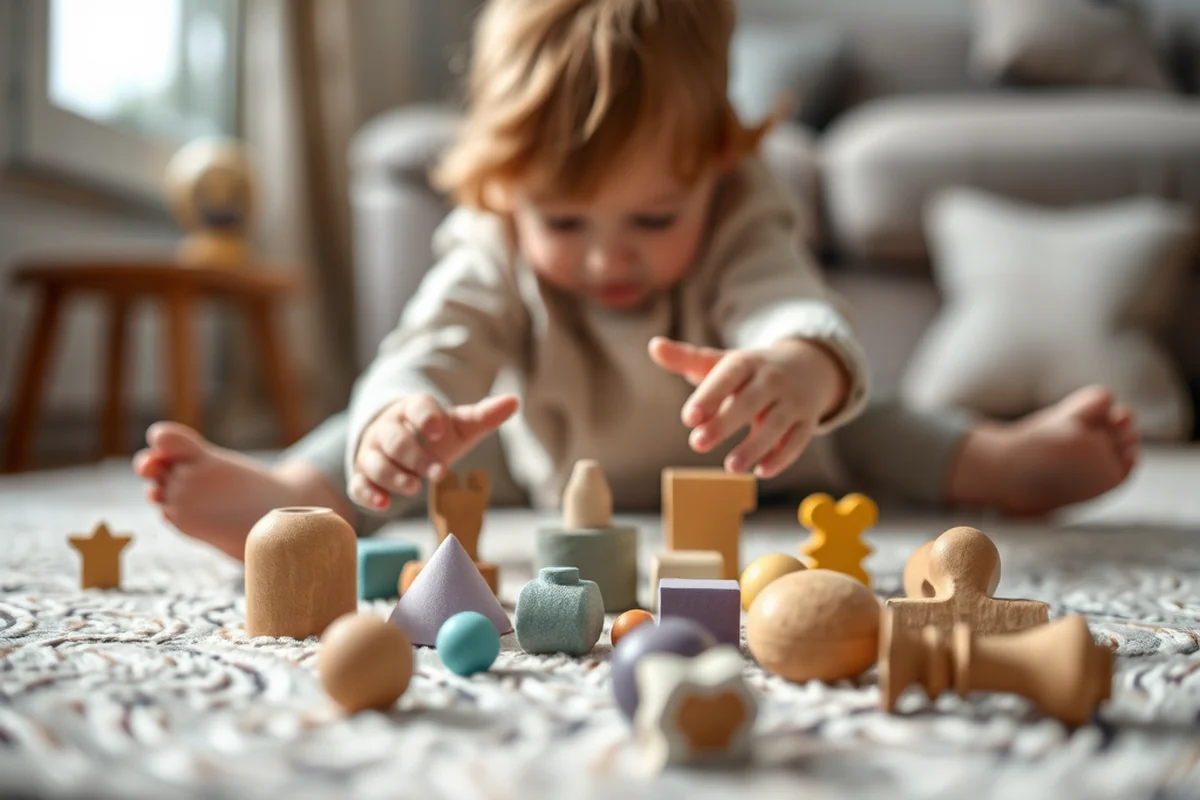
When I started incorporating word play into our daily routine, I noticed a significant improvement in my child's vocabulary. He began to use more complex words and started asking questions that showed a deeper understanding of language. Word play helps children grasp the connections between words and their meanings, which is essential for building strong language skills.
One of the most rewarding parts of word play is seeing how it can help children express themselves more clearly. I've seen my child use words in new and unexpected ways during conversations, which shows that he's not only learning the words but also understanding how to use them effectively.
I've also noticed that word play helps children develop their listening skills. When we play word games, I'm constantly asking my child to listen carefully and think about the words he hears. This not only helps him understand the language better but also improves his ability to focus and pay attention.
Word play is a fun way to help your child build confidence and express themselves more clearly.
Related: Budget play based learning activities
Creative Ways to Practice Word Play
One of the easiest and most effective ways to practice word play is through storytelling. I often ask my child to make up a story using a specific set of words or to continue a story that I started. This not only helps him develop his vocabulary but also encourages him to think creatively and come up with original ideas.
Another fun activity is playing with rhyming words. I've found that this helps my child understand the structure of words and how they can be combined to create new words. We often play a game where we take turns thinking of words that rhyme with a given word, and it's amazing how quickly he starts to come up with more complex rhymes.
I've also used word play to help my child learn about different parts of speech. We play a game where we take turns identifying the parts of speech in a sentence and then using them to create our own sentences. This helps him understand how words work together to form complete thoughts.
You don't need special tools to practice word play. Everyday objects, like blocks or toys, can be used to help your child learn and explore new words in a fun and engaging way.
“I remember the first time my 3-year-old son asked me, 'What is a word play?' as he stood in the kitchen, holding a blue block…”— Playschooled editors
Related: Cheap game based learning
Word Play for Different Ages
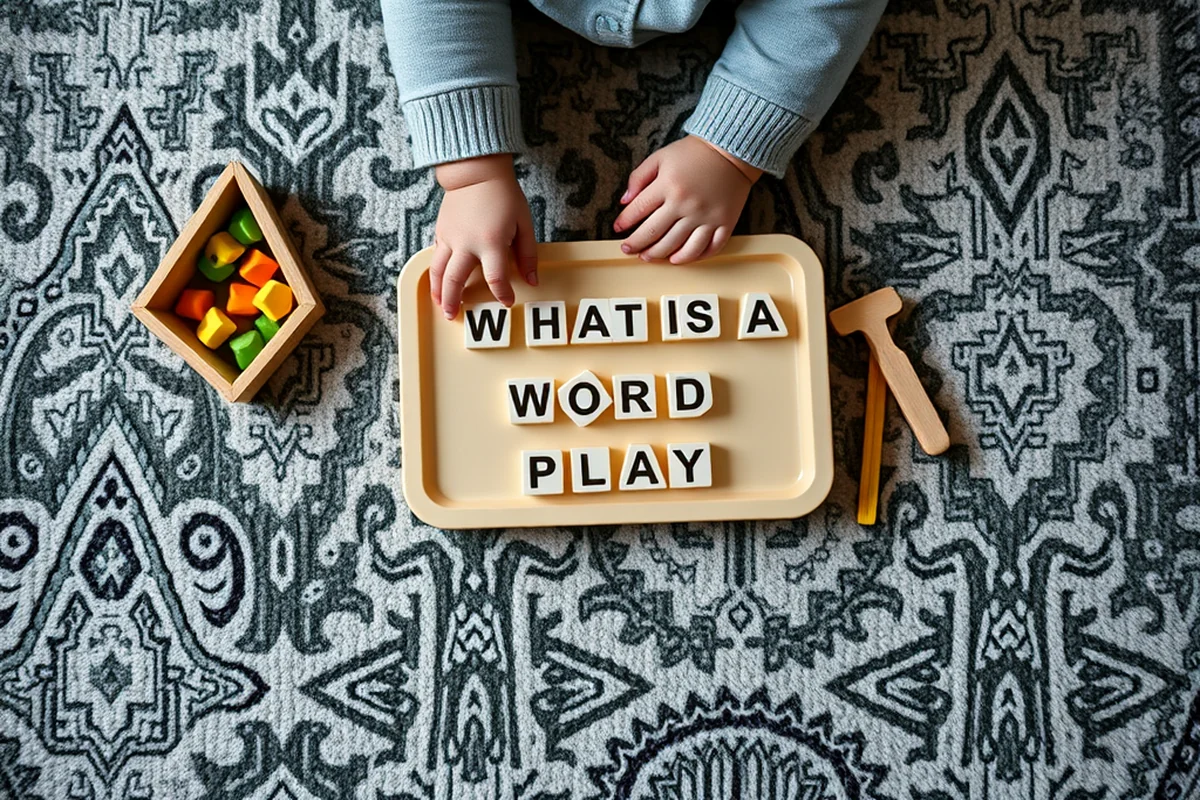
For toddlers, word play can be as simple as pointing out objects and naming them. I often use this technique during our daily routines, like bath time or mealtime, to help my child learn new words and understand their meanings. It's amazing how quickly he starts to recognize and use new words when they're introduced in a fun and engaging way.
As children grow, they can be introduced to more complex word play activities. For example, we play a game where we take turns creating sentences using a set of words. This helps my child develop his vocabulary and understand how words can be used to express different ideas.
I've found that word play is especially effective when it's tailored to a child's interests. For example, if my child is fascinated by animals, we play a game where we name different animals and describe their characteristics. This not only helps him learn new words but also encourages him to think about the world around him in a more detailed way.
Related: Play based learning activities
Word Play and Cognitive Development
One of the most surprising things I've noticed about word play is how it helps children develop their problem-solving skills. When we play word games, I often ask my child to think about how to solve a problem using the words we've learned. This not only helps him understand the language better but also improves his ability to think logically.
I've also seen how word play helps children develop their ability to think critically. For example, when we play a game where we have to find the right word to complete a sentence, I've noticed that my child starts to think more carefully about the meaning of words and how they can be used in different contexts.
Another benefit of word play is that it helps children develop their memory. I've noticed that my child is able to remember more words and use them in different ways as he continues to engage in word play activities. This is especially helpful with learning new vocabulary and understanding more complex language concepts.
Related: How to make the play doh
The Benefits of Word Play for Preschoolers
One of the most significant benefits of word play for preschoolers is that it helps them develop their language skills. I've noticed that my child is able to use more complex words and express his thoughts more clearly after engaging in word play activities. This not only helps him communicate better but also makes him feel more confident in his abilities.
I've also seen how word play helps preschoolers develop their creativity. When we play word games, my child often comes up with new and unexpected ideas that show his ability to think creatively. This is especially important during the early years when children are learning to explore and express themselves in new ways.
Another benefit of word play for preschoolers is that it helps them develop their social skills. When we play word games, my child often interacts with other children and learns how to take turns, listen carefully, and think about the words he hears. This helps him develop important social skills that will serve him well throughout his life.
Word play helps preschoolers develop language skills, creativity, and social abilities in a fun and engaging way.
Related: What is play park
Word Play for Older Children
For older children, word play can be used to help them develop their language skills in more complex ways. I've noticed that my child is able to use more sophisticated vocabulary and understand more complex sentence structures after engaging in word play activities. This not only helps him communicate better but also makes him feel more confident in his abilities.
I've also seen how word play helps older children develop their critical thinking skills. When we play word games, my child often has to think about the meaning of words and how they can be used in different contexts. This helps him develop a deeper understanding of language and how it works.
Another benefit of word play for older children is that it helps them develop their creativity. When we play word games, my child often comes up with new and unexpected ideas that show his ability to think creatively. This is especially important during the early years when children are learning to explore and express themselves in new ways.
🌱 Gentle Word Play
Ideal for younger children or those who need a slower, more relaxed approach to learning. Focuses on simple vocabulary and short, easy-to-follow activities.
⚡ Fast-Track Word Play
Perfect for older children or those who are ready for more complex challenges. Includes advanced vocabulary and multi-step activities to keep them engaged.
✈️ Travel Word Play
Designed for on-the-go learning. Includes activities that can be done anywhere, from a car ride to a waiting room, using everyday objects and conversations.
👯♀️ Word Play for Multiples
Tailored for families with multiple children. Includes activities that can be done with all children at the same time, helping them learn together and interact with each other.
🔄 Regression Reset Word Play
Designed for children who are struggling with language development. Focuses on reinforcing basic vocabulary and building confidence through simple, repetitive activities.
| The mistake | Why it happens | The fix |
|---|---|---|
| Making word play too complicated for young children. | Young children may become frustrated or disinterested if the activities are too complex or difficult to understand. | Keep activities simple and age-appropriate. Use basic vocabulary and short, easy-to-follow instructions to ensure that your child can engage and enjoy the experience. |
| Not engaging in word play regularly. | Word play is most effective when it's used regularly and consistently. If it's only done occasionally, your child may not see the full benefits of the activity. | Incorporate word play into your daily routine by using it during meals, car rides, or quiet moments at home. Make it a regular part of your child's learning experience. |
| Focusing only on vocabulary and neglecting other language skills. | Word play should be used to develop a range of language skills, including listening, speaking, and thinking. If the focus is only on vocabulary, your child may not develop other important language skills. | Use a variety of word play activities that help develop different language skills. For example, include activities that encourage your child to listen carefully, think critically, and express himself clearly. |
| Not adapting word play to your child's interests. | If word play is not adapted to your child's interests, he may become disinterested or disengaged. It's important to make the activities fun and relevant to your child's life. | Tailor word play activities to your child's interests by using words and themes that he enjoys. This helps keep him engaged and makes the learning experience more enjoyable. |
What Is A Word Play
Common Questions
How can I incorporate word play into our daily routine?
What are some simple word play activities for young children?
How can I make word play more challenging for older children?
Can word play be used to help children with language delays?
References
- Importance of Play in Early Childhood | HeadStart.gov (headstart.gov)
- New York State Early Learning Guidelines (ccf.ny.gov)
Cite this guide
Playschooled (2026). What Is A Word Play. https://playschooled.com/what-is-a-word-play/
Feel free to cite or share this guide.