
Learning to Play Piano: When to Start and How to Make It Fun

📖 Table of Contents
I remember the first time my daughter sat at the piano bench. She was six, and her small hands hovered over the keys like they might disappear if she touched them. I had spent months trying to decide if learning to play piano was the right choice for our family. Now, as she tentatively pressed a C major chord, I knew we had made the right decision. Learning to play piano isn’t just about mastering an instrument — it's about nurturing patience, creativity, and discipline in our kids, all while building a lifelong love for music.
When we first brought the piano home, it took us three days to figure out where to put it. It was a big, bulky thing, and my husband and I debated whether it would fit in our living room or if we should go for a digital keyboard instead. In the end, we went with the upright piano, and the decision paid off. Now, two years later, our daughter practices for 20 minutes every day, and I can see the way her confidence grows with each note she plays. Learning to play piano is more than just a hobby — it’s a gift that keeps on giving.
I’ve seen the way learning to play piano has changed my child. She used to be shy and hesitant, but now she walks into rooms with her head held high, often humming a tune or even playing a short piece on the spot. There’s something magical about the way music can transform a child — and learning to play piano is one of the most powerful ways to unlock that transformation. Whether your child is six or twelve, starting now can create ripples of confidence and joy that last a lifetime.
Why You'll Love This Journey
- Your child will develop discipline and focus through consistent practice.
- They’ll gain a deeper appreciation for music and creativity.
- Learning to play piano can boost cognitive development and emotional intelligence.
- It’s a skill that will last a lifetime and can be shared with family and friends.
The Right Age to Start
As of November 2026, I started my daughter at six, and it was the perfect time. She had just finished kindergarten and had the energy and curiosity to explore a new hobby. If you start too early, the child might not have the focus to practice consistently. If you start too late, they might miss out on the developmental benefits of learning an instrument at a young age.
I’ve spoken with other parents who started their kids at four and found it a bit too challenging. The child’s fingers are still developing, and they often struggle to press the right keys. However, if your child is naturally curious and has a strong interest in music, they might be ready to start earlier.
I recommend waiting until your child is at least five, but if they show an early interest in music, don’t hesitate to explore. The key is to make the experience fun and engaging from the start.[1]
If you're unsure about the right time to start, invest in a small keyboard. It’s less intimidating and allows your child to experiment without the pressure of a full-sized piano.
Part of our Play based learning guide.
Choosing the Right Teacher
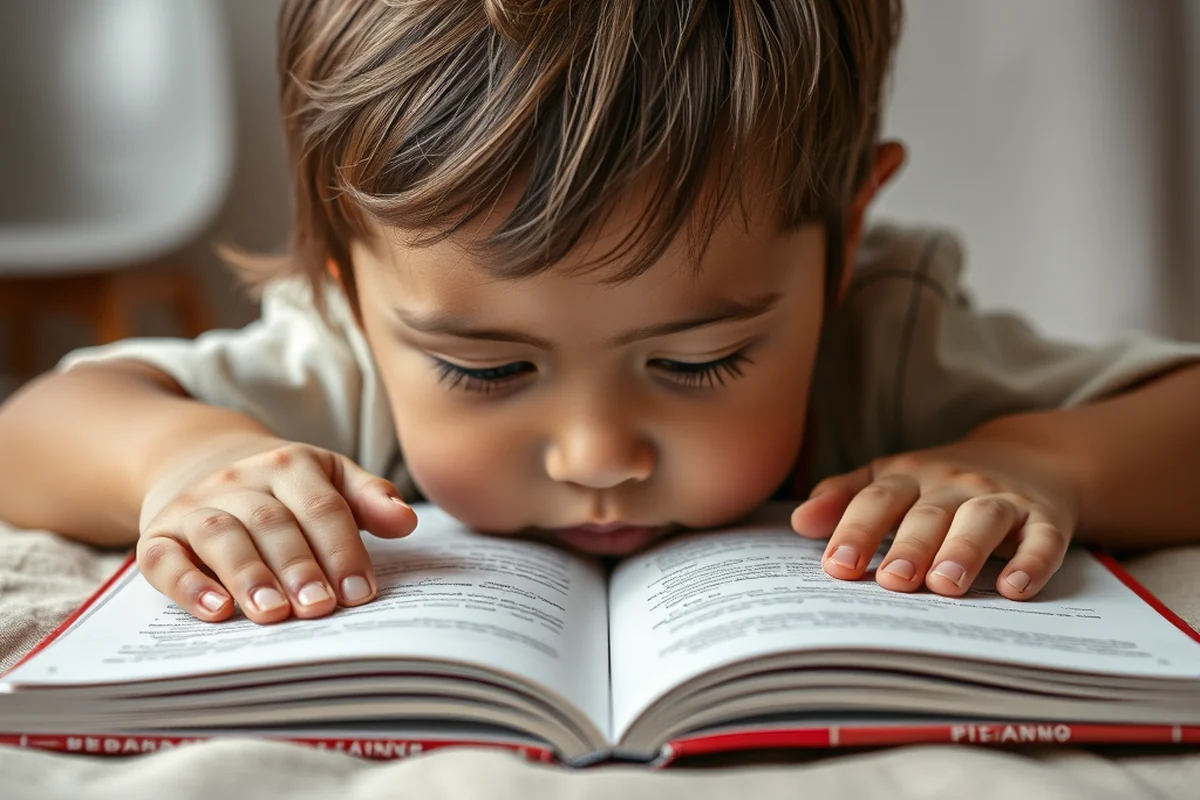
We took our daughter to three different teachers before finding the right fit. The first one was too strict, and she would cry after every lesson. The second one was too casual, and she wasn’t making any progress. The third one was just right — she made learning fun and encouraged our daughter to explore her creativity.
I’ve noticed that a good teacher has a way of making even the most complicated pieces feel like a game. They know how to break things down into small, manageable steps and make the process enjoyable.
When choosing a teacher, I recommend asking for references and attending a few trial lessons. It’s important to find someone who can connect with your child and help them reach their full potential.
A good teacher doesn’t just teach music — they teach confidence.
Related: Beginner play based learning activities
Setting Realistic Goals
Our daughter started with the goal of learning to play a simple song like 'Twinkle Twinkle Little Star' in two weeks. It was a small goal, but it helped her stay motivated and see progress quickly. We also set a goal to practice every day for 20 minutes, which became a part of her daily routine.[2]
I’ve learned that setting unrealistic goals can be discouraging. If your child is trying to learn a complex piece and it takes weeks to master, they might lose interest. It’s important to break things down into small, achievable steps and celebrate their progress along the way.
I recommend setting goals that are specific and measurable. For example, instead of saying 'learn to play piano well,' say 'learn to play a simple song in one month.' This gives your child a clear direction and a sense of accomplishment.
Create a simple progress chart to track your child’s achievements. It can be as simple as a calendar with stickers for each completed practice session or a wall chart with stars for each milestone reached.
“I remember the first time my daughter sat at the piano bench.”— Playschooled editors
Related: What is a play school
Making Practice Fun
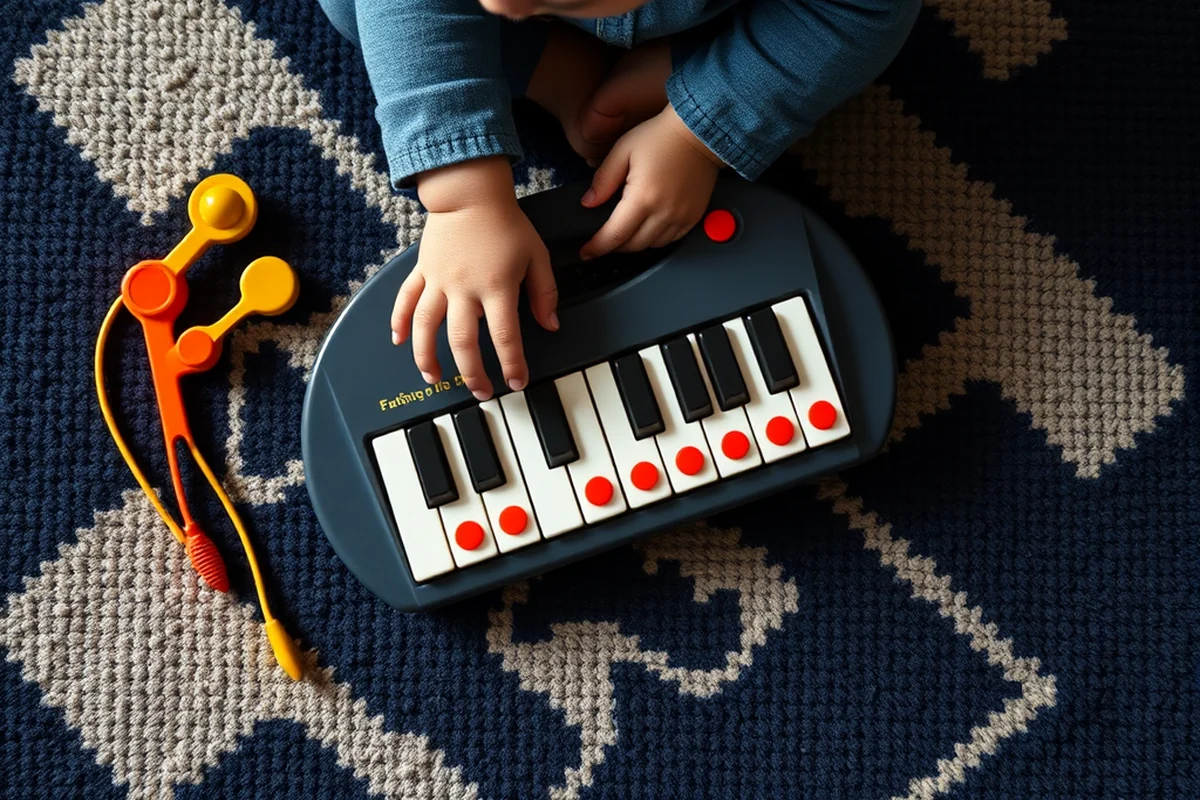
We turned practice time into a game. For example, we would race to see who could play a song faster, or we would set a timer and see how many songs your daughter could play in one minute. This kept the practice time exciting and motivating.
I’ve noticed that when the practice time becomes fun, your child is more likely to stay on task and complete their practice sessions. It’s important to find ways to make the process enjoyable and engaging.
I recommend incorporating music into other parts of your child’s day. For example, you can play their favorite songs as background music while they’re eating or doing homework. This helps reinforce the connection between music and their daily activities.
Related: Play based curriculum in early childhood
The Importance of Consistency
Our daughter practices for 20 minutes every day, and it has made a huge difference in her progress. She has developed the muscle memory needed to play complex pieces and has improved her coordination and timing.
I’ve seen the difference between children who practice consistently and those who only practice occasionally. The ones who practice every day are more confident and have a better grasp of the material.
I recommend setting a daily practice time and making it a part of your child’s routine. This helps them develop a habit and makes the process easier in the long run.
Related: Brain training word games
Encouraging Creativity
I’ve noticed that when my daughter is given the freedom to explore and create, she becomes more engaged and excited about playing. She often improvises and creates her own little songs, which is a sign of creativity and self-expression.
It’s important to encourage your child to experiment with different styles of music and to find their own voice. This helps them develop a deeper connection to the instrument and to music in general.
I recommend giving your child the opportunity to compose their own pieces and to play music that they enjoy. This helps them develop a love for music that will last a lifetime.
Creativity is the soul of music.
Related: Legends of learning game
Dealing with Setbacks
There were times when my daughter would get frustrated and give up on a piece. I would sit with her and help her break it down into smaller parts. I would remind her that it’s okay to make mistakes and that every challenge is an opportunity to learn.
I’ve learned that setbacks are a natural part of the learning process. It’s important to be patient and to encourage your child to keep going, even when they face difficulties.
I recommend creating a safe and supportive environment where your child feels comfortable making mistakes and trying new things. This helps them build resilience and perseverance.
🎹 Gentle Start
A relaxed, low-pressure approach to learning to play piano, perfect for children who are just beginning to explore music.
🚀 Fast-Track
A structured and intensive approach to learning to play piano, ideal for children who are highly motivated and eager to progress quickly.
✈️ Travel/Family-Friendly
A flexible approach that works well for families who are often on the go or traveling, with options for online lessons and portable instruments.
👶 For Multiples
A tailored approach for families with multiple children, allowing siblings to learn at their own pace and share the experience.
🔄 Regression Reset
A method for children who have taken a break from learning to play piano and are ready to get back on track.
| The mistake | Why it happens | The fix |
|---|---|---|
| Starting too early or too late | Starting too early may overwhelm the child, while starting too late might make it harder to develop the necessary skills at a young age. | Find the right time to start based on your child’s interest and readiness. Five is a good age, but if your child is naturally curious and excited about music, they may be ready earlier. |
| Not setting clear goals | Without clear goals, your child may lose focus and not see progress, leading to frustration and disinterest. | Set specific, achievable goals and celebrate your child’s successes. This helps keep them motivated and on track. |
| Making practice feel like a chore | If practice time is not fun, your child may become resistant and lose interest in learning to play piano. | Make practice time engaging by turning it into a game or incorporating music into their daily routine. |
| Not being patient | Learning to play piano takes time, and being impatient can discourage your child and make the process more stressful. | Be patient and support your child through every challenge. Encourage them to keep going, even when they face difficulties. |
Learning To Play Piano
Common Questions
At what age should my child start learning to play piano?
How long should my child practice each day?
What if my child loses interest in learning to play piano?
How can I encourage my child to practice regularly?
References
- Music in the Classroom: Its Influence on Children's Brain ... - ERIC (files.eric.ed.gov)
- Updating Age Determination Guidelines for Toys (cpsc.gov)
Cite this guide
Playschooled (2026). Learning to Play Piano: When to Start and How to Make It Fun. https://playschooled.com/learning-to-play-piano/
Feel free to cite or share this guide.